New Greek tankers join Russia’s “shadow fleet” for the first time
22.01.2026 - 11:10
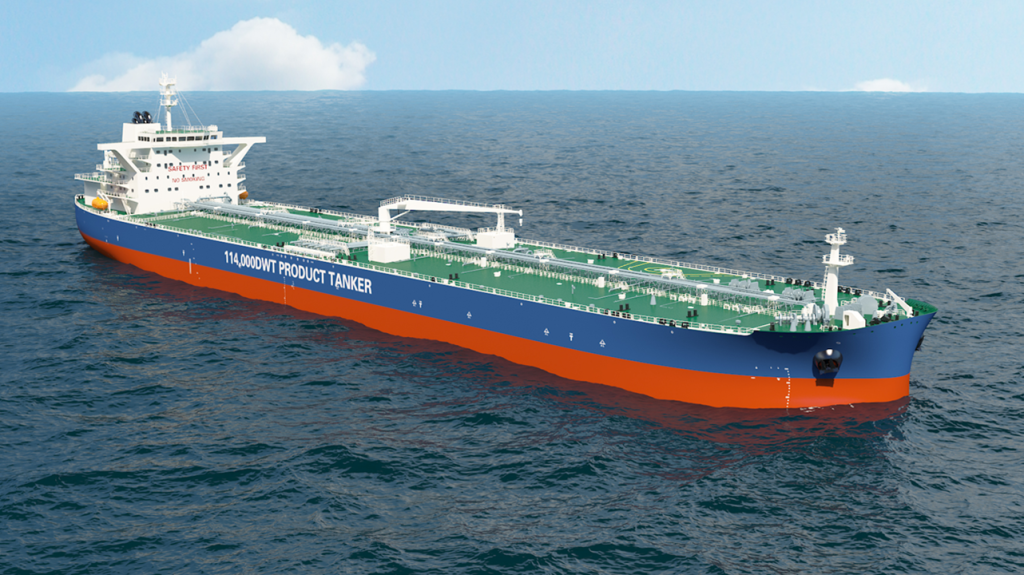
Despite reputational risks and insurance restrictions, the profitability of the voyages was sufficient for two large Greek companies to take this step.
The shortage of vessels after US and EU sanctions against the Russian “shadow fleet” led to a jump in rates for the transportation of Russian oil. Bloomberg reports.
According to Argus Media, the Urals route from Primorsk to the west coast of India has risen in price to over $60/t — a two-year high (about $25/t at the beginning of 2025).
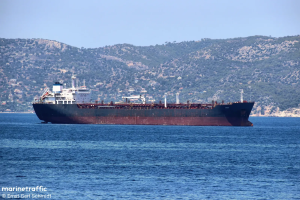
Against this background, Dynacom Tankers Management and Capital Ship Management have used their new vessels to transport Russian oil. This is an atypical step for the “shadow” segment, where tankers that have exhausted their regulatory resource usually operate.
The tanker Argeus I (Capital) delivered over 700,000 barrels of Urals to the Indian port of Paradip for the first time. From the Dynacom fleet, Rodos delivered cargo to China, and Samothraki to Vadinar, India in December. The company previously transported Russian oil, but mostly on older ships.
Formally, transportation is possible if the price does not exceed the established “price ceiling”, but companies that agree to transport Rosneft according to the established rules do not have support from Western services (primarily insurance). Fear of sanctions restrained “white” tonnage, but the deep discount of Urals created a “buffer” and a tangible financial incentive for some players. According to Athenian brokers, the current risk-reward ratio continues to push owners to enter the Russian trade.
Also, the day before, USM wrote that the Russian Federation is circumventing sanctions to obtain spare parts for the sanctioned fleet.