Analytics
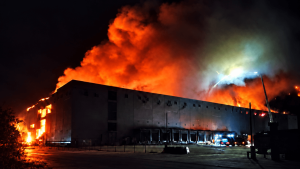
A backup route without a backup warehouse model is only half of a plan B
USM tells how Ukrainian business is restructuring warehouse and transport logistics, why one backup route is no longer enough and how the war forces to simultaneously diversify stocks, ports and delivery methods.

Logistics from the inside. How a logistics company is currently building processes using the example of Marine Service Ukraine
At the backdrop of the suspension of the ports of Great Odesa, the logistics market is undergoing a large-scale restructuring: business is adapting, taking into account risks, looking for new ways of export-import and at the same time trying to keep delivery times and costs acceptable to customers.
USM talks about the current challenges and thoughts of the Ukrainian logistics sector using the example of Marine Service Ukraine, which provides comprehensive customs brokerage and forwarding services. Read below to find out what MSU Executive Director Tetyana Shevchuk said about logistics from the inside in these chaotic times.
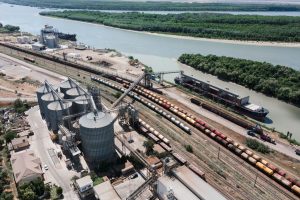
Tariffs in Moldova. Why discounts on railway tariffs for the transit of Ukrainian cargo will have a positive impact on exports
After increasing risks for sea exports, Ukraine is again actively looking for alternative routes for cargo. One of these directions was railway transit through Moldova, where the local railway agreed to a 50% discount on the transportation of Ukrainian goods until the end of 2026.
In the text, USM, together with TEUS owner and director Dmytro Kazanin, explains why this decision is important for exports and imports and how it can change logistics through Reni, Izmail, Giurgiulesti and Romanian ports.

Changing the port of unloading to Constanta: procedure for the importer
After the suspension of container lines to the ports of Great Odesa, some of the cargo destined for Ukraine began to be redirected to Constanta, Romania. For importers, this means additional paperwork, new port costs and the need to organize the delivery of the container to Ukraine.
Founder and CEO of SafeLogic Oleksandr Tsurkan explains what to do after being notified of a change in the port of discharge and what costs and delays to consider.

Return in 2022: what will happen to Ukraine’s exports if shipping in Great Odesa remains suspended
In an article for USM, GOL Commercial Director Volodymyr Guz and GOL CEO Pavlo Linnyk explain why land logistics cannot fully replace sea exports and what alternative routes businesses are looking for. Just a month ago, Ukrainian sea exports were perceived as one of the few stories of stability in wartime. After the opening of…
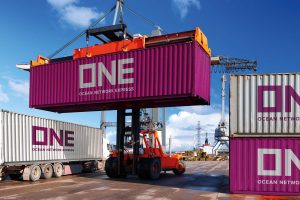
How ONE works with Ukrainian cargo without calling at ports: a blitz interview with a representative of the line’s agent
Despite the intensification of Russian attacks on the ports of Great Odesa, container logistics, although it has encountered its own difficulties, has not stopped: Ukrainian cargo continues to be served through European hubs, land routes and dry ports.
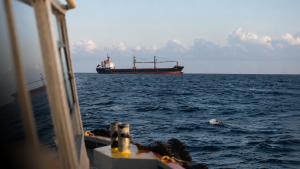
Suspension of the ports of Great Odesa. What to expect and how market participants are adapting
After the intensification of Russian shelling of the port and logistics infrastructure of the Odesa region, the work of the ports of Great Odesa has virtually stopped. Some shipowners have suspended operations to Ukrainian ports, and business has once again found itself in a situation where it is necessary to assess the direct risks to vessels, crews and cargo – and quickly look for alternative solutions.
USM has prepared a detailed material on what such a suspension could mean for Ukrainian exports, the freight market, insurance brokers, farmers, port operators and shipowners. Together with business and experts, we analyze how critical the current situation is, how to adapt logistics in the coming weeks and what will happen to the sea corridor in the event of further attacks by the Russian Federation.

How the delay in fertilizer supplies through the Strait of Hormuz will affect Ukraine
or Ukraine, which remains one of the world’s largest agricultural exporters and at the same time depends on the import of part of nitrogen and phosphate fertilizers, possible disruptions in the operation of the strait mean not only the risk of rising product prices, but also a potential impact on future yields and the cost of crop production.
USM continues to analyze how events in the Strait of Hormuz affect logistics and prices in Ukraine. This time — to what extent the Ukrainian market depends on supplies through the Strait of Hormuz and what consequences may arise for the agricultural sector, as well as how critical the experts see the situation.

Crisis is inevitable: how events in the Strait of Hormuz affect logistics and prices in Ukraine
The Strait of Hormuz is thousands of kilometers from Ukraine, but its crisis is already being felt by Black Sea freight. USM gathered the opinions of Ukrainian experts in the field of shipping and logistics to find out how events in the Middle East affect Ukraine.

“There must be a plan B and C”: how logistics planning has changed in Ukraine. Interview with Henri Petrosyan, Director of LUKRO
USM spoke with Henri Petrosyan, director of the logistics company LUKRO, about how Ukrainian logistics has gone from collapse to adaptation, how approaches to transportation planning have changed, how political decisions affect routes, and what role practical experience plays in this.