

A backup route without a backup warehouse model is only half of a plan B
USM tells how Ukrainian business is restructuring warehouse and transport logistics, why one backup route is no longer enough and how the war forces to simultaneously diversify stocks, ports and delivery methods.
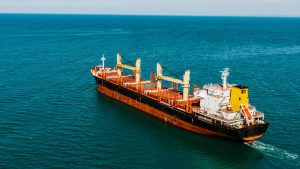
Almost the entire Black Sea has become a military risk zone: how will this change the cost of shipping?
Almost the entire Black Sea has been placed within the Joint War Committee’s expanded military risk zone. For shipowners, this means longer periods of additional insurance coverage, and for cargo owners, a potential increase in freight and logistics costs.
USM spoke to market participants about how much the new risks will cost and how they could change Black Sea and Danube logistics.

Logistics from the inside. How a logistics company is currently building processes using the example of Marine Service Ukraine
At the backdrop of the suspension of the ports of Great Odesa, the logistics market is undergoing a large-scale restructuring: business is adapting, taking into account risks, looking for new ways of export-import and at the same time trying to keep delivery times and costs acceptable to customers.
USM talks about the current challenges and thoughts of the Ukrainian logistics sector using the example of Marine Service Ukraine, which provides comprehensive customs brokerage and forwarding services. Read below to find out what MSU Executive Director Tetyana Shevchuk said about logistics from the inside in these chaotic times.

How the Russian Federation is forming a fleet to export Ukrainian grain. Interview with journalist Kateryna Yaresko of the SeaKrime project
During the years of occupation, Russia has formed a stable system for exporting stolen Ukrainian grain: the same ships that regularly enter closed ports, shell companies, fake documents about the origin of the cargo, as well as buyers willing to work with “toxic” grain.
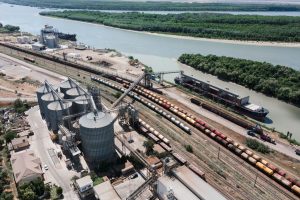
Tariffs in Moldova. Why discounts on railway tariffs for the transit of Ukrainian cargo will have a positive impact on exports
After increasing risks for sea exports, Ukraine is again actively looking for alternative routes for cargo. One of these directions was railway transit through Moldova, where the local railway agreed to a 50% discount on the transportation of Ukrainian goods until the end of 2026.
In the text, USM, together with TEUS owner and director Dmytro Kazanin, explains why this decision is important for exports and imports and how it can change logistics through Reni, Izmail, Giurgiulesti and Romanian ports.
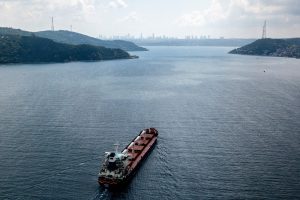
New risk. Can Turkey affect exports from the ports of Great Odesa?
After the Russian Federation intensified its attacks on Ukrainian ports and civilian vessels, Ankara has shown that it is ready to use control of the Bosphorus and Dardanelles as leverage.
For Ukrainian exports, this means a new risk premium – even before the straits are actually closed. USM spoke with experts in the maritime and agricultural industries to find out how Turkey’s decision could affect shipping and the freight market.












 New transshipment complex in Pivdennyi. An investment near miss? 10.09.2022 – 19:30
  A small step or a victory: will the opening of the of the Bystre estuary affect grain exports? 15.07.2022 – 18:50
  The Butterfly Effect: How the russian invasion changed the gas carrier market 4.05.2023 – 16:00
  Will the port of Skadovsk survive? 7.09.2021 – 14:45
  Tankers will be in demand for many years to come – Gibson Shipbrokers 26.04.2021 – 12:00


