Greece and Malta oppose a complete EU ban on Russian oil transportation services
11.02.2026 - 13:05
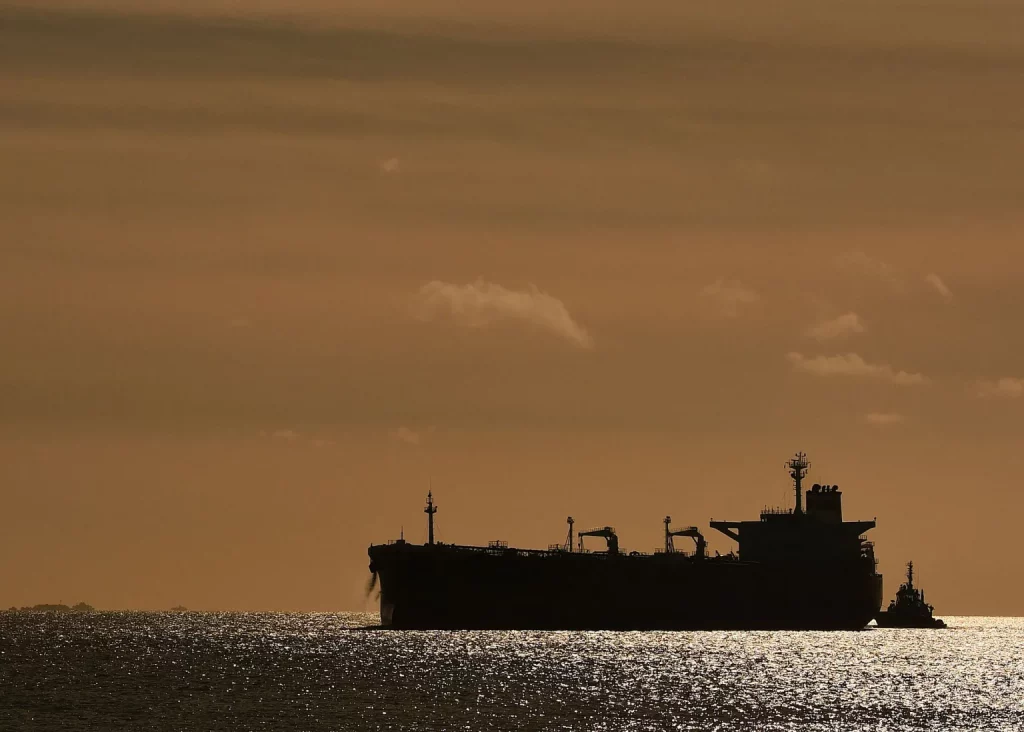
Athens and Valletta fear that replacing the “price ceiling” mechanism with a complete ban on maritime and insurance services could hit shipping.
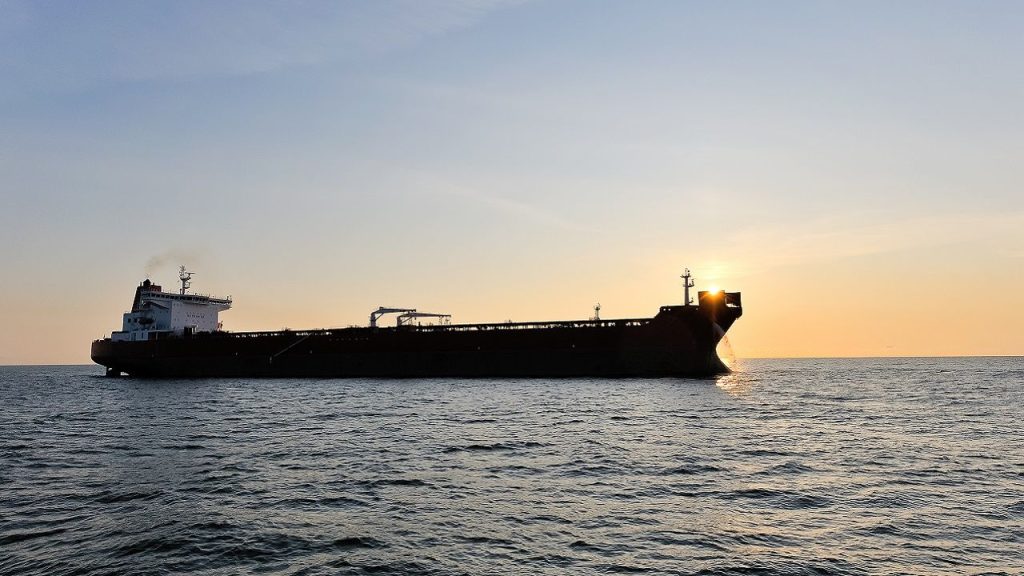
Greece and Malta have become the main opponents of the EU’s proposal to replace the current price cap on Russian oil with a complete ban on services needed to transport it, Bloomberg reports.
The initiative is part of the 20th package of EU sanctions against Moscow for its full-scale invasion of Ukraine. It was proposed by the European Commission. It is about replacing the “price ceiling” mechanism introduced by the G7 countries at the end of 2022 with a complete ban on insurance and transport services that ensure the maritime transportation of Russian oil.
According to the agency, during a meeting of EU ambassadors, Greece and Malta expressed concern that the new approach could allegedly negatively affect the European shipping industry, provoke an increase in energy prices, and create additional risks for companies operating in the field of maritime transportation.
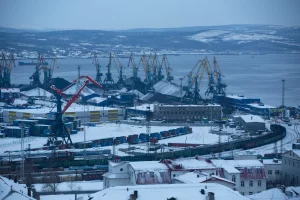
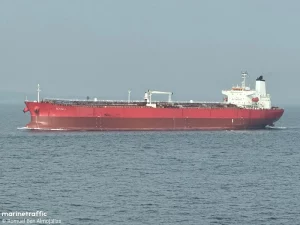
Both countries also asked for clarifications on plans to sanction foreign ports for transshipment of Russian oil and to strengthen control over the sale of vessels in order to limit the replenishment of the so-called “shadow fleet” of the Russian Federation.
Greece is traditionally one of the largest ship-owning centers in Europe, and Malta is an important registry and jurisdiction for maritime companies. Therefore, potential restrictions directly affect their business.
The new model of sanctions involves a blow to insurers and carriers that ensure the transportation of Russian oil. In fact, this is an attempt to more radically limit the Kremlin’s oil revenues, which remain a key source of financing for the war.
However, the implementation of this initiative depends on the support of the G7 countries. The US position on the full replacement of the “price ceiling” has not yet been publicly defined.
It should be noted that the 20th package of sanctions also includes new export restrictions worth more than 360 million euros (in particular, on rubber and chemicals), bans on the import of certain metals, restrictions on cryptocurrency operators and banks in Central Asia and Laos, and the possibility of applying the anti-circumvention mechanism to third countries.
Brussels expects to complete work on the package by the end of February. At the same time, EU sanctions require unanimous support from all member states, and their final form may change during the approval process.
Also, the day before, USM reported that the EU may impose sanctions against the ports of Georgia and Indonesia for processing Russian oil.