Kalashnyk: Shipping through the ports of Great Odesa has effectively stopped since July 22
4.09.2026 - 10:45
Russian attacks have effectively stopped shipping through the ports of Great Odesa since July 22.
This was reported by the Minister for Development of Communities and Territorial Development of Ukraine Mykhailo Kalashnyk.
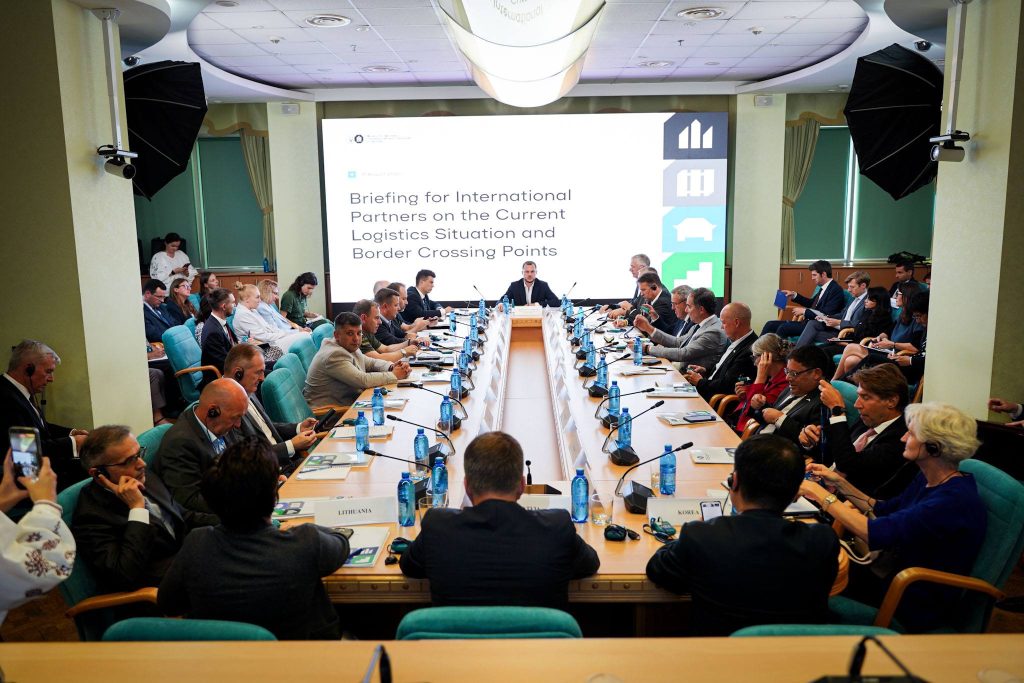
The Minister held a briefing for representatives of 27 countries and five international organizations on the security situation and the work of transport logistics in the face of increasing Russian attacks.
According to Kalashnyk, Russia is simultaneously attacking seaports, civilian vessels, railway and border infrastructure – in fact, all the main routes by which Ukraine provides exports, imports, passenger and freight transportation.
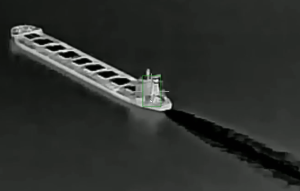
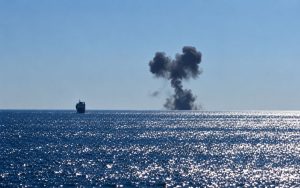
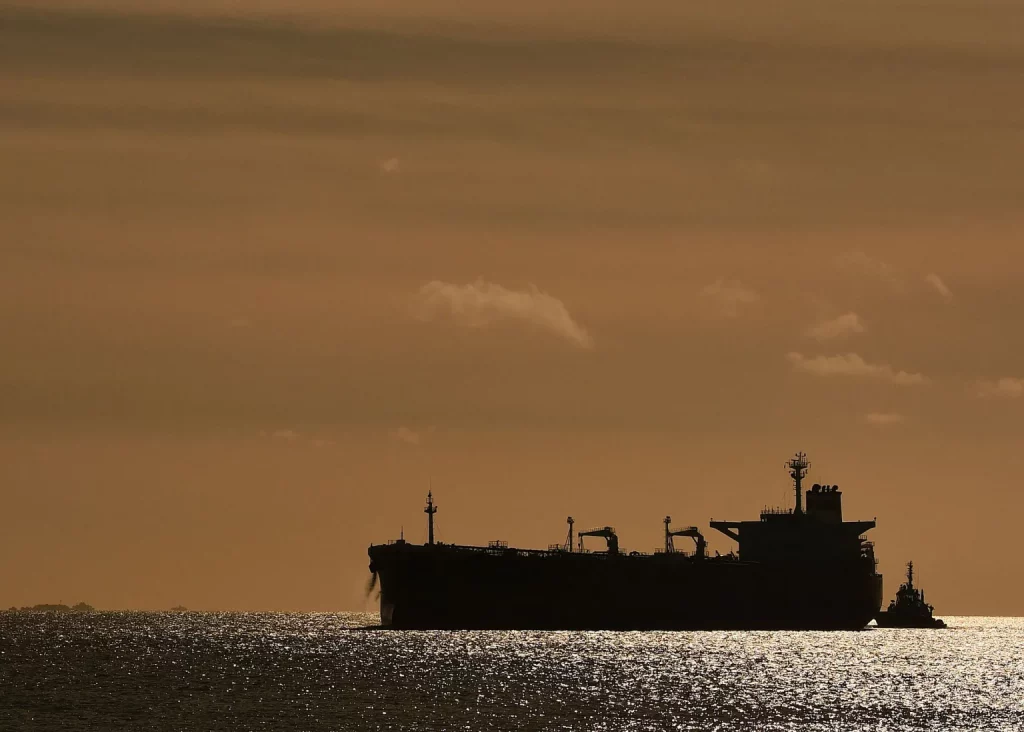
The situation at sea remains particularly difficult. According to the Minister, since July 22, shipping through the ports of Great Odesa has effectively stopped due to systematic attacks.
In 2026, 198 attacks were recorded on port infrastructure, 95 on vessels in ports and 69 on vessels in the sea corridor. In just one month, Russian troops attacked 28 civilian merchant ships in the ports of Great Odesa and near the coast.
The railway also remains under constant attack. Since the beginning of the full-scale invasion, 6,125 attacks on railway infrastructure have been recorded, of which more than 1,500 have been this year. 509 locomotives and 249 carriages have been damaged.
Despite this, Ukrzaliznytsia continues passenger and freight transportation.
Separately, Kalashnyk reported that Ukraine has appealed to international partners with a request to transfer locomotives to support the uninterrupted operation of the railway.
Over the past week, Russia has also attacked checkpoints in southern Ukraine four times. On the border with Moldova, the Vynohradivka-Vulcanesti checkpoint was damaged, the infrastructure of the Tabaki-Mirne checkpoint was completely destroyed, and the service area near Reni-Giurgiulesti was attacked, where trucks, including those of foreign carriers, were damaged.
On the border with Romania, the Orlivka-Isaccea checkpoint was hit.
According to Kalashnik, the checkpoints were restored to work in emergency mode within 24-48 hours after the attacks.
Now Ukraine plans to form a reserve of mobile infrastructure and equipment in advance, which can be quickly deployed to the damaged areas. In parallel, work is underway with neighboring countries to use the infrastructure of the adjacent side and quickly redirect transport flows.
Kalashnik also called on partners to join the newly created Transport Support Fund, which is administered by Lithuania.
Through this mechanism, partner countries will be able to direct contributions to specific transport sector needs, from equipment and mobile infrastructure to the restoration and resilience of the transport system.
According to the Minister, Russian attacks on Ukrainian logistics are already having direct consequences beyond Ukraine. These include foreign vessels in Ukrainian ports, foreign carriers at border crossings, cargo on European routes, and Ukrainian agricultural exports to over 55 countries around the world.
Ukraine, together with partners, is working to restore damaged infrastructure, build up a reserve of equipment, support the railways, and find alternative solutions to maintain transport connectivity.