Global maritime trade to stop growing in 2026 – UN
27.11.2026 - 16:52
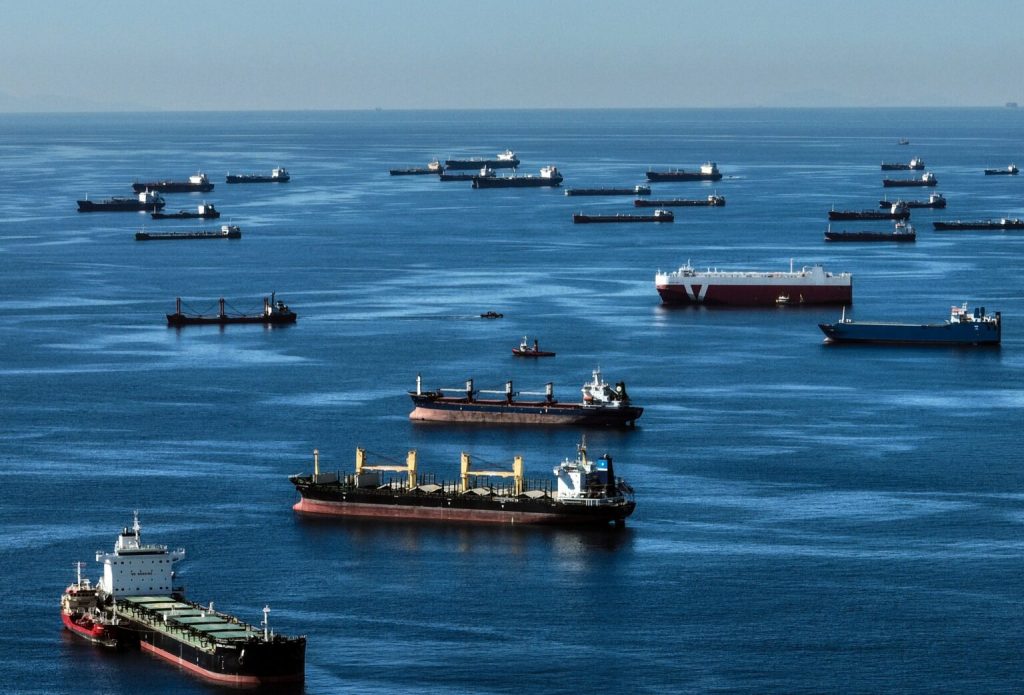
Global maritime trade volumes in 2026 will remain at the previous year’s level due to disruptions to key shipping routes and uncertainty in international trade.
This is stated in the annual report Review of Maritime Transport 2026 Review of Maritime Transport 2026 of the United Nations Conference on Trade and Development (UNCTAD), published on November 26.
According to the organization, in 2025, global maritime trade volumes reached 12.3 billion tons, an increase of 1.9%. For comparison, in 2024, growth was 3.9%.
In 2026, analysts predict zero dynamics, and in 2027 they expect growth to resume by 3.2%. At the same time, container traffic may increase by 3.3% this year.
Despite the stagnation of trade volumes, demand for maritime transport in tonne-miles will grow by 1.5%. This is due to the extension of the routes along which ships are forced to transport cargo due to shipping restrictions in certain regions.
In particular, the conflict in the Middle East has significantly limited the movement of ships through the Strait of Hormuz. According to UNCTAD, in early March 2026, shipping traffic in the strait by gross tonnage decreased by approximately 95% compared to normal levels.
At the same time, instability in the Red Sea is forcing many carriers to use a longer route around the Cape of Good Hope. Risks for grain transportation also persist in the Black Sea.
Disruptions to shipping lead to increased fuel costs, extended delivery times and fluctuations in freight rates.
In particular, spot rates for container transportation in the world more than doubled from January to August 2026. At the same time, freight rates for oil tankers on certain routes reached record levels.
UNCTAD emphasizes the need to develop alternative logistics routes, modernize port infrastructure and increase the resilience of transport chains to crises.
USM previously reported that due to instability in the Red Sea, carriers continue to use alternative routes to bypass the Suez Canal. Despite the decrease in the intensity of attacks, the shipping market has not returned to its pre-crisis model at the beginning of 2026.