BIMCO predicts growth in global grain shipments by sea
17.02.2026 - 13:24
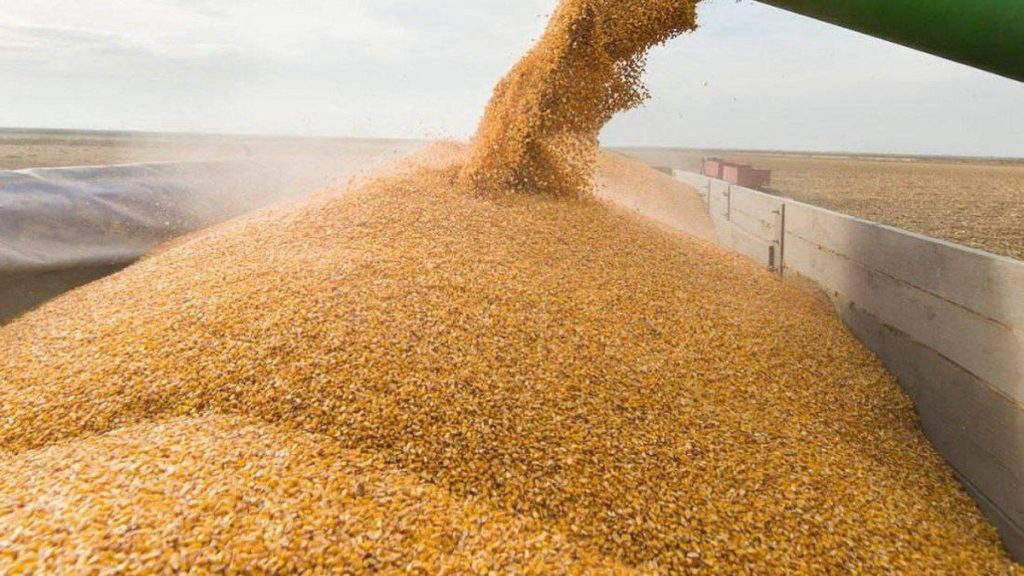
The key drivers were exports from South America, soybeans and wheat – and this is already supporting freight indices.
Seaborne agricultural trade in 2025 reached a new record – 716.5 million tons. Splash writes about this with reference to Ursa Shipbrokers.
The calculation is based on loading dates and covers all cargoes and types of bulk carriers. Compared to 2024 (711.5 million tons), the increase was 1%, or about 5 million tons.
Although the increase was relatively modest, it was enough to record a new maximum and continue the trend of the last decade, when annual declines occurred only twice – in 2018 and 2022.
In the first half of 2025, agricultural seaborne transport decreased by about 6% year-on-year. However, the second half saw a sharp recovery, with volumes up 7% y/y and 8% y/y, helping to stabilize the freight market after mid-year, particularly in the Supramax and Panamax segments.
The momentum continued into early 2026. January saw 57.1 million tonnes of cargo, up 8% y/y and the strongest January in almost a decade. The leaders were the East Coast of South America (+22% y/y) and the US Gulf of Mexico (+26% y/y).
Meanwhile, bulk grain shipments rose 15% y/y in the first six weeks of 2026, on the back of a 30% increase in soybean exports and a 17% increase in wheat.
BIMCO attributes this to record harvests in the Southern Hemisphere and trade factors: soybean production in Brazil is expected to reach 180 million tons this season (about 42% of world production), while wheat harvests in Argentina and Australia have increased.
BIMCO analysts expect that global grain supplies in 2026 could increase by 5-6% overall, but much will depend on harvest results in the Northern Hemisphere and corn production trends in Brazil.
USM reported the day before that agricultural products provided 56% of Ukraine’s exports in 2025, despite a decrease in the share.