British Navy chases Russian ship from mooring over undersea cables
30.01.2026 - 10:13
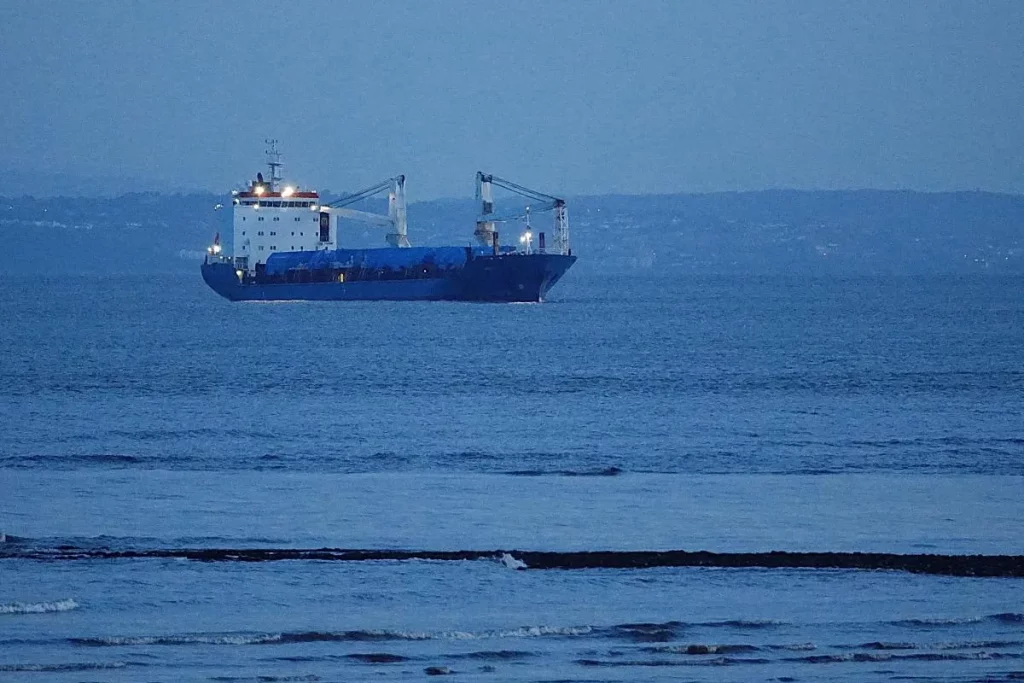
A Royal Navy Wildcat helicopter forced the cargo ship Synegorsk to weigh anchor and leave British waters.
The Synegorsk entered the Bristol Channel on the evening of January 27 and came to a stop about two nautical miles from Minehead, the Telegraph reports.
The berth is located next to five critical cables: two TGN lines (UK-New York), EXA Express (UK-Nova Scotia) and two VSNL Western Europe branches (UK-Spain/Portugal).
After a warning from the Ministry of Transport – the ship officially declared that it was “repairing for safety reasons” – an RN Wildcat helicopter (call sign Talon 1) took off from Yeovilton airbase on January 28 in the afternoon, and a Coastguard reconnaissance aircraft patrolled the area for about half an hour. The Russian crew weighed anchor and went to sea.
The Ministry of Defence stressed that the threat from the Russian Federation includes attempts to map and interfere with underwater infrastructure, and that the Royal Navy “is constantly protecting critical cables and facilities at sea”. At the same time, the “Sinegorsk” is not under direct British sanctions and is not formally classified as a “shadow fleet”.
The incident occurred against the backdrop of increased action against risky vessels. Earlier this month, British and French forces detained suspicious tankers in the Mediterranean, in December Finland arrested the crew of the Fitburg vessel after damaging the Helsinki-Tallinn cables, and in November the RN tracked the Russian “Yantar” in British waters, which the Ministry of Defence called a “spy ship”.
USM also previously wrote that the captain of the Fitburg vessel, which was detained after damaging an underwater cable, is involved in the transportation of weapons from Iran to Russia.