Capesize freight exceeds $40,000 per day: market grows amid tonnage shortage
4.12.2025 - 15:27
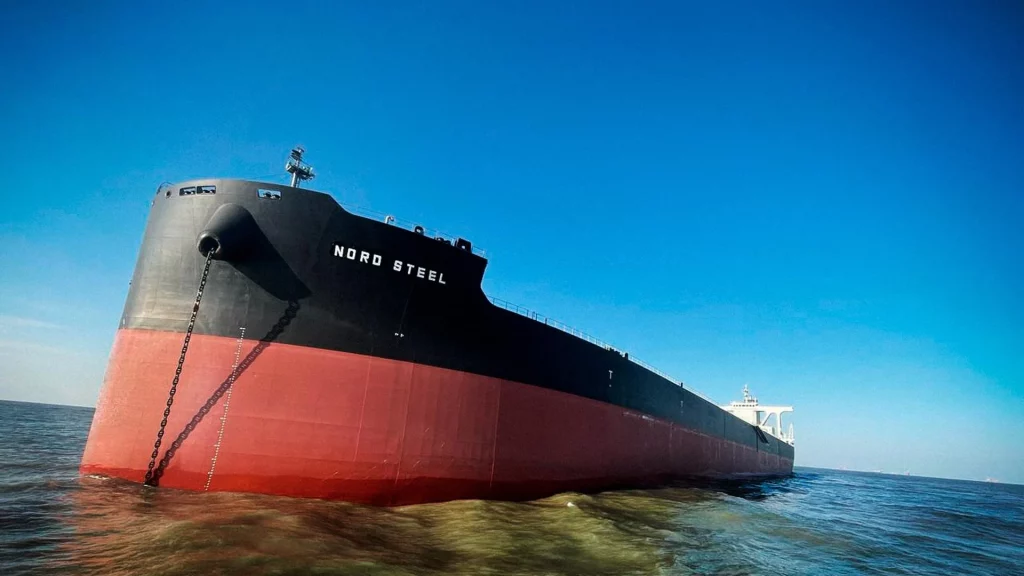
The highest rates in the last two years are due to the growth in demand for long-haul transportation of iron ore and bauxite in the face of a shortage of available vessels.
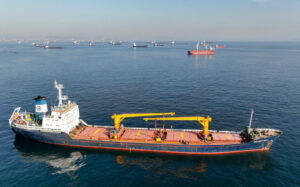
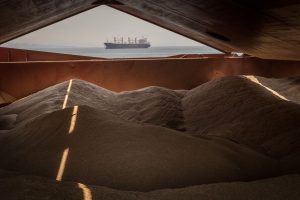
The market for transportation by “capsize” vessels — the largest dry bulk carriers for transporting iron ore and coal — is ending 2025 on the rise. Splash writes about this.
Spot freight rates exceeded $40,000 per day, and at some points reached almost $45,000. This is the highest level since 2021, despite the general slowdown in global steel production.
The main drivers of growth were the reduction of the fleet in key regions, particularly in Asia, and the activation of long routes, such as the supply of iron ore from Brazil and bauxite from West Africa. Capesize demand, according to Jefferies, grew by 8% in tonne-miles to November 2025, while fleet growth was only 2%.
Brokers at Fearnleys report a lack of ballast tonnage in December and a limited number of vessels in the Far East region. Meanwhile, pressure is also increasing in the North Atlantic: the reduction in the number of available vessels has already caused freight indices to rise.
West Africa has become a new powerhouse for Capesize cargoes: growing bauxite exports and the expected commissioning of the Simandou deposit in Guinea (up to 120 million tonnes of iron ore per year) only strengthen the region’s position. According to Jefferies, this could increase annual demand for Capesize shipping by 4-6% in 2026-2027.
Against this backdrop, Jefferies revised its freight rate forecast to:
• $27,500/day in 2026,
• $30,000/day in 2027,
• $32,500/day in 2028.
This is significantly higher than previous expectations ($22,500/day).
The analysts also point to a structural return of the market to a situation where large vessels are once again gaining an advantage over smaller bulkers – similar to how VLCC tankers have recently outperformed smaller classes in the oil segment.
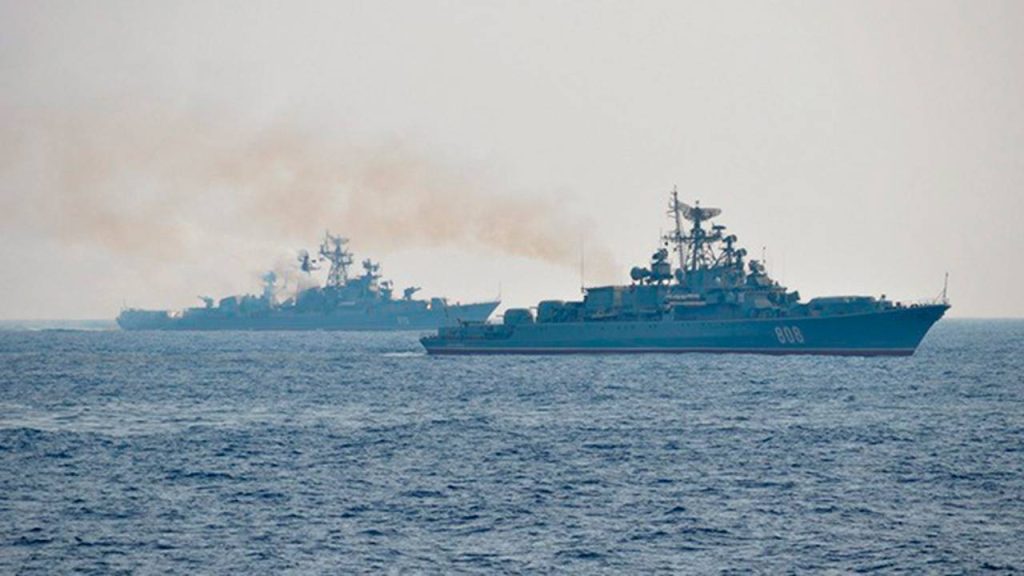
USM also reported the day before that insurance rates in the Black Sea are increasing after attacks on Russian tankers.