Glaciation of the Gulf of Finland could undermine Russian oil exports, — Bloomberg
19.02.2026 - 10:00
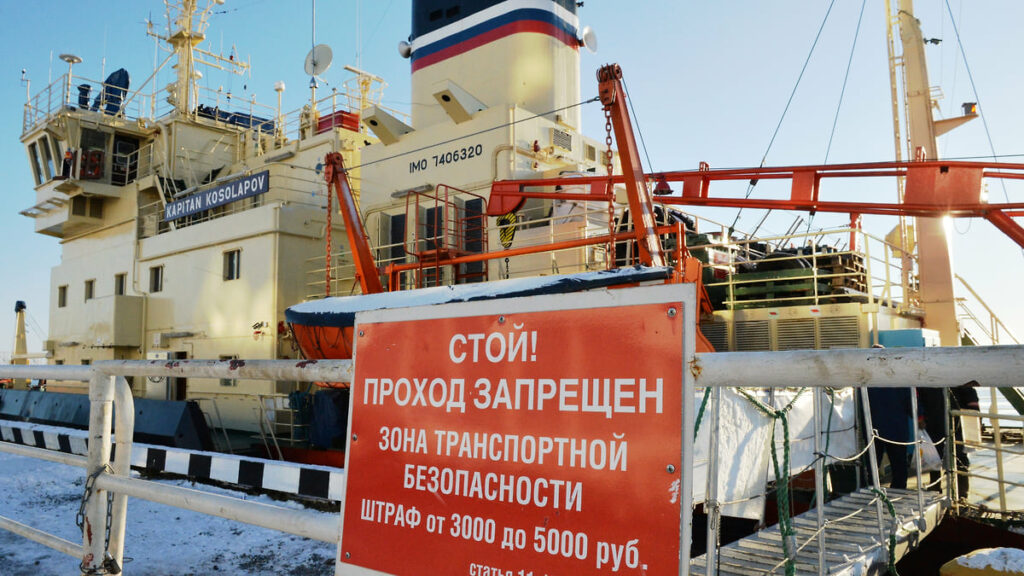
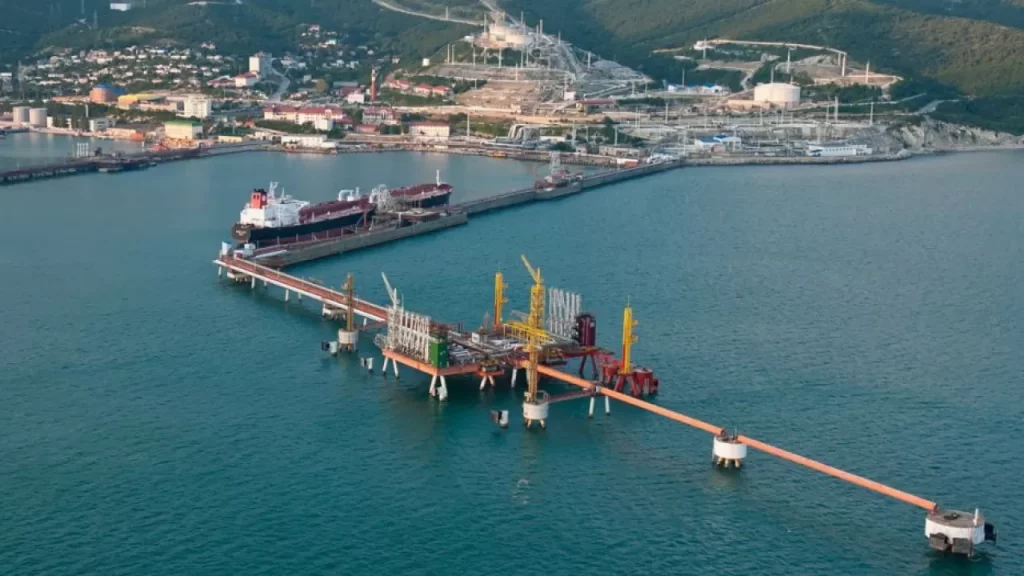
Non-ice-class vessels are allowed to pass only with individual icebreaker escorts, and the wait for convoys has stretched to 5–7 days.
The largest icing of the Baltic Sea in the last 15 years may hit part of Russia’s export program due to the lack of tonnage capable of operating in ice conditions, writes Bloomberg.
This primarily concerns the Gulf of Finland, which is now almost completely covered with ice and through which about 40% of Russian oil exports by sea pass. The area of ice fields continues to grow. A similar situation was last observed in February 2010 and 2011.
At the same time, the ports of Primorsk and Vysotsk have introduced a rule: non-ice-class vessels cannot enter without individual icebreaker escorts. Against the background of restrictions, the queues for convoy formation have increased by about 5–7 days.
The shortage of ships with reinforced hulls is making it difficult to export not only crude oil, but also fuel and other cargo. To relieve the tension, Russia is redeploying icebreakers Sibir and Murmansk from the Arctic – in total, the number of ships for clearing ice in the Gulf of Finland has been increased to six.
Against the background of the difficult ice situation, oil exports from Primorsk fell to 490 thousand barrels per day in the first half of February. This is about a third less than last year, and 50% less than in the same period in 2024. Delays in deliveries, together with sanctions pressure, the strengthening ruble and low prices, are further complicating the work of Russian oil companies.
If the ice thickness reaches 30–50 cm, from March 1, the ports of Ust-Luga, Primorsk and Vysotsk may completely ban entry to ships without ice class.
Meanwhile, China has increased its imports of Russian oil through a “shadow fleet.”