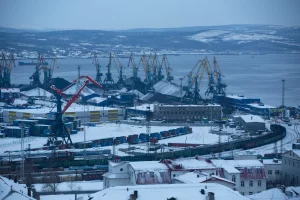
Global wheat prices rise due to disruptions in Black Sea exports, — Reuters
23.09.2026 - 18:10

Global wheat buyers are bracing for further price increases as supplies from the Black Sea region drop sharply.
Reuters reports.
Global wheat prices are rising amid a sharp drop in exports from the Black Sea region and no signs of a quick recovery in stable shipping.
According to the publication, attacks on ships and port infrastructure since July have all but halted normal grain cargo movements in the Black Sea. Importers in Asia, Africa and the Middle East, which traditionally rely on supplies from Russia and Ukraine, have been hit hardest.
Against this backdrop, wheat futures in Chicago have risen by about 40% from June lows to their highest in three and a half years.
According to Kpler, Russia may export only about 1 million tonnes of wheat in September, compared with 5 million tonnes a year earlier. Ukrainian exports are also expected to be around 1 million tonnes, about half the level last year.
Asia is feeling the most acute shortage. Indonesia, the world’s second-largest wheat importer, received only about 60,000 tonnes from the Black Sea region this month, compared with 500,000 tonnes in September last year.
Indonesian processors are already shifting their focus to Australia and Argentina. According to traders, Australian wheat is costing them about 20-25% more than Black Sea deliveries used to cost.
Black Sea wheat from Romania is currently being offered at around $340 per tonne C&F to Southeast Asia, while Australian Premium White is around $345 per tonne for October delivery.
Egypt, the world’s largest wheat importer, is also in a difficult situation. In the first half of September, the country imported about 144,000 tonnes, compared with 876,000 tonnes in the same period last year.
Egypt has begun to purchase grain more actively from France and other European countries, but some local buyers continue to wait for the possible resumption of cheaper supplies from the Black Sea.
According to traders, competition for available wheat shipments may intensify by the end of the year, when a new crop from the Southern Hemisphere countries enters the market.
Earlier, USM reported that grain exports from Ukraine have decreased by 22% since the beginning of the season.