Grain is accumulating in the Black Sea region: this may increase pressure on world prices
12.10.2026 - 18:27
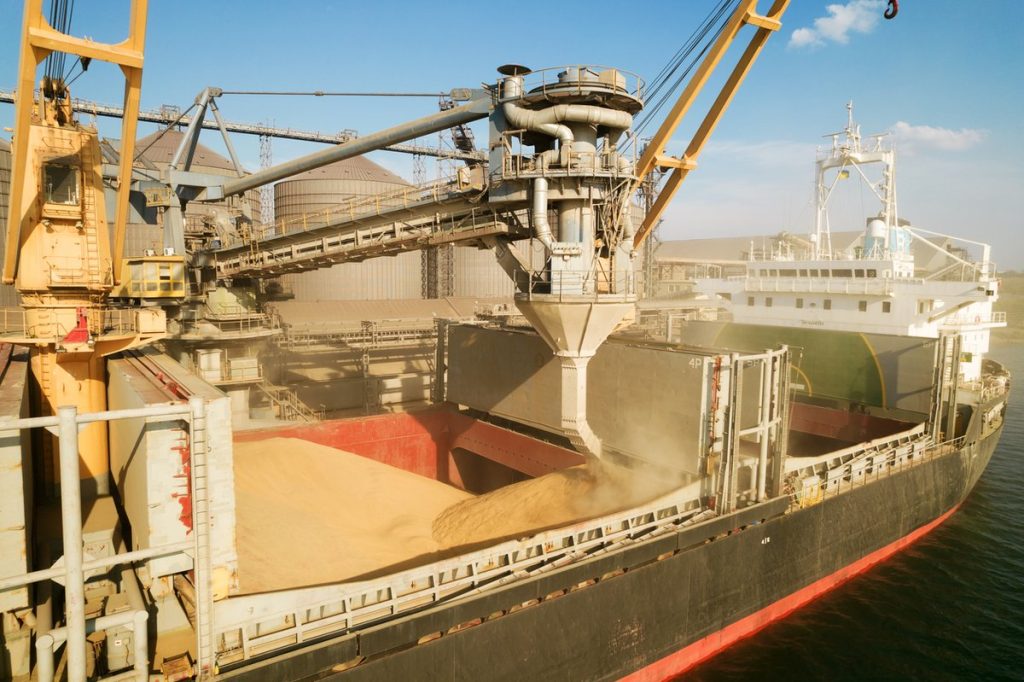
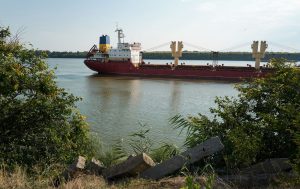
Significant grain stocks are accumulating in the Black Sea region due to restrictions on sea exports from Ukraine and Russia.
If full-fledged shipping is restored, these volumes could quickly enter the world market and increase pressure on prices, UkrAgroConsult reports.
According to estimates presented during the IFPRI-AMIS seminar, in July-September 2026, total wheat exports from Ukraine and Russia were 6.5 million tons lower than in the same period last year.
If problems with shipping persist, the backlog could increase to 10.2 million tons by the end of October.
Part of the grain cargo is being redirected via the Danube, railways, and Baltic ports. At the same time, these routes are more expensive and cannot fully replace the export capacity of the Black Sea.
In Ukraine, restrictions on sea exports increase the load on grain storage facilities and logistics, which puts pressure on domestic purchase prices.
In Russia, the situation is further complicated by a large harvest. According to forecasts, in 2026 it may reach 140 million tons. Due to problems with the operation of ports in the Azov-Black Sea basin, grain is accumulating in the production regions, and wheat prices in the south of the country are decreasing.
At the same time, the accumulated volumes may significantly affect the market after the resumption of sea exports.
Dragon Capital assumes that in 2027 Ukraine may increase sea grain exports in the event of a diplomatic agreement similar to the Black Sea Grain Initiative of 2022-2023.
If the accumulated stocks from Ukraine and Russia simultaneously enter foreign markets, the supply of Black Sea wheat may increase sharply. The greatest competition is expected in the markets of the Middle East, North Africa and Asia.
UkrAgroConsult notes that in this case, the resumption of shipping could not only facilitate the logistics of exporters, but also cause a new wave of decline in world wheat prices.