Kazakhstan failed to reorient exports after failures at the CPC
19.02.2026 - 10:43
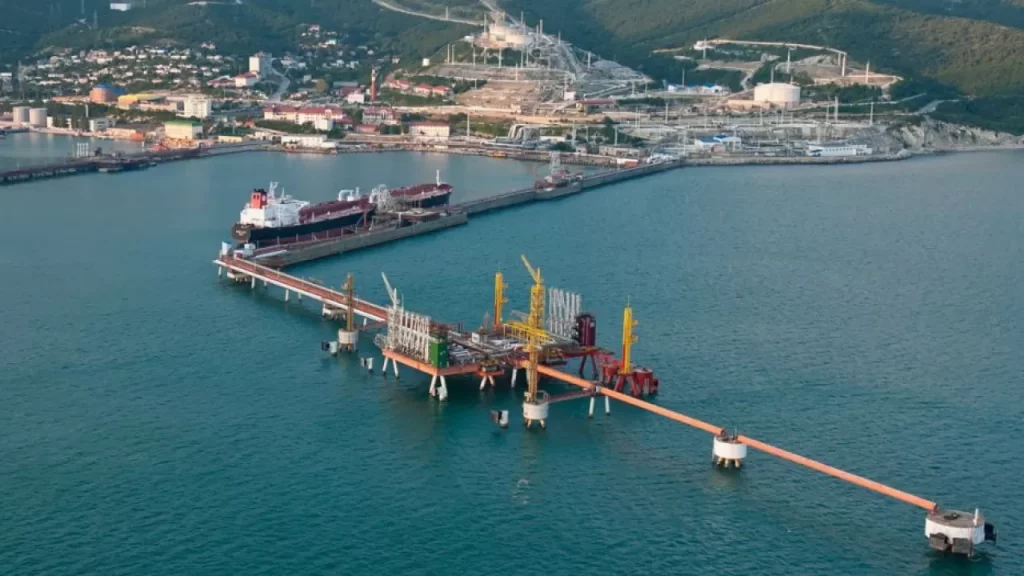
Kazakhstan managed to redirect only a small part of the oil that the country was unable to export through the CPC pipeline to the Black Sea.
Kazakhstan’s oil exports via alternative routes in January increased by only about 25,000 barrels per day compared to November. This is only 6% of the reduction in flows through the CPC over the same period, writes Bloomberg.
In January, Kazakhstan shipped 1.36 million tons of oil through the Atyrau-Samara and Atasu-Alashankou pipelines (to Russia and China, respectively), as well as through the port of Aktau on the Caspian Sea. In November, this figure was 1.22 million tons.
At the same time, exports through the CPC in January decreased by about 440,000 barrels per day, to the lowest level in the last seven years, as evidenced by ship tracking data.
Recall that in late November, unmanned boats damaged the mooring device of the CPC marine terminal in Novorossiysk. As a result, the terminal’s capacity was almost halved. According to Bloomberg, the equipment was replaced after almost two months, and it was put into operation on January 25.
The inability to quickly redirect export flows led to a 35% drop in oil production. In January, production fell to 5.25 million tons (approximately 1.34 million barrels per day) compared to 8.1 million tons (2.13 million barrels per day) in November. These figures include gas condensate.
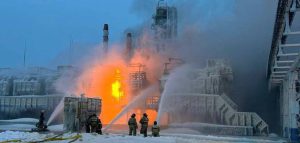
The situation was also complicated by a fire at the Tengiz field power plant, which caused operator Tengizchevroil to suspend production at the Tengiz and Korolev fields on January 19. Work was resumed about a week later.
After the damage to the CPC infrastructure, Kazakhstan began to look for alternative export routes, in particular supplies to China. However, the existing routes were insufficient to fully compensate for the losses.