Lithuania to detain Russian and Belarusian grain at Klaipeda port for inspections
10.11.2026 - 10:44
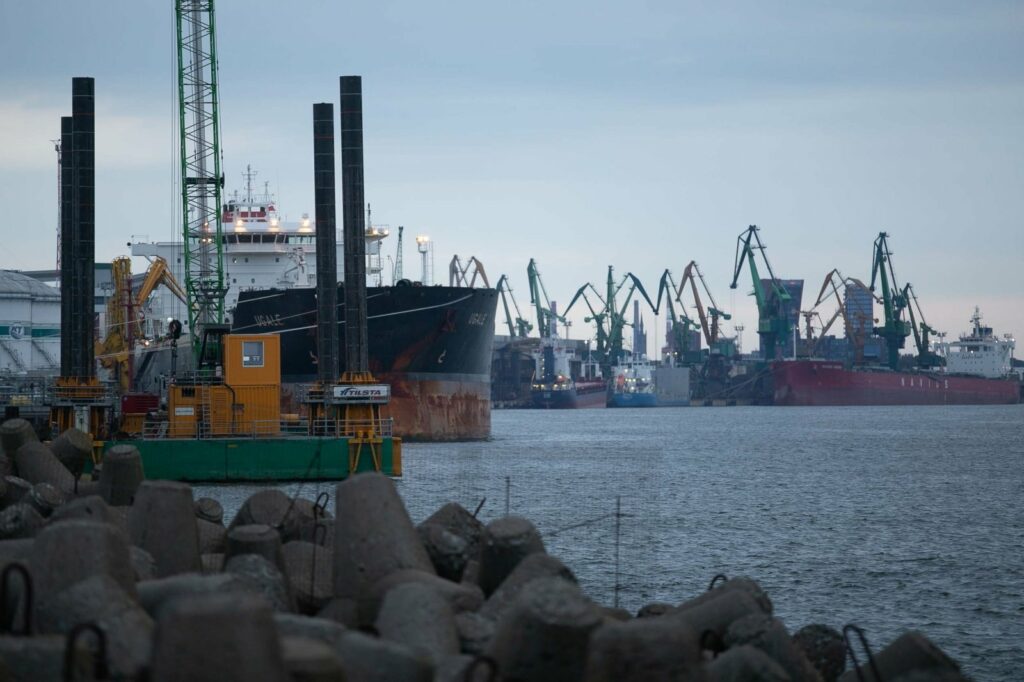
Lithuania is tightening controls on Russian and Belarusian grain exported through the port of Klaipeda.
The cargoes will not be cleared through customs until their origin is verified, which could take several months, Reuters reported, citing the Lithuanian Ministry of Agriculture.
The new rules will come into effect next week and will cover wheat, barley, corn and sunflower seeds from Russia and Belarus sent through Klaipeda.
Lithuania began inspecting such consignments in September amid suspicions that some of the products may originate from the temporarily occupied territories of Ukraine.
According to a ministry spokesman, the inspection could take two months or longer. The grain will remain at the port until the results are received and will not be able to pass customs clearance. If the declared origin of the cargo turns out to be false, the consignment will have to be returned to the sender or destroyed.
The long inspection periods are due to the fact that Lithuania does not have a laboratory capable of conducting the necessary tests, so samples have to be tested abroad. All costs for storing grain at the port, laboratory tests, as well as possible return or destruction of the cargo will be borne by the exporters.
Earlier, Lithuania proposed to the EU to ban the transit of Russian grain.