Oil prices fall amid revival of tanker traffic through sea straits
31.07.2026 - 17:56
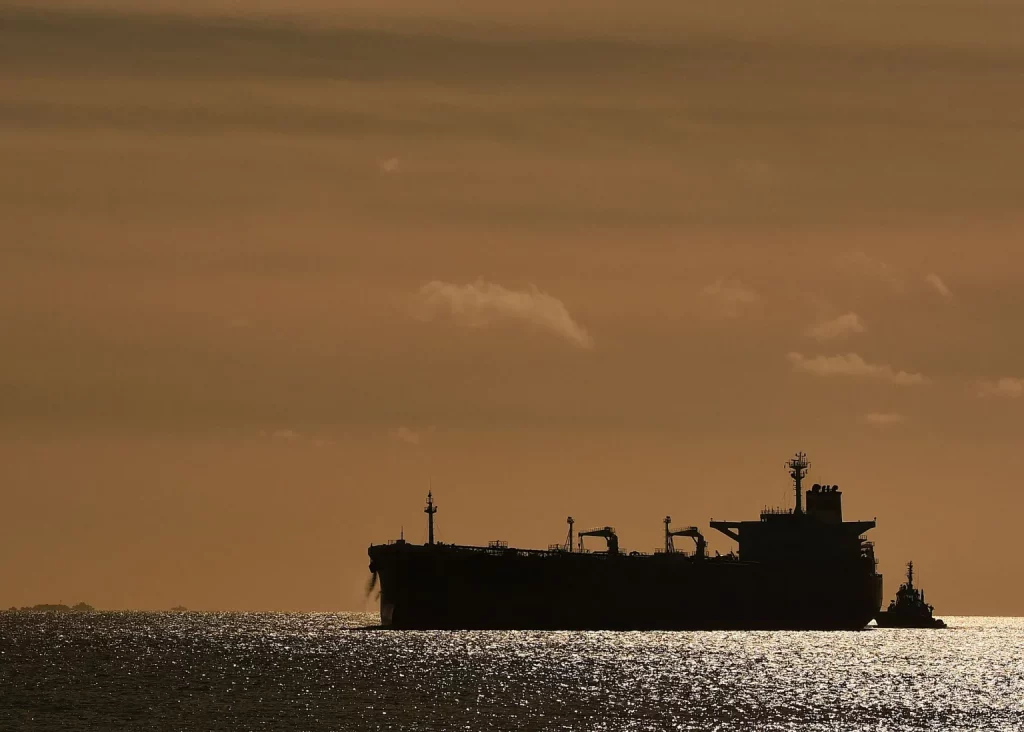
Meanwhile, shipping in the region remains limited, and freight and insurance costs are high.
Oil prices fell on July 31 amid signs of a gradual revival of shipping through key Middle East straits, Reuters reported.
Brent crude futures fell $1.03, or 1.2%, to $88 a barrel by 02:15 GMT. US West Texas Intermediate crude lost $1.50, or 1.8%, to $82.09 a barrel.
ANZ senior analyst Daniel Hines explained the price decline by the fact that geopolitical tensions are being partially offset by signs of a recovery in sea flows through the region.
According to Kpler, 29 crude-carrying vessels passed through the Bab el-Mandeb Strait on July 30, including two VLCC tankers, two Suezmax and six Aframax. Four ships passed through the Strait of Hormuz on July 31, up from three the day before, but overall traffic remains low.
Among the ships that left the Strait of Hormuz were two VLCCs — the SPAIN B with Saudi oil and the NOBLE with Iraqi crude. Each was carrying about 2 million barrels of oil.
At the same time, Saudi Arabia announced its intention to lead a multinational maritime coalition to protect shipping in the Red Sea, the Bab el-Mandeb Strait and the Gulf of Aden.
The initiative was supported by 14 states, including Egypt, Turkey, Pakistan, Sudan and Djibouti. The coalition is to strengthen defense cooperation and protect trade and energy routes from attacks.
Despite the revival of tanker traffic, security risks in the region remain high. Threats of attacks are forcing some ships to change routes or turn off their AIS transmitters, while shipowners are facing rising freight rates and insurance premiums.
Phillip Nova analyst Priyanka Sachdeva noted that increased freight and insurance costs continue to support a significant geopolitical premium in oil prices, even despite the partial resumption of transportation.
At the same time, Brent could show growth of about 21% in July, and WTI – by 18%, as the market reacted during the month to the escalation of the conflict and risks to seaborne energy exports.
The day before, USM wrote that the Houthis may introduce a fee for the passage of ships through the Red Sea.