Polish companies may go bankrupt due to refusal to transship Ukrainian grain
5.01.2026 - 16:01
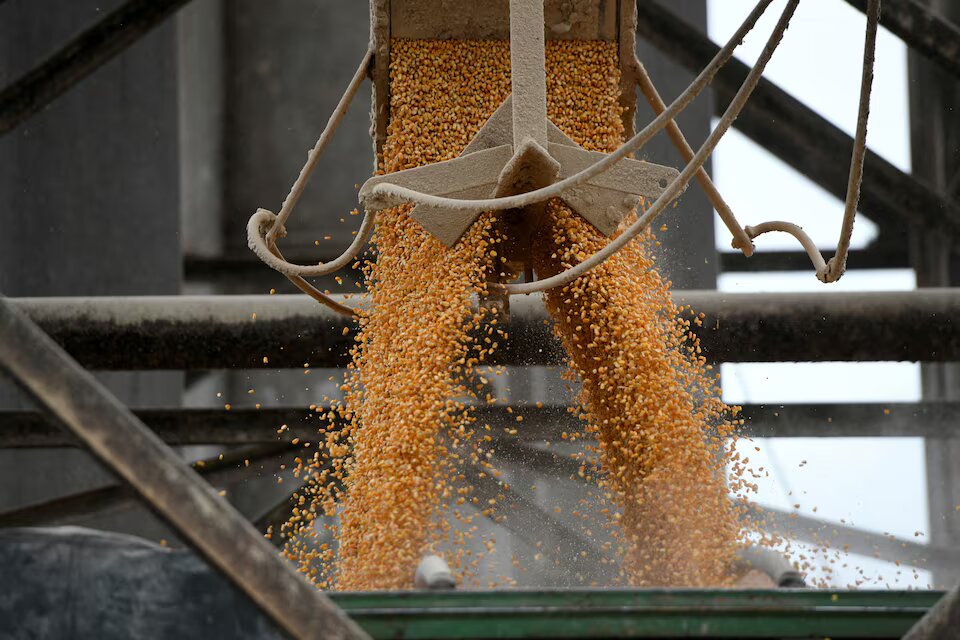
Due to the long-term suspension of Ukrainian grain transshipment, the Polish logistics sector is on the verge of a crisis.
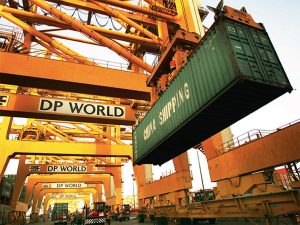
While the ports of Romania and Germany are making money on the transit of Ukrainian products, Polish terminals are suffering losses and preparing for cuts, Interfax-Ukraine writes.
“We understand that the entry of Ukrainian raw materials, agricultural products and grain into the Polish market is unacceptable and should never happen. However, it is necessary to distinguish between two points: permission for transit, and therefore profits for Polish ports and transshipment terminals, and permission for the import of goods into circulation. We believe that blocking the transit of Ukrainian products in Poland harms our economy,” the CSL group of companies sent such a letter to the Polish Ministry of Infrastructure.
Laura Golowac, CEO of the CSL group of companies, claims in the letter that for many months the Polish borders have been facing a significant problem of a shortage of imported goods, especially Ukrainian grain. This has already led to huge costs and threatens to lay off workers. Therefore, according to the company, the situation requires analysis and action by the national authorities, including the Ministry of Infrastructure.
Holovač noted that imports (especially grain from Ukraine) have been suspended for a year. Polish terminals, “are probably all empty and have very high operating costs.” The CEO of CSL also drew attention to the fact that Romania, Germany and Turkey store large volumes of grain from Ukraine in their ports and are able to process the supply of raw materials, while preventing its distribution on domestic markets. In Poland, this situation is ignored, so transport companies, ports and terminals are losing profits.
The goal is to develop transit in such a way that many transhipments are carried out through Polish terminals, and the goods can then continue their journey to other countries, Holovač noted.
She added that the Polish authorities pay great attention to the security and quality control of goods and documents, but the problem is the slowness of border control procedures, which last several days, which applies not only to goods from Ukraine.
“It is necessary to analyze the entire supply chain, since the transport and logistics industry is currently losing ground, which, in turn, affects the national economy and our GDP,” the CSL CEO emphasized and warned that ignoring this problem will lead to the bankruptcy of local transport companies and a decrease in the country’s GDP. USM previously reported that Hungary and Poland will not lift the ban on the import of Ukrainian agricultural products.