Russia is intensifying repression against Arctic researchers to hide the real state of affairs in the region, — Foreign Intelligence
6.03.2026 - 11:40
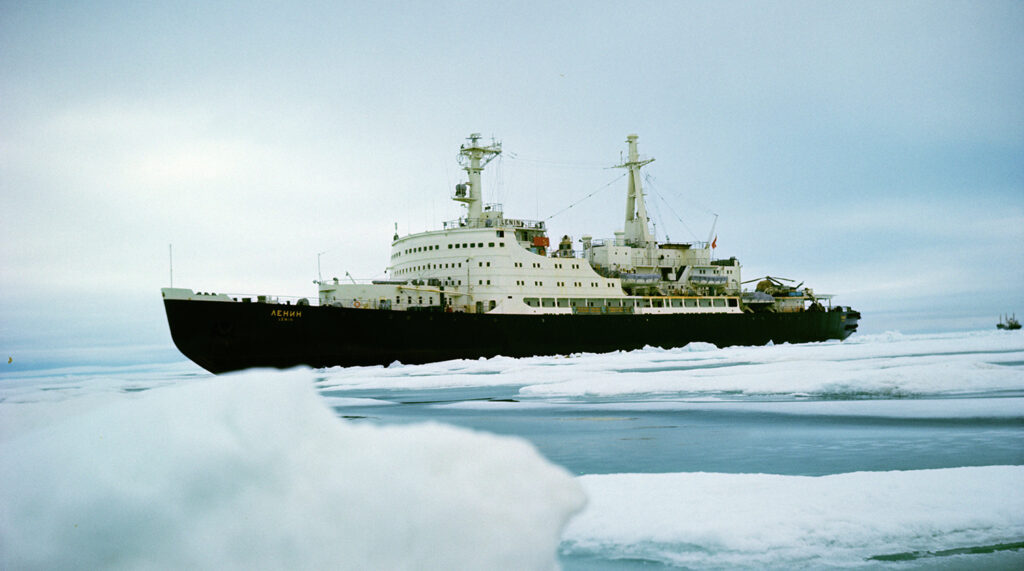
The international scientific report on the state of the Arctic, which has been prepared every five years since 1991 under the auspices of the Arctic Council, will be published in 2026 without Russian input.
Moscow is increasing pressure on scientists, specialized organizations and media working on Arctic issues. This was reported by the Foreign Intelligence Service of Ukraine.
In this way, the Kremlin is trying to hide the consequences of its management in the Arctic and avoid publicity about the ecological and social problems of the region.
One example of such pressure is the detention on January 14 in St. Petersburg of Russian researcher Alexei Dudarev, who is suspected of high treason. According to the Foreign Intelligence, he was collecting and systematizing materials for a future international report. The main topic of his work was the impact of toxic pollutants on Arctic ecosystems and human health, in particular representatives of small indigenous peoples of the Russian Federation.
The intelligence service draws attention to the fact that information that was open until 2022 is now considered by Russian special services as a potentially hostile resource. In this logic, even scientific developments can be interpreted as materials that foreign intelligence agencies can allegedly use.
According to the Foreign Intelligence, the pressure is not limited to one case. For example, on February 16, the Russian authorities declared the non-profit organization “Arktida”, which specializes in Arctic research, “undesirable”. In parallel, pressure from security forces on teachers and scientists of the Northern (Arctic) Federal University is being recorded.
A separate direction is the persecution of media outlets that cover the situation in the Arctic. In particular, journalists from the Norwegian publication The Barents Observer, which has a Russian-language version, were added to the lists of “terrorists and extremists” and “foreign agents”.
The Foreign Intelligence believes that the Kremlin’s growing aggressiveness towards any sources of information about the Russian Arctic indicates Moscow’s unwillingness to reveal the real state of affairs in the region.
According to intelligence assessments, Russia seeks to maintain its influence in the Arctic at all costs and leave room for potential agreements with the West in the future, and repression against scientists, institutions and the media has become a tool for hiding the consequences of previous management.
USM also previously wrote that Russia is unable to service its ports in the Arctic.