Shell ends partnership with Rosneft in CPC project
11.12.2025 - 11:03
Shell Plc is separating its stake from Russia in the Caspian Pipeline Consortium, while maintaining its total participation in the project.
Shell plans to terminate its partnership with Rosneft, through which it indirectly owns a part of the CPC stake. This is reported by Bloomberg.
Currently, Shell’s total stake in CPC is about 7.4% and is structured as follows: 3.75% – through a joint venture with Rosneft, 1.75% – direct participation, 2% – through a subsidiary of BG Overseas Holding Ltd. If the process is successful, Shell will retain its stake, but no longer in joint ownership with a Russian company that is under sanctions.
The decision comes against the backdrop of Western sanctions pressure on the Russian oil industry and after Shell promised in March 2022 to gradually leave the Russian market due to the Russian war against Ukraine.
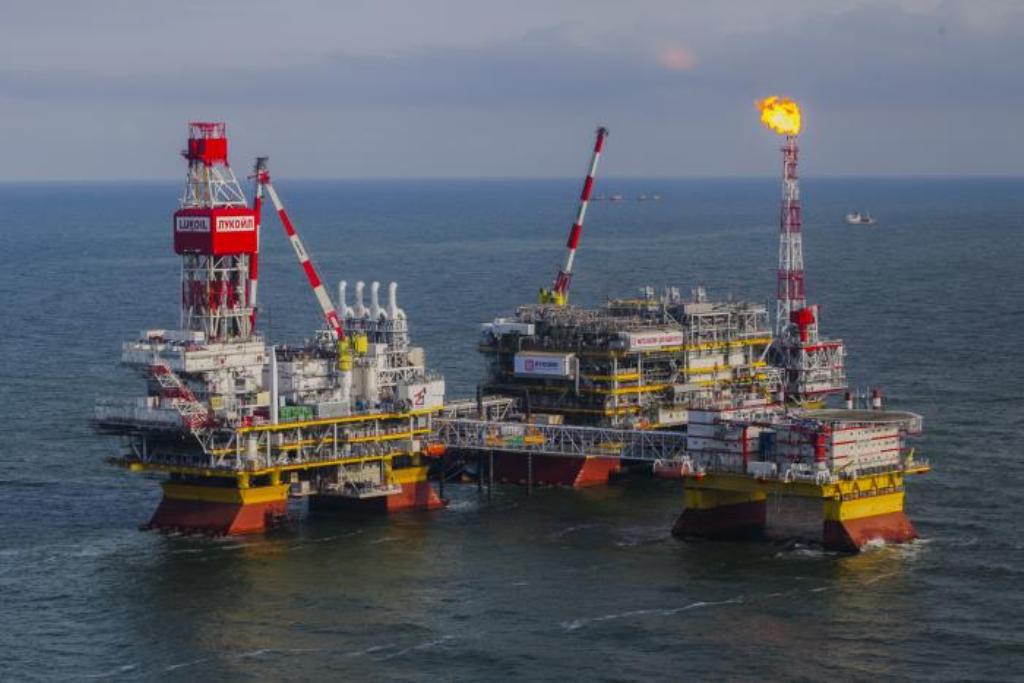
The Caspian Pipeline Consortium transports Kazakh oil to the Black Sea via Russia; its shareholders include international oil giants and Russian producers Rosneft and Lukoil.
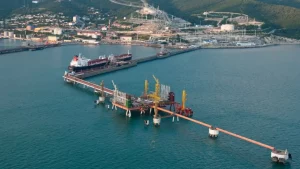
In recent weeks, the CPC infrastructure has been hit by several drone attacks. For example, on November 29, the Novorossiysk marine terminal reported significant damage to the SPM-2 berth and a temporary halt to operations; the consortium is gradually restoring capacity and accelerating repairs to another berth. Amid the incidents, Kazakhstan is urgently reorienting some of its flows, in particular to China.
Legal “untying the knot” with the Russian Federation will allow Shell to minimize sanctions and reputational risks without losing access to a strategic route for the supply of Kazakh oil. In practice, this is another signal to the market that Black Sea logistics and assets with Russian co-owners are becoming increasingly toxic, both financially and operationally.
As USM reported, another tanker carrying Russian oil was attacked in the Black Sea the day before.