Rosneft tankers stuck in the sea near Asia
14.01.2026 - 10:11
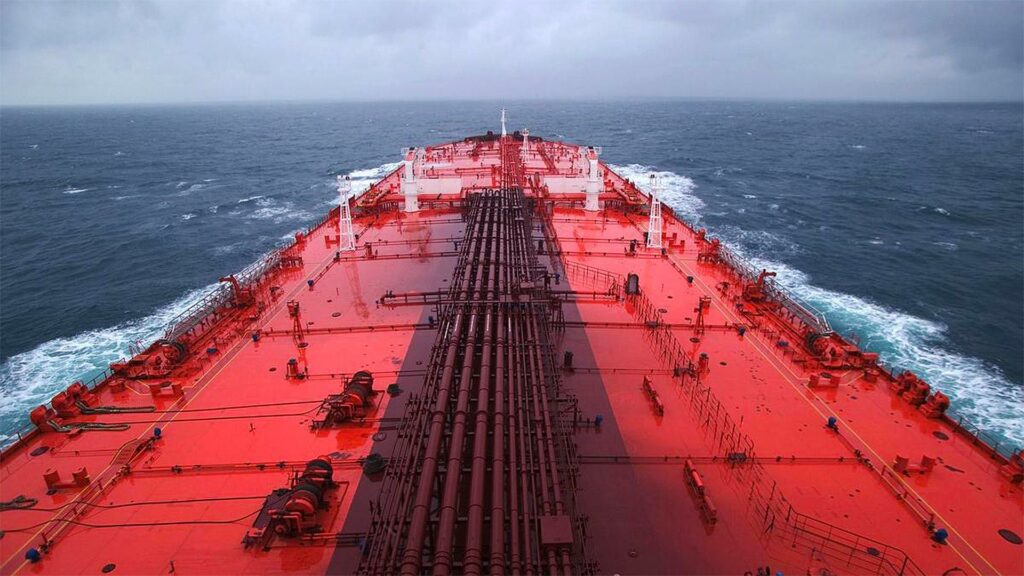
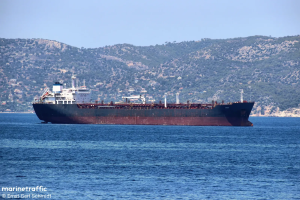
At least 12 Urals oil tankers are anchored off the southern coast of Oman, some since mid-December.
Russian tankers are piling up in the approaches to Asian ports, Bloomberg reports.
More and more Urals ships are taking longer trips and waiting in the roadsteads for a window to unload. In recent weeks, shipments to India and China have stalled, with some cargoes being held up for long periods at sea.
Russian oil trade with key buyers in Asia has slowed. Rising freight costs (especially for “gray” vessels) have widened the price gap between sellers and refiners, and individual shipments are being held up in queues at the approaches to Chinese ports. At the same time, the fleet afloat is growing — global oil storage in sea has reached its highest level since the pandemic, putting additional pressure on prices.
Some sanctioned tankers manage to reach Chinese terminals, but with delays and under additional permits/licenses. Previous cases show that even after arrival, the time until actual discharge can be extended. This increases the cost of the voyage, increases tonne-miles and takes part of the fleet out of circulation, de facto reducing the available supply of transportation.
As a result, the Russian Federation is forced to shift its focus to longer routes towards China, and supplies to India operate with interruptions. For the market, this means longer supply chains, higher and more volatile logistics costs and an increasing share of oil that is stuck at sea waiting for counterparties or “windows” for reception in ports.
For carriers, this means higher freight rates on “risky” routes and a shortage of vessels under clean services, longer voyages and a larger layer of “floating stocks”, which makes prices more sensitive to any news about sanctions/inspections and the increased role of Asian ports in unloading sanctioned consignments and additional pressure on their throughput.
The day before, USM wrote that due to sanctions, Russian oil production fell below OPEC quotas.