Ukraine and Italy discussed ways to support agricultural exports after Russian attacks on ports
4.09.2026 - 16:44
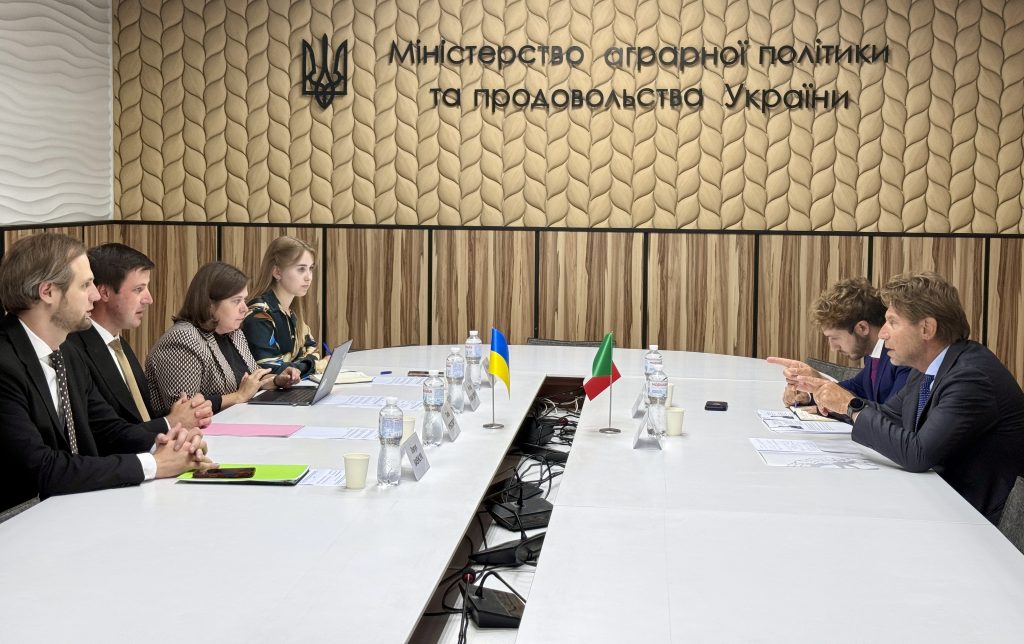
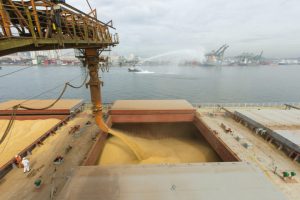
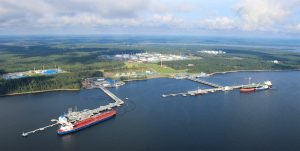
The parties discussed the consequences of Russian attacks on the port infrastructure of Great Odesa, risks for the export of Ukrainian agricultural products and possible directions for strengthening support for Ukrainian agricultural producers from Italy.
Minister of Agricultural Policy Taras Vysotsky met with the Extraordinary and Plenipotentiary Ambassador of Italy to Ukraine Carlo Formosa. The meeting was also attended by Deputy Minister Denys Bashlyk, the Ministry of Agrarian Policy reported.
Taras Vysotskyi noted that due to Russian attacks on civilian vessels and port infrastructure in late July and early August, the export of agricultural products has significantly decreased.
“The current situation in the Ukrainian agricultural sector is difficult. In August, we were able to export only about a third of the potential volume. Alternative routes allow us to increase this figure to 50%, but they cannot completely replace the capabilities of Black Sea ports. Therefore, we face a dual task – to ensure the stability of export routes and at the same time create additional capacities for storing crops,” he emphasized.
Vysotskyi noted that the projected export potential of Ukrainian agricultural products is about 60 million tons. If export opportunities remain limited, significant volumes of products will require additional storage.
One of the key issues of the meeting was the possible support of Italy for Ukrainian agricultural producers in creating temporary grain storage facilities. The topic was, in particular, the use of grain sleeves and other solutions, as well as the introduction of a voucher system that would allow farmers to independently provide the necessary services and equipment for storage.
“Ukraine has already attracted about $35 million in international support for temporary grain storage, including $25 million from the World Bank and about $10 million from other partners. At the same time, there is a need for additional financing,” the minister added.
The Italian side reported that it is considering the possibility of directing support through FAO programs. In particular, through a voucher system, which can supplement support for providing grain sleeves.
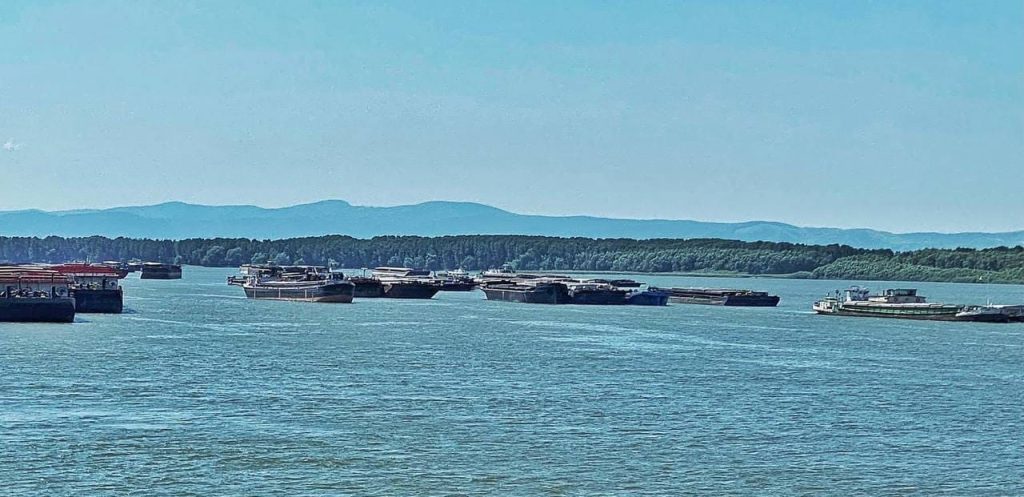
They also discussed supporting the restoration of port and logistics infrastructure and strengthening the sustainability of alternative routes for the export of Ukrainian agricultural products. The Minister stressed the importance of developing the European Solidarity Routes and diversifying logistics, in particular railway routes.
Earlier, USM reported that Azerbaijan had proposed new routes for the export of Ukrainian agricultural products.