There are not enough elevators: Russia stores unexported grain right in the fields
13.11.2026 - 10:20
Due to the blockade of the Black Sea, 20 million tons of Russian grain remained unsold. Overpayment for logistics is about $200 million per month.
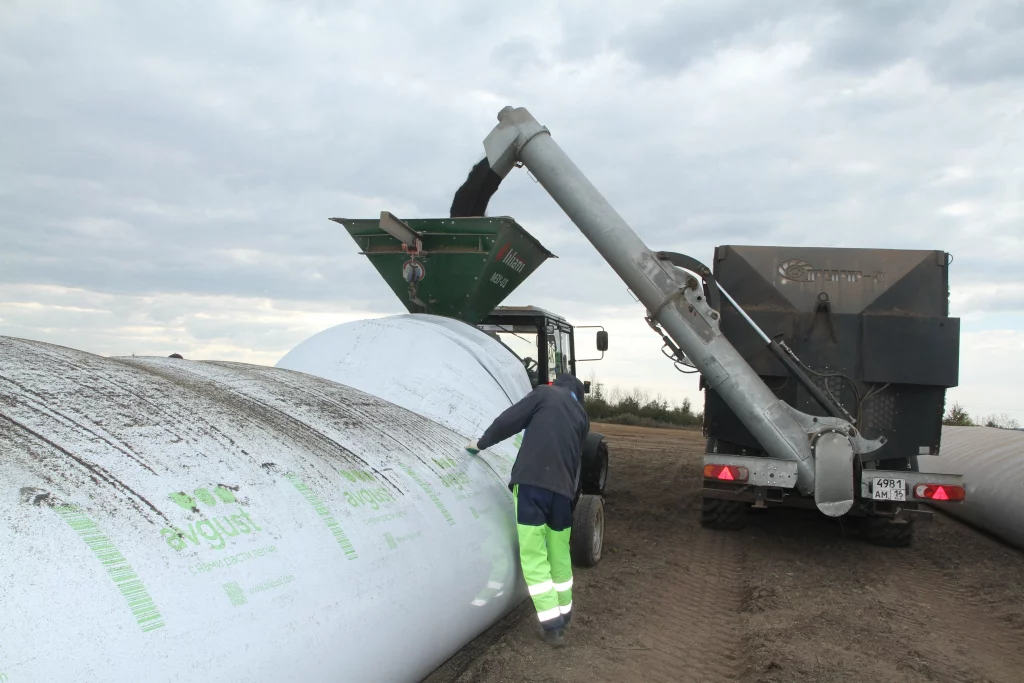
Russian farmers have switched to storing grain in polymer sleeves, since traditional elevators are not enough for the volumes that cannot be exported. This is reported by Market Screener.
According to the IKAR consulting company, the surplus of unexported grain this year may reach 20 million tons. It will have to be stored until an internationally brokered agreement appears to stop the attacks and resume exports.
According to the Russian Grain Union, 10 million tons are already stored in sleeves — about 7% of the annual harvest. In total, up to a third of the country’s annual exports can be placed in this way.
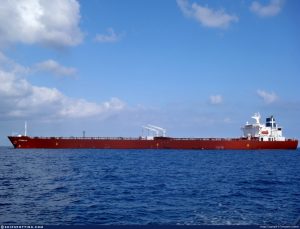
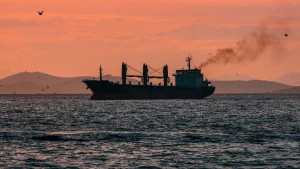
Since the beginning of July, Russian grain exports have fallen by about a third of their usual volumes after attacks on ports and ships in the Black Sea.
The technology was invented in Argentina in the 1990s. Each sleeve holds up to 200 tons of grain, and three companies in Russia are set to start producing such sleeves between 2020 and 2025. According to petrochemical company Sibur, which supplies polyethylene, grain can be stored in them for up to 18 months.
The method has its limitations. The folds in the film allow rodents to enter, and special guns like those used at airports are needed to scare away birds. Alla Novikova, a representative of the Russian Agricultural Supervision Research Center, noted that storage conditions vary between farms and geographical areas, so the condition of the sleeves needs constant monitoring.
The reason for its popularity is the lack of alternatives. Storage capacity in Russia is about 160 million tons, mostly built in Soviet times, but experts estimate that only 40% meets modern standards. The rest is only suitable for short-term storage with a high risk of loss. High interest rates prevent farmers from investing in new elevators.
At the same time, the available capacities are scattered across the country and may be economically inefficient due to their remoteness from the fields, while the hoses are placed directly on farms.
The central regions and the Volga region, which are further from the Black Sea and Azov ports, were the first to use the technology. Now it is expected in the south.
Earlier, USM reported that Russia exports grain through 15 ports instead of 38 due to drone strikes.