Russia’s “Shadow Fleet” to be added to additional EU sanctions lists
12.11.2026 - 13:31
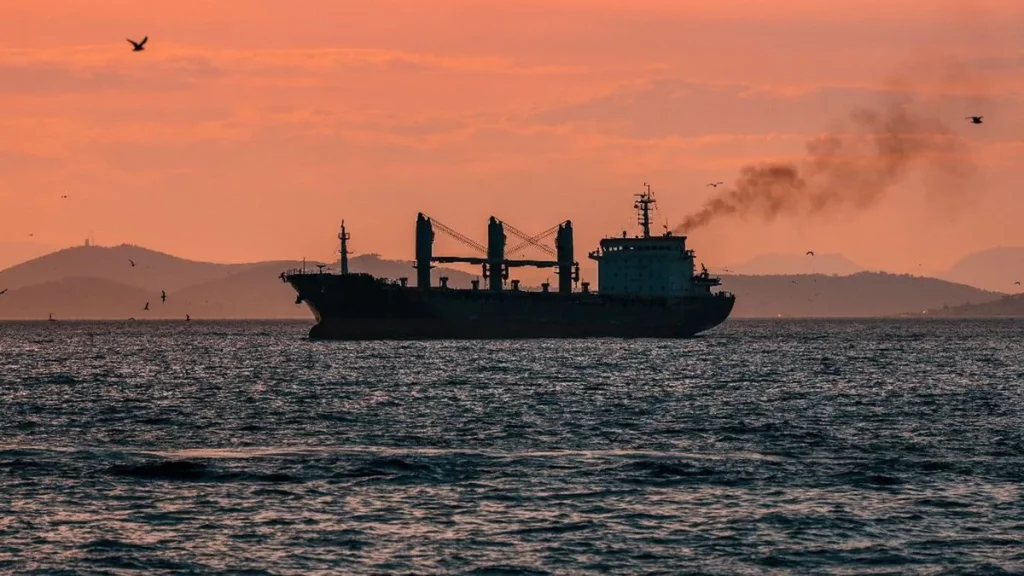
The new EU sanctions against Russia, which are to be approved on November 16, include oil refineries and structures associated with the so-called “shadow fleet” of the Russian Federation.
This was stated by the European Commissioner for Finance Maria Luis Albuquerque during her speech in the European Parliament, writes European Pravda.
According to her, new oil refineries will be added to the EU sanctions list against Russia.
“On Monday, EU foreign ministers are expected to adopt additional sanctions lists on oil refineries and the ecosystem of the Russian shadow fleet. This is another round of tough sanctions inclusions in the lists, aimed at countering the malicious attempts of those who contribute to Russia’s aggressive war and profit from it,” said Maria Luis Albuquerque.
As of today, the EU has included more than 690 shadow fleet vessels in the sanctions lists, which are prohibited from accessing EU ports and providing services.
The European Commissioner also recalled that at the same time, the European External Action Service and the European Commission are finalizing the preparation of proposals for the 22nd package of sanctions against Russia.
“To date, the EU has included more than 690 vessels of the shadow fleet in the sanctions lists, which are prohibited from accessing EU ports and providing services. We have cut off significant parts of the Russian financial sector, forcing it to rely on alternative payment channels, and have introduced measures to restrict them as well. We have now imposed a ban on transactions with more than 100 Russian banks,” the European Commissioner said.
“The sanctions are working, and Moscow knows it. They have cost Russia over 1 trillion euros, which it could otherwise have spent on war,” added Maria Luis Albuquerque.
She also stated that the European Union will continue to coordinate sanctions policy with international partners, in particular within the G7, in order to strengthen the effectiveness of restrictions and counteract their circumvention.
Read also: EU Court upholds ban on Russian ships entering ports.