
Canada may partially replace Black Sea wheat in traditional markets
15.10.2026 - 12:05
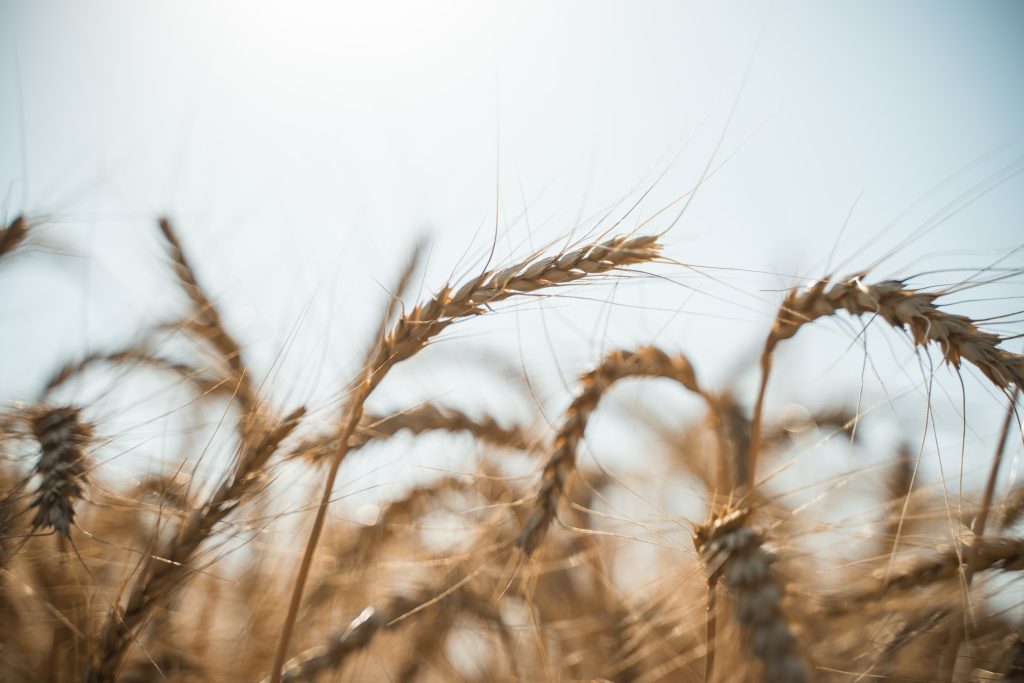
Due to shipping problems in the Black Sea, Canadian exporters have begun to crowd out Ukrainians on the world market.
Canada may increase wheat supplies to traditional buyers of Black Sea grain this season due to shipping problems caused by the war. This is reported by The Western Producer.
According to Neil Townsend, senior market analyst at FarmLink Marketing Solutions, disruptions in Black Sea grain supplies give Canada a chance to supply some of its usual buyers with wheat. At the same time, the quality of the Canadian crop turned out to be better than market participants expected after prolonged rains during the harvest.
However, importers usually look for wheat with a low protein content, while the Canadian crop is distinguished by high indicators. According to the Canadian Grain Commission, as of October 6, the average protein content in samples of CWRS spring wheat was 14%, and CWAD durum wheat was 13.4%.
“You can’t sell 24 million tonnes of that wheat,” Townsend explained, noting that the global market for wheat with a protein content of 14% and above is quite limited.
In his opinion, market participants are focusing too much on this indicator. The analyst believes that any with a protein content above 12.5% can be considered a good harvest.
“Few and fewer buyers who buy in large quantities are actually paying for protein,” he said, adding that Canadian exporters often supply grain with a higher protein content than stipulated in contracts.
This is confirmed by the difference in prices. For example, Canadian CWRS with 13.5% protein is traded at about $259/t FOB, while Black Sea wheat with 12.5% is around $231.50/t.
Concerns about the quality of the crop have not yet come true. As of October 6, 77% of 526 spring wheat samples tested met the two highest quality classes, while 68.2% of 255 durum wheat samples met the two highest quality classes. Analysts attribute this to the resistance of modern varieties to adverse weather.
Some quality heterogeneity, he believes, may even help with exports — not all buyers are willing to pay for the highest-grade grain, and there are markets for lower-grade durum wheat. At the same time, too large a difference in characteristics makes it difficult to form uniform ship lots and creates a burden on logistics.
Meanwhile, one of the traditional buyers of Black Sea wheat — Egypt — may tighten grain quality requirements for government procurement.