EU plans to revise maritime law to counter Russia’s “shadow fleet”
12.12.2025 - 14:05
Brussels is preparing a new interpretation of the UN Convention on the Law of the Sea, which will expand the possibilities for boarding ships of the Russian shadow fleet.
The EU is discussing a draft declaration that will allow for stricter application of maritime law to vessels that threaten underwater infrastructure and at the same time help Russia evade sanctions. This is reported by Euractiv.
National governments are preparing a common interpretation of UNCLOS, which will give law enforcement agencies broader grounds for boarding, searching and detaining crews on the high seas and in their own waters – when “there are sufficient grounds to suspect that the vessel is under a false flag”.
The document specifically emphasizes that “shadow” vessels pose a particular danger. Despite the fact that the declaration formally retells the current rules, EU countries set out their interpretation as clearly as possible – this is a public signal of readiness to protect critical underwater infrastructure.
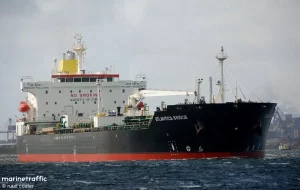
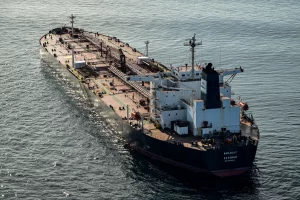
The latest EU sanctions package has already affected 117 tankers of the Russian shadow fleet. The fleet itself is estimated to number between 600 and 1,400 vessels. The EU diplomatic service also proposes to automatically add newly discovered “shadow” vessels to the sanctions list, without waiting for the next package.
In parallel, member states are preparing amendments to national legislation to better protect pipelines, cables and other infrastructure and have promised to step up efforts to comply with reporting requirements – with full disclosure of ship identification information. Some countries, such as Denmark, have already stepped up law enforcement measures against “shadow” carriers.
Outside the EU, it is proposed to launch a “broad initiative to develop tools to combat threats” within the framework of the UN or IMO – to unify rules for protecting underwater infrastructure globally. The aim is to adopt the document in the near future at the level of diplomatic missions in Brussels. However, the text is still being finalized: Portugal and Greece retain reservations regarding certain provisions.
At the same time, as USM reported the day before, a court in Germany did not allow the seizure of an emergency tanker of the Russian “shadow fleet”.