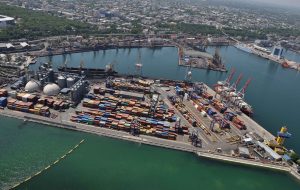
Grain exports reoriented to western borders while ports stall due to Russian attacks
22.12.2025 - 15:33
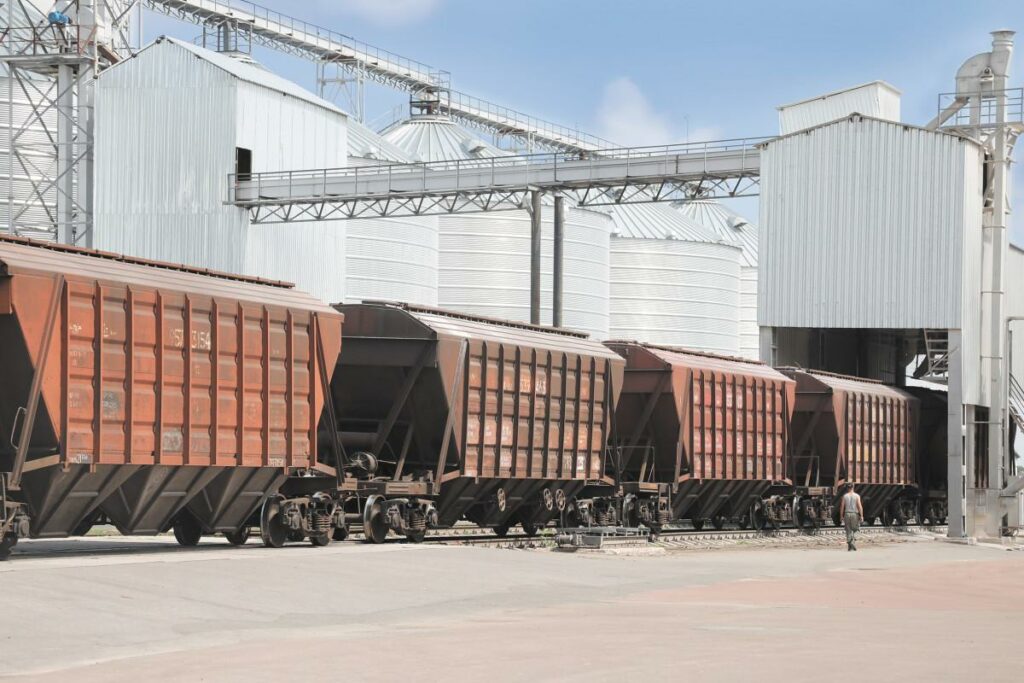
Cargo turnover through “dry ports” compensates for part of the loss of exports due to Russian shelling of maritime infrastructure.
The average daily transfer of grain trucks across the border with the EU for December 1–17 increased to 198 wagons/day (+17% m/m). This is reported by Spike Brokers.
This partially compensates for export losses due to disruptions in seaports. The increase was recorded at all key crossings: towards Hungary — up to 56 wagons/day (+7.8), Slovakia — up to 36.8 wagons/day (+14.9), Poland — up to 20.4 wagons/day (+1.3).
At the same time, the accumulation of rolling stock is increasing in the direction of the ports of Greater Odessa. As of December 18 — 11,466 wagons (plus about +112 daily; +2,106 compared to last week). The average daily loading rate decreased to 1,125 wagons/day (–80), and unloading at ports — to 1,013 wagons/day (–206), which forms a negative balance.
According to brokers, by December 31, the maximum possible unloading will be 17–18 thousand wagons (approximately 1.2 million tons), while the accumulation in transit may increase to ~12,600 units. This significantly increases the risks of logistical pressure on port infrastructure — from queues on approaches to increased costs and schedule disruptions.
Meanwhile, as USM wrote, the Odesa region continues to eliminate the consequences of strikes on port and logistics infrastructure.