Grain exports through ports remain dominant, but demand for oil has weakened
24.02.2026 - 11:37
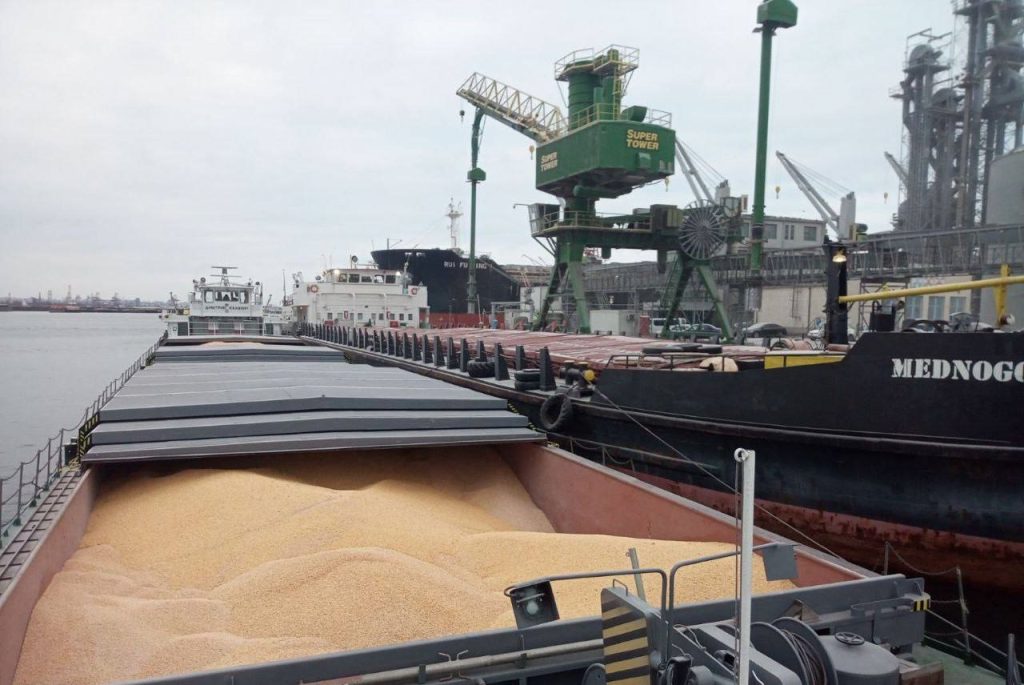
The share of shipments to ports in the structure of rail grain exports is stable at 91%.
In February, 1.368 million tons of grain were transported to ports, which is 0.8% more than last year. This is reported by analysts at Spike Brokers.
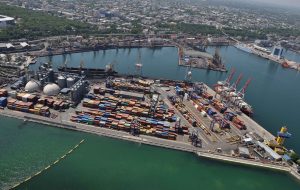
The Black Sea Port TIS terminal shows the greatest dynamics – 296.2 thousand tons (+54% y/y). The Odesa port also shows growth (+8.7% y/y). At the same time, Chornomorsk-Port-Export reduced volumes by 1.8%, and Danube ports experienced a significant drop. In particular, Izmail reduced transportation by 60%.
As of February 19, the average daily shipment in the ports of Great Odesa was 1,126 wagons per day, and more than 11 thousand wagons with grain were moving towards the ports. The average daily load on the networks in this direction has increased to 1,172 t/day.
Against this background, a significant amount of corn is accumulating in the ports – currently almost 800 thousand tons of goods are heading towards the ports, a significant part of which is formed by this crop.
The price of corn on a CPT-port basis according to the SPIKE Spot Index has decreased to $212/t (-$1 per week), which may signal the beginning of a correction after the previous increase.
Despite the increase in Chicago quotes, port activity for wheat remains moderate. Exports in February are concentrated mainly on the MENA market, and the overall pace of shipments remains limited. Wheat quotes in the ports have increased – feed wheat is traded at $210/t (+$1), and wheat with 11.5% protein content costs $216/t (+$2).
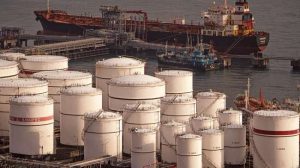
In the oilseed segment, sea exports are showing a weakening. In February, only 29.1 thousand tons of oil were transported to ports (-36% y/y), and the share of ports decreased to 34%. This confirms the trend of reorienting oil exports to land routes.
At the same time, in the segment of cake and meal, 37.6 thousand tons were transported through ports (+9% y/y), which forms 25% in the export structure of this product.
Also, the day before, USM wrote that shipowners of “coasters” equalized the rates for the Danube and deep-water ports.