Increasing Ukrzaliznytsia’s tariffs will make grain exports through Constanta unprofitable, say farmers
31.07.2026 - 10:24
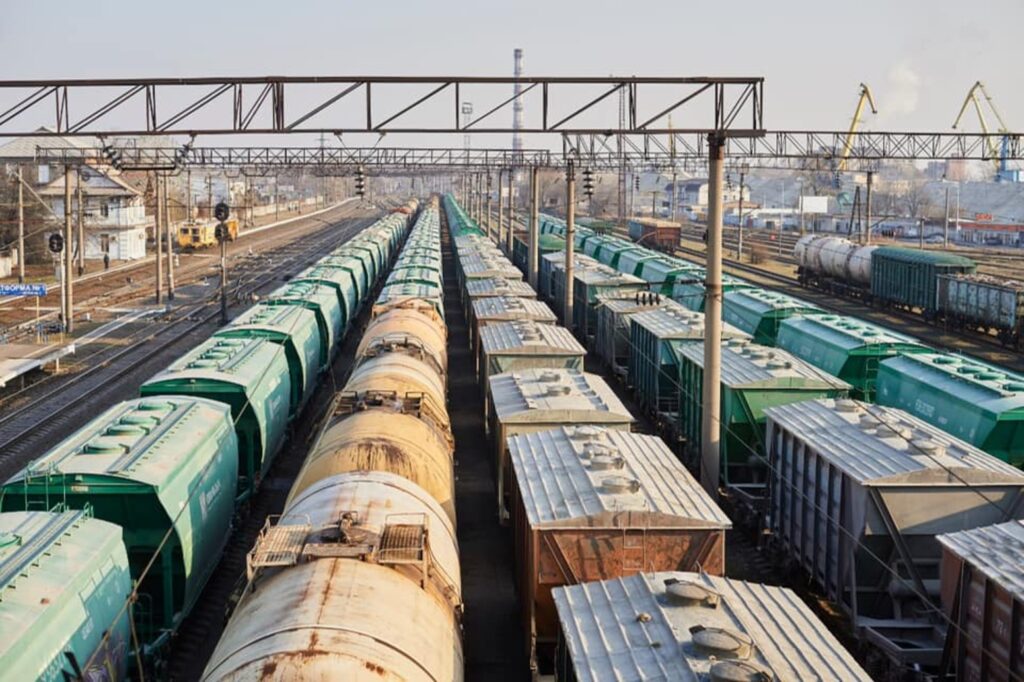
Farmers have called on the government to postpone the planned increase in Ukrzaliznytsia’s freight tariffs and review approaches to tariff formation.
This was reported by the All-Ukrainian Agrarian Council and the Ukrainian Agrarian Business Club in a joint statement.
The corresponding appeal, which was sent to the government of Ukraine, refers to the planned indexation of freight tariffs by 30% and an increase in the cost of empty wagon mileage by 60%.
The associations noted that the decision is being prepared against the backdrop of Russian attacks on port infrastructure, restrictions on sea exports, rising resource prices and falling purchase prices for agricultural products.
Due to problems with the operation of sea ports, some cargo has to be redirected through western border crossings. According to Ukrzaliznytsia, the railway network can transport about 1 million tons of agricultural products per month with a need of 5.6 million tons. The average monthly export in the 2025/2026 marketing year is 4.1 million tons.
According to agricultural associations, the reorientation of grain to the western direction has already increased logistics costs by $40–60 per ton. After the tariff increase, the delivery of a ton of grain to the Romanian port of Constanta may cost $60–70, with the cost of wheat in the port being about $210 per ton.
The associations also warned that the tariff increase could lead to the accumulation of wagons at border crossings, a shortage of rolling stock and an increase in the cost of its rental. A similar situation was already observed in 2022–2023, when the rental of wagons increased from 1.2 thousand to 16 thousand UAH per day.
Farmers propose to postpone the change in tariffs, develop a fairer pricing model, and introduce an electronic queue and load limits in the direction of western crossings in accordance with their capacity.