New risks in the Black Sea: how the market reacted to the attack on tankers carrying sanctioned oil
4.12.2025 - 18:05
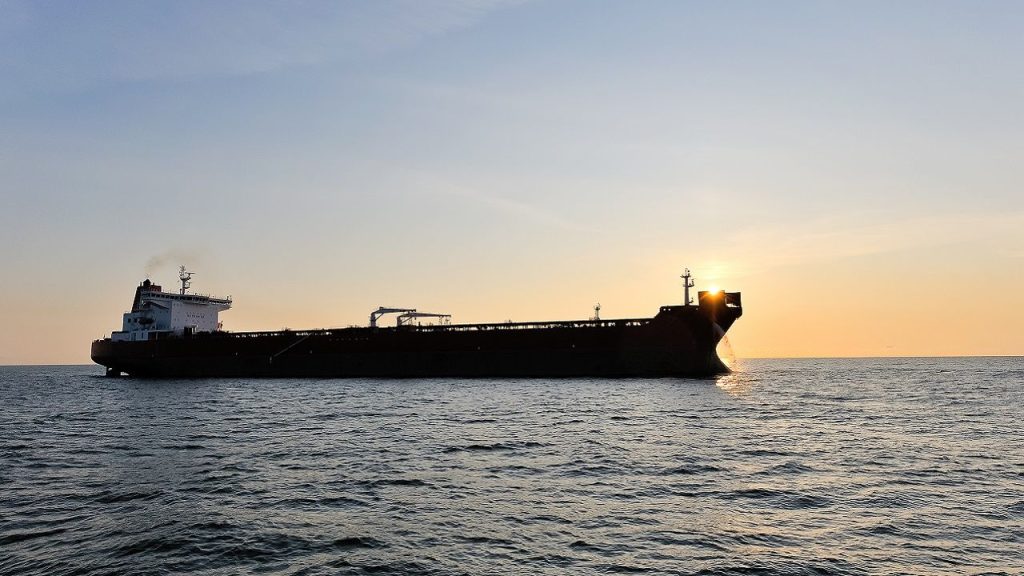
The drone strike on two tankers of the Russian “shadow fleet” off the coast of Turkey has become yet another signal about the vulnerability of the Kremlin’s oil logistics. At the same time, it has already forced insurers to reassess risks in the Black Sea.
USM spoke with freight broker and founder of MB Navigation S.A. Konstantin Sobol, and also interviewed other experts, about what to expect on the Black Sea freight market in the near future.
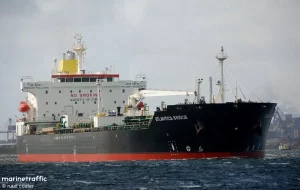
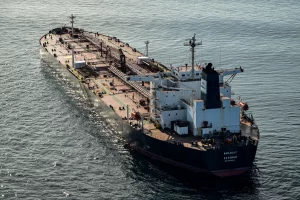
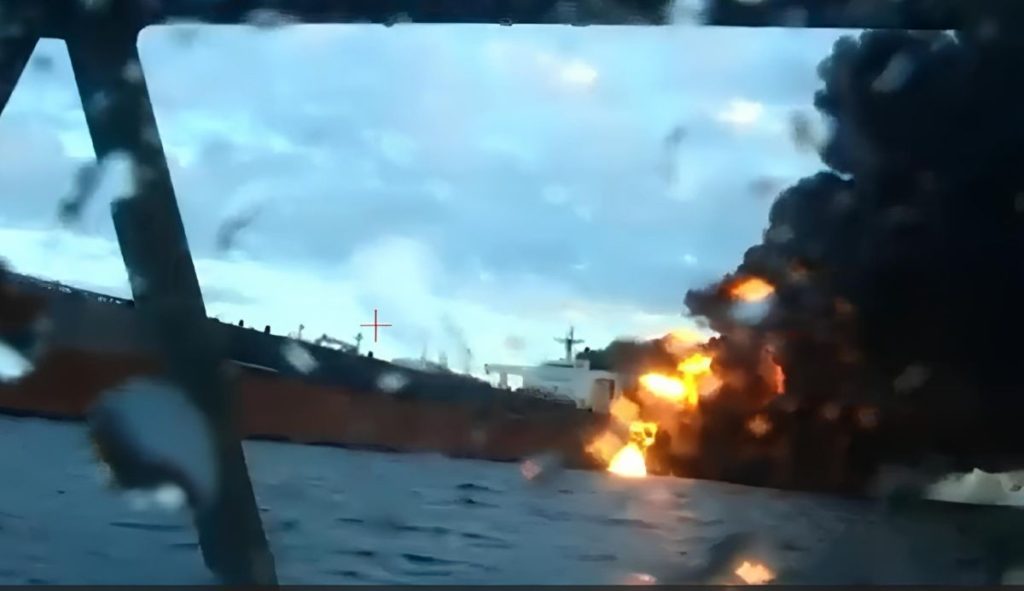
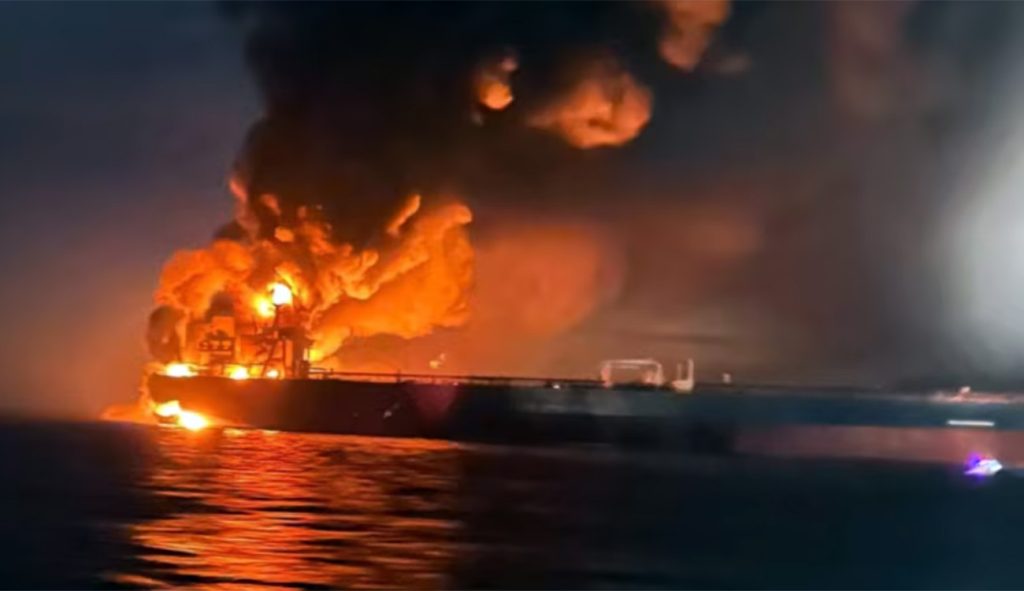
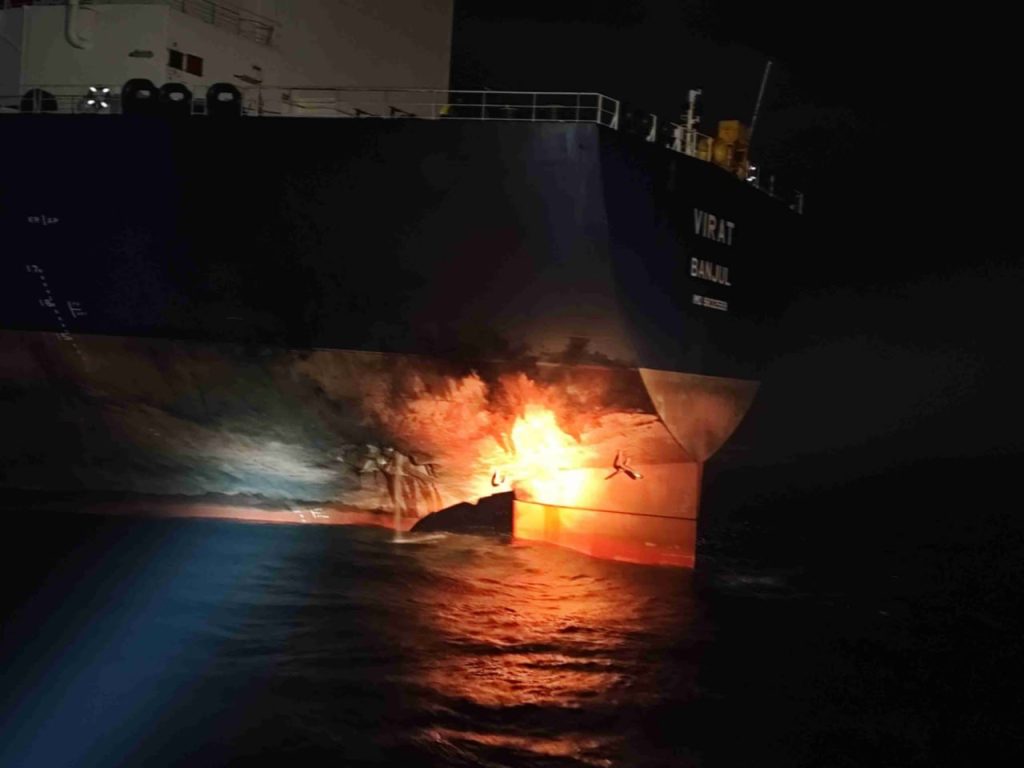
On the night of November 28, naval drones hit two Russian tankers, Kairos and Virat, which belong to the so-called shadow fleet. The vessels were flying the Gambian flag, heading empty to the port of Novorossiysk and were attacked near the coast of Turkey.
The interesting thing begins at the flag stage. It is highly likely that both tankers were unflagged — Gambia’s Maritime Administration is currently “cleaning” its registry and some tankers have been deflagged. The country has stripped 72 vessels of their flag, mostly because of their illegal operations, so it is likely that Kairos and Virat could have been among them.
Both tankers were used to transport Russian oil in circumvention of sanctions, i.e. operating outside the price ceiling and often without legal insurance coverage. They are typical representatives of the Kremlin’s “shadow” oil fleet — old, often technically worn-out vessels that, under offshore jurisdiction and under shell owners, provide the Russian Federation with a vital flow of petrodollars.
In this sense, the attack on Kairos and Virat was targeted not only from a military but also from an economic point of view — not so much at the physical destruction of assets, but at a systemic increase in risk for the entire sanctions evasion scheme.
The fact that the attack took place near Turkey automatically turned it into a precedent with international resonance. Ankara expressed concern about the events in the Black Sea, directly pointing to the threats to the safety of shipping, the lives of crews and the environment. The strikes by Ukrainian naval drones, which previously mostly hit military targets or port/energy infrastructure of the Russian Federation, have now affected a wider contour – including the interests of other states. However, as a market participant noted to USM on condition of anonymity, there is another side of the coin: despite Turkey’s fear of an environmental catastrophe, the country still allows the outdated and worn-out Russian tanker fleet under sanctions through its straits. It is also doubtful that these ships are thoroughly checked for insurance, flag (as we mentioned at the beginning of the article) or other documents, which may well be forged – and this does not indicate that the country that allows the transit of such potential “ecological explosives” cares about environmental safety.
At the same time, the market reacted quickly to this event: literally a few days after the incident, the cost of insurance for ships in the Black Sea increased. The increase affected both standard routes and flights to Russian ports, which reflects a new assessment of risks – now not only legal, but also physical. This may be the first episode of a new campaign of systemic pressure on the key source of foreign exchange earnings for Russia – oil exports.
Reaction of the insurance market and freight brokers
After the attack on the Kairos and Virat tankers, the issue of cargo and ship insurance in the Black Sea has once again come to the fore. The insurance market, which has been living in a “military zoning” mode for several years, has responded quickly to the new escalation. According to Reuters, war risk insurance rates for ships calling at Ukrainian ports have increased from 0.4% to 0.5% of the ship’s value. For Russian ports, which were already considered high-risk, premiums have reached 0.65–0.8%, although a week ago they were around 0.6%.
However, according to Konstantin Sobol, the impact of the incident on the “legal” segment of the market — that is, companies that work with “sanction-free” oil and have official P&I club coverage — will be limited for now.
“For legal market players in the Black Sea, I see no prerequisites for increasing insurance premiums, because the main shock from military actions passed at the beginning of the first grain corridor,” the expert notes.
Instead, the pressure is increasing precisely on the “shadow fleet”. Old vessels with an opaque ownership structure, operating under “convenient flags” and outside the jurisdiction of the main insurance pools, find themselves in a situation where the risk of physical damage ceases to be abstract.
“The fear of carriers may play a role here, but then such shipowners will simply refuse to transport, because it is impossible to insure such vessels,” emphasizes Sobol.
This is not only about losses from a specific strike, but about changing the general climate in the market. If the fear of strikes becomes systemic, this will reduce the number of people willing to work in the shadow segment, and accordingly, reduce the volume of Russian oil shipments bypassing sanctions. At the same time, the expert admits that there are no such signs yet.
This means that even after an attack near Turkey, most shipowners who are already consciously operating in a risk zone are unlikely to change their behavior. But the very fact of an attack in the Turkish EEZ creates a new precedent that forces a reassessment of the risk map — for both insurers and cargo owners. And each new episode increases the likelihood of a systemic market reaction.
Although the market has already recorded an increase in insurance premiums, freight rates currently remain stable — at least in the legal segment. According to Konstantin Sobol, an attack on tankers is unlikely to significantly affect the cost of freight for the transportation of Russian oil, at least directly. The reason lies in the specifics of the shadow fleet itself.
“The so-called shadow fleet is used only for the transportation of sanctioned oil products, and in my opinion, there is enough premium in the rates there already today,” said Konstantin Sobol.
In other words, freight rates in this segment have long taken into account all risks — from the technical condition of vessels and the lack of legal insurance to geopolitical tensions. Moreover, it is the extremely high freight rate that allows shipowners with a dubious reputation to take risks, operating on the verge of legality. Therefore, another strike in itself — even a successful one — will not necessarily lead to a price surge.
However, the expert does not rule out that in the event of further escalation or a “turning point” in market sentiment — when the fear of physical damage becomes more tangible — a price reaction will also be possible: not through an increase in rates, but through a reduction in the supply of vessels.
“Then this could lead to a partial or complete stoppage of traffic,” says Sobol.
And although he emphasizes that such trends are not currently observed, the “freight shock” scenario cannot be completely ruled out.
Thus, for the freight market, the main variable remains not the attack itself, but its regularity. If attacks on the “shadow fleet” become systemic, and shipowners feel a real threat, rates may increase or, more likely, an exit from this segment will begin. In the short term, the market remains inertial. But in the medium term, even targeted attacks can change the balance of risk.
Threats and further aggression from Russia
The successful attack on the tankers of the Russian “shadow fleet” was a painful blow not only to the shipping infrastructure, but also to the very idea of evading sanctions with impunity.
Thus, on December 2, Russian President Vladimir Putin told journalists that the terrorist country would increase attacks on Ukrainian ports and ships entering them, against the background of drone attacks on Russian tankers in the Black Sea.
In addition, the dictator threatened to attack tankers of countries that help Ukraine if the attacks continued.
Already on December 3, wheat futures (Chicago and Euronext) quickly added $ 8-14 / t against the background of concerns about the possible complication of shipping in the Black Sea and logistics in general.
However, this is not the first time the Russian President has resorted to manipulation, and this is precisely the fact that Russian troops have not stopped attacking Ukrainian port infrastructure. Thus, earlier, the head of the Monitoring Group of the Institute of Black Sea Strategic Studies, Andriy Klymenko, recalled that in January-September 2025, Russia carried out at least 107 attacks on the ports of Greater Odessa, the ports of the south of the Odessa region, and the energy and industrial infrastructure of the region, that is, on average once every three days. And these were both missile strikes and attacks using UAVs, simulator drones and small unmanned boats.
In recent months, the Russians have resorted to outright terrorizing business and the public in the Odessa region, directing reconnaissance drones almost around the clock, which, against the background of security considerations, paralyzes the work of enterprises. In particular, even before Putin’s “announcement”, the Ukrainian company Barin Group, which exports agricultural products, complained about difficult working conditions due to constant air threats.
“What was supposed to be a routine operation turned into a 20-day marathon. The Shaheds now appear one or two at a time, not hitting targets, but deliberately activating the air alarm. Each warning means several hours of downtime: ports stop all loading and unloading, government agencies close, and average loading/unloading rates drop from the usual 3,000 tons per day to 500-700 tons,” the company noted on social media.
The company’s vessel was supposed to complete the operation within a week, but the delay due to the alarms extended the transshipment period by 10 days of unloading and another 10 days of loading.
“One such delay and the ripple effect pushes the line of subsequent vessels, shifts departure periods and increases risks throughout the chain,” Barin Group noted.
And dozens, if not hundreds, of enterprises in the Odessa region are facing the same problem, but they continue to work, which indicates the resilience of Ukrainian business.
Putin’s threats were also commented on by the Navy of the Armed Forces of Ukraine. Thus, the spokesman for the department, Dmytro Pletenchuk, called these threats empty, since due to limited resources, the Russian Black Sea Fleet can no longer perform even basic tasks. Pletenchuk added that currently Russian ships are limited in resources, repair bases and the ability to perform tasks, therefore they are forced to protect their fleet and cannot effectively block Ukrainian ports.
He also emphasized that even during the grain agreement, the Russians continued to shell Ukrainian ports.
Let’s return to the tankers – the question of how Russia can respond to such actions, in addition to attacks on Ukrainian infrastructure, and whether the Russian Federation will defend its “shadow fleet.” Konstantin Sobol believes that the Kremlin’s room for maneuver is limited — both from a military and economic point of view.
The most obvious scenario is a military reinforcement of the protection of tanker routes, in particular through the escort of warships or attempts to neutralize Ukrainian naval drones. However, according to Sobol, this option is unrealistic.
“This is impossible, otherwise they will have to escort their “shadow fleet” in international waters. And this, first of all, makes the aggressor’s naval fleet easily vulnerable to our naval drones,” he emphasizes.
In addition, the Montreux Convention is in force, which regulates the passage of military vessels through the Bosphorus. Turkey, according to the document, has the right to restrict access to the Black Sea for any military ships in wartime. This makes large-scale escalation or constant escort of tankers by warships impossible — especially in the southern direction, where the risk of a drone attack has now become real.
Economic reorientation looks no less problematic. Transferring the routes of the “shadow fleet” to the Atlantic or Indian Ocean does not solve the problem — the ships remain under sanctions, they are easy to identify, and the countries through which they pass carry reputational risks.
“The probability of such a ship being detained in any country is very high,” notes Sobol, adding that Ukraine’s allies have every opportunity to act more aggressively against such flights, even beyond the Black Sea.
In practice, according to the expert, Russia is still responding asymmetrically — with strikes on Ukraine’s energy and port infrastructure. In particular, by attacking substations and port energy supply facilities and the cargo complexes themselves, the Kremlin is trying to create a logistical collapse. This greatly weakens the intensity of our exports and imports. Thus, the answer is not at sea, but it is on land — and it is aimed not at protecting its assets, but at hindering Ukrainian exports.
Geopolitical implications
However, such actions do not solve the growing physical risks for the Russian fleet. And if this trend intensifies, Russia will have to either look for new routes or change the entire logic of oil exports. And this is difficult, expensive and dangerous.
The incident with tankers working in the interests of the enemy clearly showed that even pinpoint strikes on the “shadow fleet” can have wider geopolitical consequences. Turkey immediately reacted with a public statement about the “serious risks” created for the safety of navigation, human life and the environment. Meanwhile, Kazakhstan expressed its dissatisfaction with the previous strike on the Caspian Pipeline Consortium’s berth in Novorossiysk, through which Kazakh oil is also exported.
This raises an important question: where exactly is the line drawn between the fight against sanctions circumvention schemes and a threat to the economic interests of Ukraine’s partners? Will these countries start putting pressure on Kyiv to limit such operations — not for political, but purely pragmatic reasons?
Sobol assesses the situation clearly and, one might say, binary. Every country that allows vessels violating the sanctions regime to pass through its territory becomes, in fact, an accomplice in circumventing sanctions. In particular, Turkey, which regularly allows such tankers through the Bosphorus, or Kazakhstan, which exports its oil through the Russian Federation’s sanctioned ports, actually make a choice in favor of economic cooperation with the aggressor.
On the other hand, systematic strikes on the shadow fleet create a new diplomatic dynamic. If Ukraine can prove that the attacks are targeted, controlled, and directed exclusively against sanctions violators, this may, on the contrary, strengthen the trust of partners. After all, this is not about chaotic escalation, but about supporting the international regime of restrictions against the aggressor state.
In this sense, the “shadow fleet” becomes not only a logistical but also a political target. And as soon as the partners recognize that attacks on it are part of a global fight against war financing, criticism from Turkey or Kazakhstan risks losing legitimacy.
The incident with the attacks on the Kairos and Virat tankers can be seen as the beginning of a new stage in the war at sea – a point-by-point, but strategic pressure on the logistics of Russia’s oil exports, and Russian attacks “in response” on the ships of our partners and Ukrainian port infrastructure. The risks for both countries in this field have become wider – and both Ukraine and our enemy seem to still have to learn to cope with them.

Read also: Cargo insurance in wartime: risks, practice and real protection mechanisms