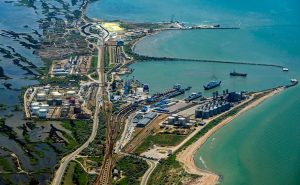
Russia is looking for an alternative to the Black Sea: the first grain tanker is being loaded in Murmansk
29.10.2026 - 12:05
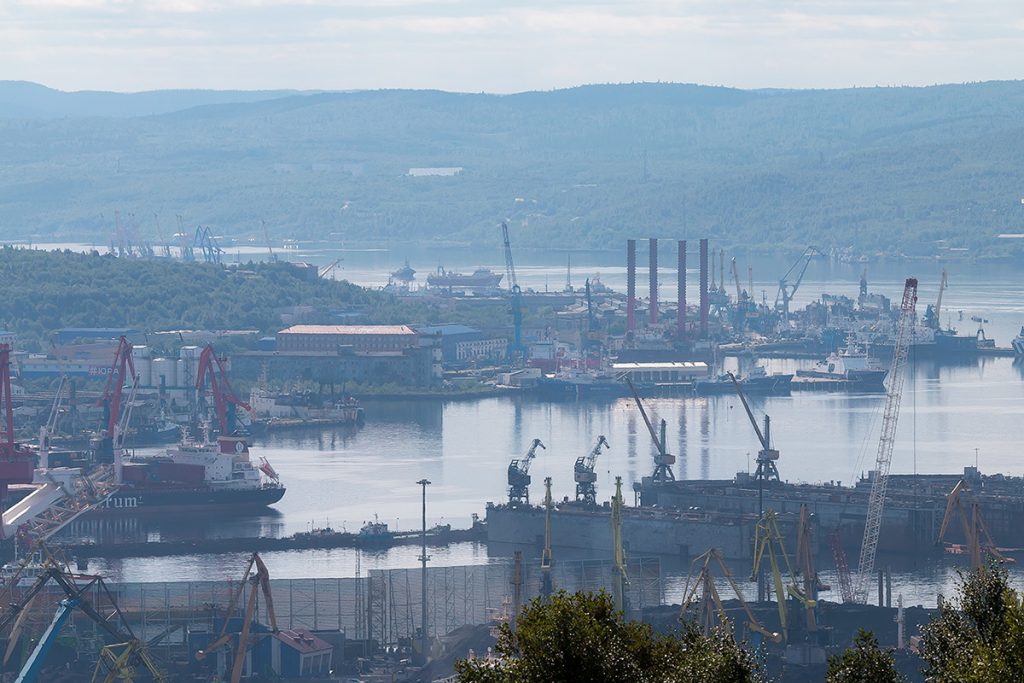
The port is capable of handling only 1.1 million tons per year, compared to 46.3 million in Black Sea ports.
Russia has begun exporting grain through Arctic Murmansk. Strikes on Black Sea ports have halted traditional exports, and in the Baltic Sea, Russian officials “see risks from NATO,” Reuters writes.
On October 28, the Murmansk Commercial Sea Port and Demetra Holding announced the loading of a 3,400-ton grain shipment. According to shipping services, the ship plans to take about 28,000 tons of wheat for delivery to Casablanca, Morocco.
The port has virtually no infrastructure for such cargo. Traditionally, coal, ore, and metals are exported through Murmansk, and specialized grain terminals have not been built there.
The economics of the route itself in the direction of Murmansk are also unprofitable. Grain is transported by rail from the Stavropol Territory, which is about 1,200 km to the Arctic coast, and delivery costs three to five times more than through southern ports.
Murmansk is not even theoretically capable of replacing the Black Sea. The potential transshipment there is 60–90 thousand tons per month, or 0.7–1.1 million tons per year. For comparison: Russia previously exported 46.3 million tons of grain through the ports of the Azov-Black Sea basin. That is, the Arctic direction covers 2–3% of the lost volumes.
Moscow redirected the main flow to the Baltic, where in September the ports processed 1.2 million tons of grain — more than 60% of all sea exports. Companies are re-equipping terminals that previously accepted fertilizers and coal for grain. However, even there, the Kremlin fears the actions of European NATO members.
The reason for the search is the results of the Ukrainian campaign at sea. Since the beginning of July, the Forces of Unmanned Systems have disabled about 300 ships of the “shadow fleet”, and the strikes destroyed grain terminals in Azov and Novorossiysk. In the first 20 days of October, Russian seaborne grain exports fell to 1.135 million tons compared to 4.515 million last year.
Also, the day before, USM reported that Russia was exporting grain through 15 ports instead of 38 due to drone strikes.