
Russia sent pig iron through Murmansk for the first time in 30 years
8.11.2026 - 14:44
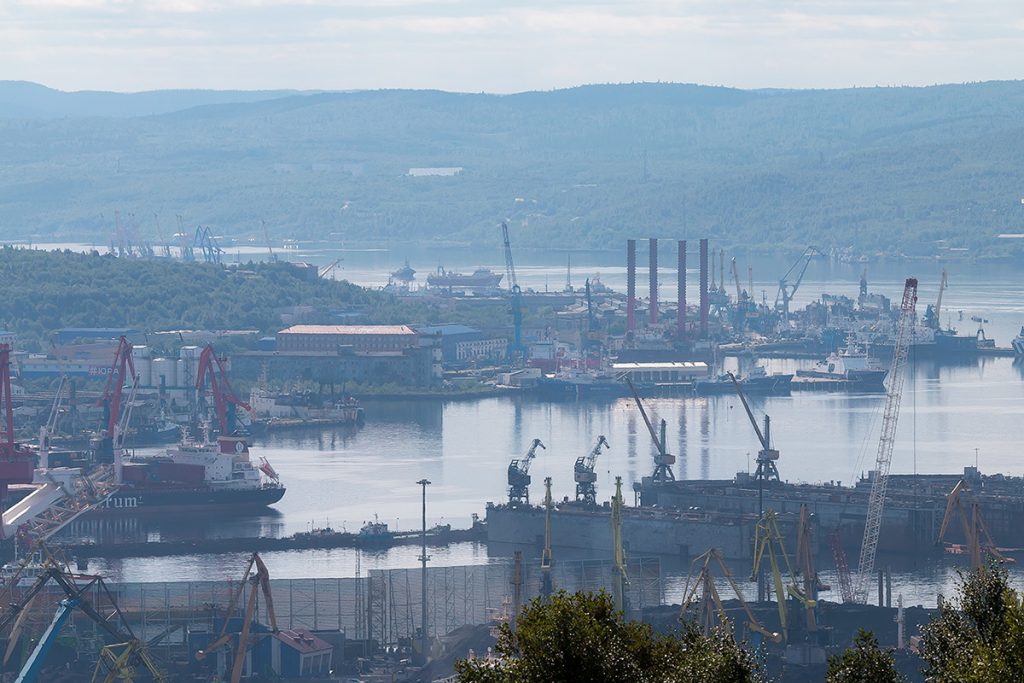
The last shipment of pig iron from the port of Novorossiysk took place on July 31.
For the first time in 30 years, Russia is sending pig iron through the Arctic port of Murmansk, redirecting cargo due to Ukrainian strikes in the Black Sea. This is reported by the Financial Times.
The trial batch is 65 thousand tons. The metal was delivered from the Urals in more than 180 railway cars. The ship is likely to head to Turkey, since the import of Russian pig iron to the EU is prohibited from January 1, 2026.
The port began processing pig iron on October 14 – the first time since 1996. For this purpose, special ladles were manufactured, and the loading and unloading equipment was equipped with electromagnets.
The Arctic route is about ten days longer than the Black Sea route. According to Austin Barnes, a metals analyst at Argus pricing agency, freight from Murmansk to Turkey is almost twice as high as from Black Sea ports.
Some Russian producers are paying $100 per ton more for rail and sea freight alone. At the same time, the redirection of cargo is creating congestion on the Russian Railways network.
Russia has reoriented the main volumes to the Baltic ports, but due to their overloading, some cargo is being sent to more remote regions.
Murmansk has traditionally worked as a center for oil exports. At the end of October, a batch of wheat was sent from there for the first time, and now the port is expanding its metal transshipment. Regular deliveries of pig iron will be considered after the completion of a trial shipment.
Russia is one of the world’s largest exporters of pig iron, along with Brazil and Ukraine. This raw material is used in the steel and foundry industries.
Istanbul-based shipping analyst Yoruk Isik said the difficulty in finding alternative routes is a sign of Russia’s logistical problems. He said it is difficult to change routes quickly due to infrastructure constraints.
As USM previously reported, Russia has lost 94% of its grain shipments through southern ports.