Russia to convert fertilizer and coal terminals into grain due to problems in the Black Sea
22.09.2026 - 09:31
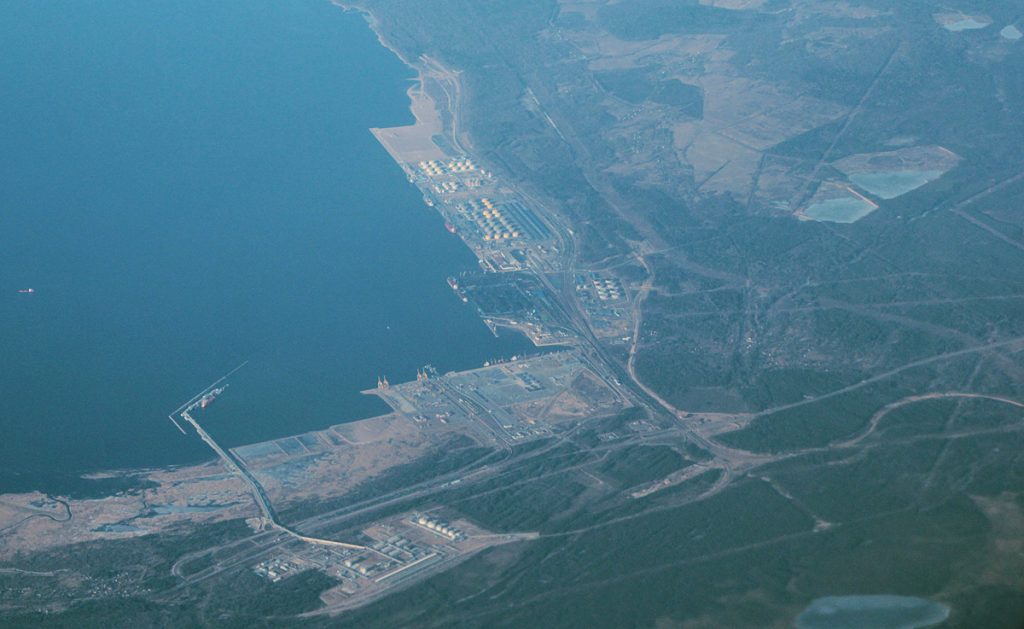
Russian companies have begun retooling terminals for fertilizers, coal and other cargoes in Baltic and Arctic ports to handle grain exports.
Reuters reported this, citing five sources in the shipping and grain industries.
Russian companies are retooling cargo terminals in Baltic and Arctic ports to handle grain after disruptions to exports via the Black Sea.
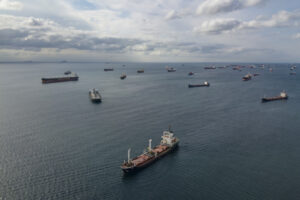
In the previous export season, almost 90% of Russia’s seaborne grain exports went through the Black Sea. However, shipments have fallen sharply in recent months amid attacks on ships and port infrastructure.
One of the new destinations is Ust-Luga on the Baltic Sea. According to Reuters sources, the private Ultramar terminal, which previously specialized in mineral fertilizers, was quickly adapted to handle grain.
Grain transshipment began there in August, although the terminal had not previously handled it. Applications for rail grain shipments to Ultramar in September reached about 260,000 tons. The cargoes are intended for Egypt and Saudi Arabia.
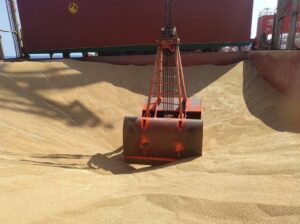
Modul and BSMZ terminals in St. Petersburg, which previously did not specialize in such cargoes, also began to accept grain. According to one of the Reuters interlocutors, Modul can handle up to 70,000 tons of grain in containers per month, although this method of transportation is more expensive.
Re-equipment of the terminals could significantly increase the capabilities of Russia’s Baltic ports. The available grain transshipment capacities there were estimated at only 2-7 million tons per year, while in southern ports they exceed 60 million tons.
In parallel, Russia is trying to develop the grain route through the Arctic. The Murmansk commercial sea port, whose annual capacity reaches 24 million tons, announced preparations to begin grain exports in October. According to one Reuters source, the first 40,000 tons of grain from Stavropol Krai to Murmansk have already been agreed to be delivered by rail.
Murmansk is located about 2,700 km from Novorossiysk, but the port can accommodate large Panamax-class vessels. In addition, the route is considered relatively more protected from risks in the Black and Baltic Seas.
Against the backdrop of the restructuring of logistics, Russian grain exports have already decreased significantly. According to Sovecon, in July-August the Russian Federation exported 4.4 million tons of grain, which is about 31% less than a year earlier. In September, exports may fall by almost half – to 2.45 million tons.
Earlier, USM reported that almost the entire Black Sea has been included in the zone of increased military risk: flight insurance may become more expensive.