Some EU countries oppose certain points of the sanctions package against Russia, — Bloomberg
18.02.2026 - 13:40
Some EU member states are wary of imposing sanctions on ports in Georgia and Indonesia.
The EU’s attempt to increase pressure on Russia through sanctions on foreign ports and banks that Moscow uses to circumvent restrictions on oil trade has met with resistance from several member states, Bloomberg reports.
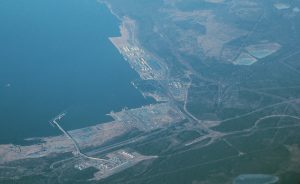
In particular, Italy and Hungary have expressed concern about possible restrictions on the Georgian port of Kulevi. Italy, along with Spain, also oppose the inclusion of a bank in Cuba on the sanctions list. Greece and Malta have reservations about sanctions on one of the ports in Indonesia.
Bloomberg sources explain that the port of Kulevi, among other things, imports gas from Azerbaijan, which raises concerns from an energy security perspective. As for the Cuban bank, it is the only institution on the island that works with foreign currency and serves diplomats and EU citizens.
Skepticism among some states also arose after previous discussions about another part of the package — a proposal to replace the current mechanism for limiting prices for Russian oil with a complete ban on the provision of maritime services related to its transportation. Greece and Malta, which receive profits from the transportation of Russian oil by sea, have previously expressed concerns about this.
According to Bloomberg’s interlocutors, the increase in the number of reservations may complicate the adoption of the 20th package of sanctions or lead to its softening.
At the same time, the European Commission insists on including in the package a ban on the export of machine tools and certain radio equipment to Kyrgyzstan. The EU believes that these goods can be used by Russia for military purposes. Thus, according to media sources, the export of sanctioned technologies from the EU to Kyrgyzstan has increased eightfold since the start of the full-scale war, and subsequent supplies of these products from Kyrgyzstan to Russia have increased tenfold.
The EU plans to agree on a new sanctions package by the end of February. Final agreements on the 20th package of sanctions may be reached after the meetings of EU ambassadors in the Coreper II format. At the same time, its adoption requires unanimous support from all member states, which makes the negotiation process particularly sensitive.
The day before, the Swedish Ministry of Finance stressed that the EU should ban maritime services for sanctioned tankers even without US support.