South Korea supplied fuel to Russia using sanctioned tankers, — The Guardian
2.10.2026 - 11:23
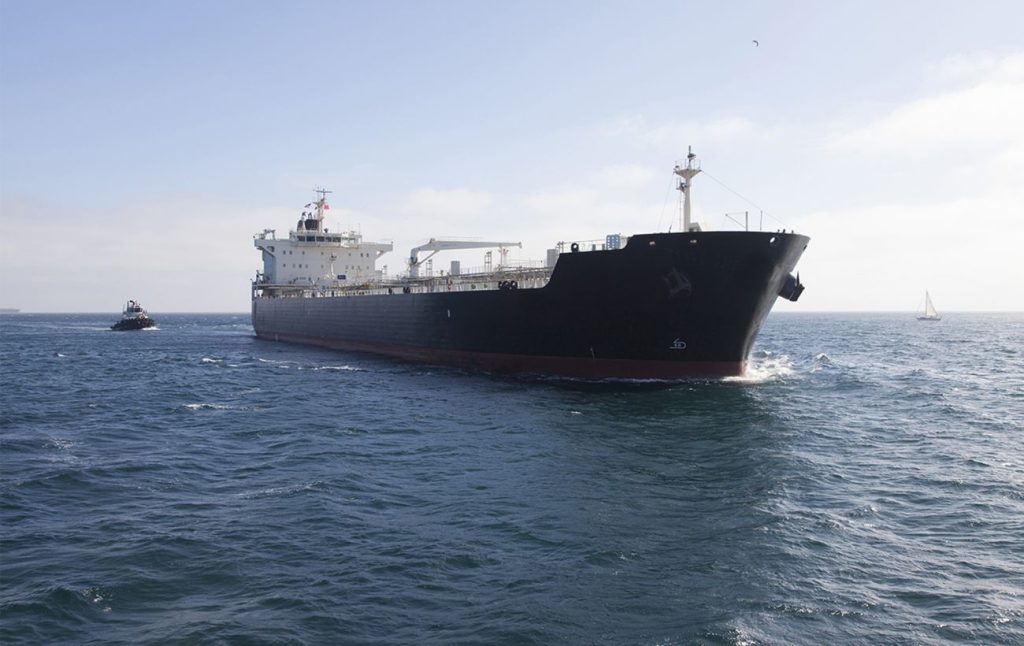
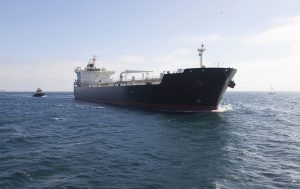
Three of the seven tankers involved are under UK and EU sanctions.
South Korea has been supplying fuel to Russia by tankers, three of which are under UK and EU sanctions, The Guardian reportes, based on an analysis of port records and ship tracking data.
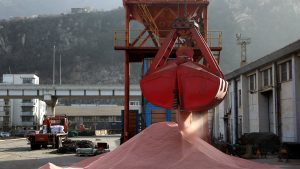
In July and August, more than 176,000 tonnes of fuel, mostly diesel, were loaded onto seven tankers at several South Korean ports. They made 14 trips to the Russian Far East.
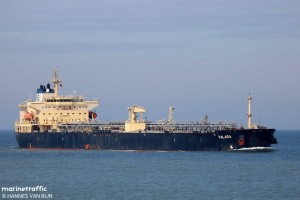
The largest of the sanctioned vessels, the Layla, delivered diesel from Ulsan to Vladivostok twice, on 19 July and 10 August, a total of 57,000 tonnes. On the second trip, the vessel indicated Niigata, Japan, as its destination, but headed for Russia.
The Russian-flagged tanker Astoria, which is also under Australian sanctions, loaded almost 11,000 tons of fuel in Ulsan on August 1. It indicated Japan as its destination, after which it went to Vladivostok.
The third sanctioned tanker, the Chongchon, did not enter the port at all. In early August, it took on about 26,000 tons of fuel from the non-sanctioned Celeste I near the port of Yeosu, indicating Singapore as its destination, and headed for Vladivostok.
Isaac Levy, an analyst at the Center for Research on Energy and Clean Air (CREA), called the situation shocking. “It is shocking that tankers under EU sanctions were loading fuel in South Korean ports and taking it to Russia. This undermines the sanctions regime and South Korea’s support for Ukraine,” he said.
Formally, these shipments probably do not violate South Korean law. Seoul’s own sanctions against Russia mainly concern exports of industrial equipment, electronics and vehicles.
The owners or sellers of the fuel could not be identified – there are no relevant data in South Korean port registers. The owners and operators of the other four tankers did not respond to requests for comment. According to Kpler, buyers included Rosneft and the NNK oil group, whose owner Eduard Khudainatov is also under British sanctions.
The scale of the supplies is significant: South Korea accounted for 112,000 tonnes, or 31% of Russia’s diesel imports during this period. Only India supplied more.
The demand arose from Ukrainian drone strikes on Russian oil refineries. According to the International Energy Agency, in June the throughput of Russian refineries fell to its lowest level in more than 20 years, and diesel production fell by almost 30% year-on-year.
Shipments began to increase rapidly in July, just as President Lee Jae-myung pledged $100 million to rebuild Ukraine at a NATO summit in Turkey.
The South Korean Foreign Ministry did not comment on the shipments or use of the sanctioned tankers when asked. It only said that as a “responsible member of the international community,” the government supports international efforts to end the war in Ukraine.
USM recently reported that Russia is trying to create a new “shadow fleet” to circumvent sanctions.