Soybean amendments, Chornomorsk concession and designation: the most important government decisions of 2025
7.01.2026 - 17:31
Uunsuccessful (fortunately) liquidation of the NABU and the SAPO. The public also actively discussed the “soybean-rapeseed” amendments, the long-term concession of terminals in the port of Chornomorsk, and the risk of removing Medvedchuk’s yacht “Putin’s godfather” from the state control zone.
USM continues the series of materials on what 2025 was like for shipping in the world and Ukraine. In the second material, we recall legislative and political decisions that directly or indirectly affected, including, export and logistics, in particular, maritime transportation.
Soy amendments
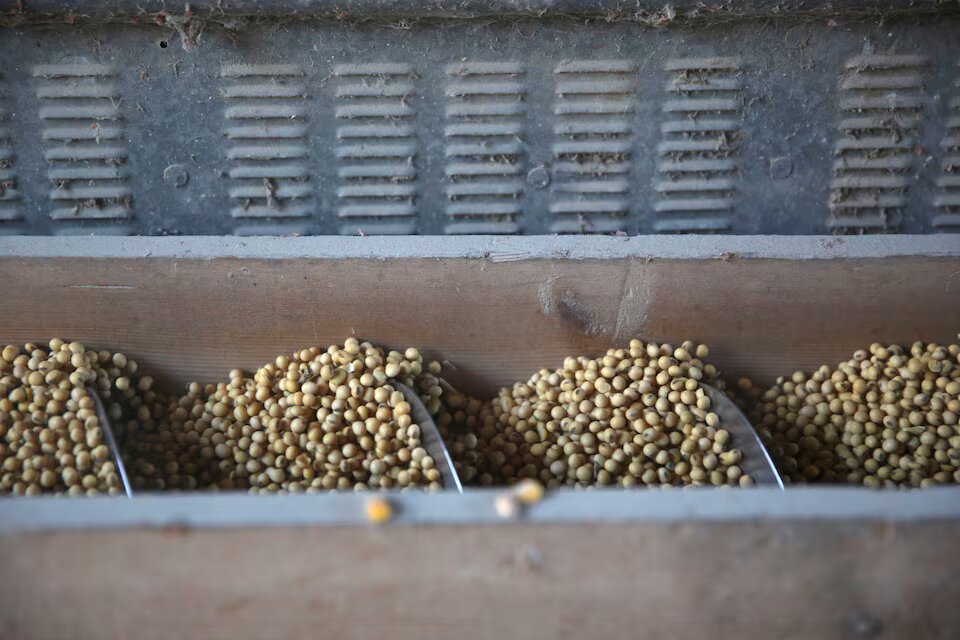
Probably one of the most high-profile events in terms of legislative initiatives in the field of economy was the introduction of amendments to bill No. 13157 regarding a 10% duty on the export of rapeseed and soybeans — the Verkhovna Rada voted on them on July 16, 2025.
The first amendment provides for the introduction of an export duty on oilseeds from the 1st of the month of the adoption of the law. The export duty provided for by the article will not be paid by farmers and agricultural cooperatives that export such products. The second amendment is a “compromise” one (it was demanded by the agrarian committee in exchange for supporting the amendment), and concerns the creation of a fund to support commodity producers.
The introduction of the amendments was opposed, in particular, by the Ukrainian Grain Association and the Nibulon agricultural holding.
In October 2025, the government determined a mechanism for the export of soybeans and rapeseed. In order not to pay the duty, farmers who export their own grown products must obtain a separate expert opinion for each batch of soybeans or rapeseed from the Chamber of Commerce and Industry of Ukraine or regional chambers of commerce and industry.
In early December, the Cabinet of Ministers introduced monitoring of soybean and rapeseed exports “to protect bona fide producers.” The new Procedure defines a monthly monitoring mechanism to be carried out by the Ministry of Economy to verify the compliance of the volumes of exported products with the data contained in the State Agrarian Register (DAR) regarding the actually grown products. If discrepancies are found between the declared and actually grown volumes, the Chamber of Commerce and Industry of Ukraine is obliged to cancel the expert opinions.
The introduction of such a mechanism guarantees that only those exporters who have actually grown the products themselves will benefit from the exemption from paying the export duty, the Ministry of Economy claims.
As a result, the department believes that the export duty on soybeans and rapeseed allowed to maintain the support of farmers in the conditions of war. The Ministry of Economy also assured that the soybean-rapeseed amendments will not apply to other agricultural crops. In turn, traders and farmers remained dissatisfied with the adopted law. Despite the fact that the market was confident in the signing of the draft law, experts noted that the changes bring new challenges to which the state did not give time to adapt.
Concession in Chornomorsk
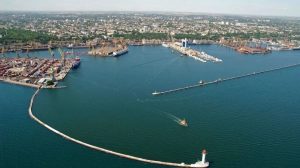
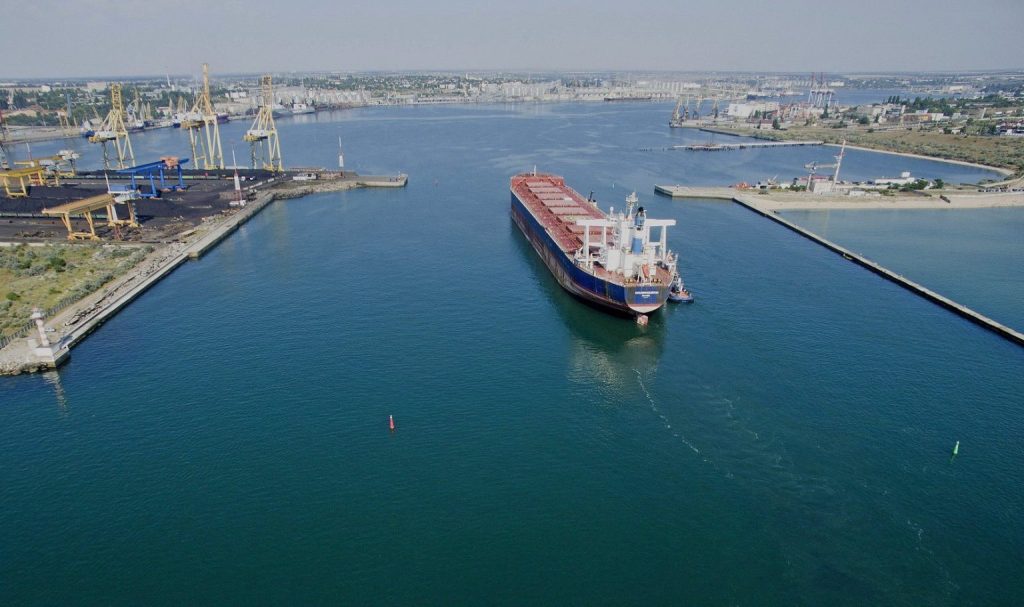
Last year, one of the most notable government initiatives in the field of port infrastructure development and investment was the concession project in the port of Chornomorsk.
In the first half of 2025, the Ministry of Community and Territorial Development worked on preparing a concession project for the first and container terminals of the port of Chornomorsk. Already in April, government representatives presented the concession project at an investment conference in Warsaw. At this meeting, it was recalled that this is a long-term concession for 40 years, covering two terminals: container and universal, with a potential of up to 760 thousand TEU and over 5 million tons of cargo annually.
In parallel, the feasibility study (FEA) for the container terminal has passed internal approval.
In December 2025, the Cabinet of Ministers allowed the port of Chornomorsk to be given a concession for 40 years, bypassing the Prozorro electronic trading system. Previously, the Procedure for Conducting Concession Competitions in the Electronic Trading System provided that from January 1, 2025, all concession competitions, including the publication of documents, were to be carried out exclusively using the Prozorro electronic trading system.
But the Ministry of Development emphasized that so far Prozorro and Prozorro.Sales do not have the necessary functionality to conduct competitions under the new Law. The development of this technical solution and the launch of the electronic trading system for such competitions should be completed within the next 12 months.
At the end of the year, the agency launched a competition for the concession of terminals in the port of Chornomorsk. It is planned that the determination of the concessionaire and the signing of the agreement will take place in the first quarter of 2026.
In parallel with the official progress, critical assessments also emerged. Some experts and media drew attention to the decisions made by the government, which allowed the competition to be held without using the electronic system Prozorro, which could limit transparency and competition in the process of selecting investors.
For example, the president of AMEU shared his opinion on the concession of the terminal in the port of Chornomorsk. Business believes that the project lacks transparency.
Personnel

Dmytro Moskalenko.
2025 began with a shock for personnel policy in the transport sector – the CEO of the Ukrainian Danube Shipping Company, Dmytro Moskalenko, was dismissed from his post. The contract with the CEO of UDS was terminated early.
“During this time, we repaired the fleet, returned assets, settled huge debts, protected real estate in Hungary and Austria, conducted de-offshorization, cleared the company of corruption schemes, and began strategic cooperation with the World Bank Group. For the first time in the years of independence, we launched a fleet modernization program and got the best result! Unfortunately, not everything planned worked out. Many promising investment projects had to be curtailed due to the market crisis and other factors,” Moskalenko noted, describing three years of work at the company.

Oleh Mudrachenko.
Within a few days, the UDS appointed an acting CEO – Oleh Mudrachenko took up the position. It is known that Mudrachenko has been working in the shipping industry since April 2020, he held the position of chief engineer at the UDS. Before that, he worked in the management of the Kiliya Shipbuilding and Ship Repair Plant.
Oleksandr Semyrha.
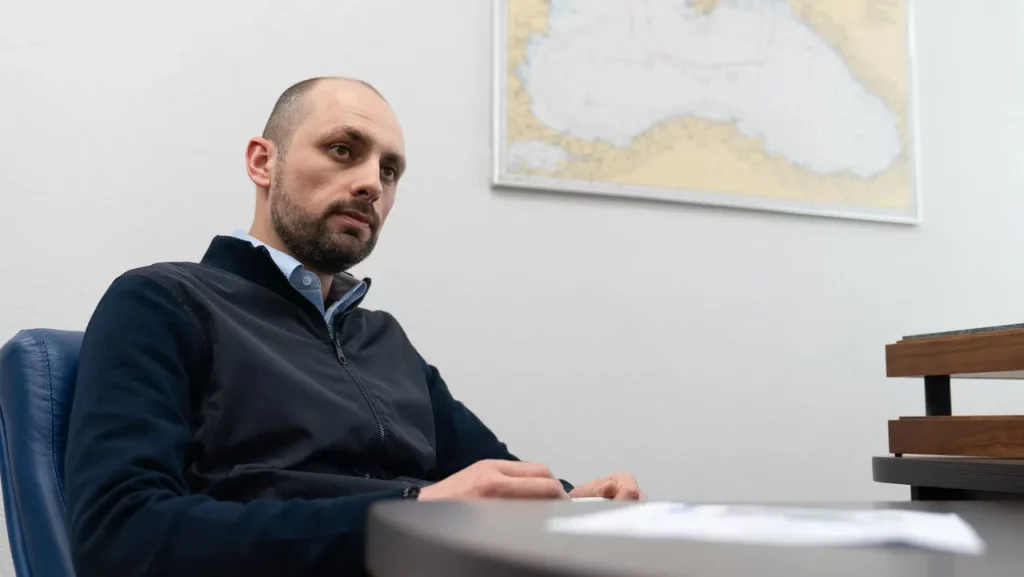
Also in January 2025, the Ministry of Development introduced the new head of the USPA – Oleksandr Semyrha.

Yevhen Ignatenko.
In February, another high-profile personnel reshuffle took place: the Cabinet of Ministers dismissed the head of the State Service of Maritime and Inland Water Transport and Shipping of Ukraine (Shipping Administration) – Yevhen Ignatenko. The duties of the head of the department were temporarily assigned to Mykola Kravchuk.
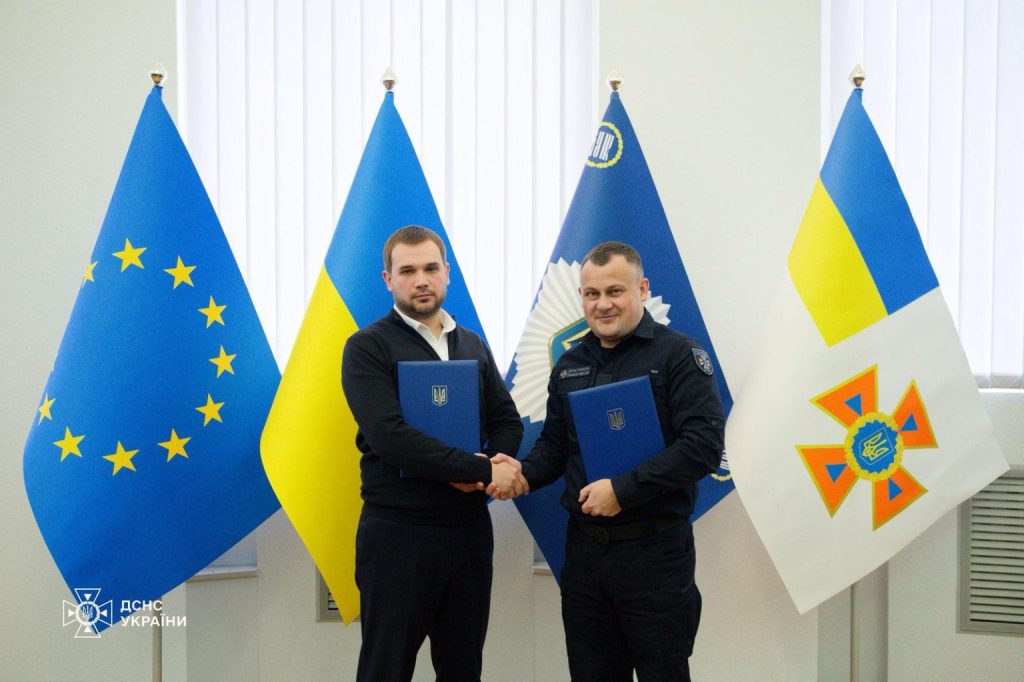
Mykola Kravchuk (left).
At the end of July, the head of ARMA, Olena Duma, resigned. She noted that an international audit of ARMA was ahead, so she allegedly signed a statement to ensure that it was conducted independently. Currently, the temporary acting head of ARMA is Yaroslava Maksymenko.

Olena Duma.
At the end of November, the Ministry of Development began a personnel reset in key state-owned companies in the maritime industry. The first decisions were the dismissal of the management of the Ukrainian Danube Shipping Company (UDS) and preparation for the reform of the Ukrainian Sea Ports Administration (USPA). In parallel, the agency initiated the creation of a supervisory board in USPA to create transparency in corporate governance. As of the end of December, the UDS and USPA had not introduced new managers.

Yaroslava Maksymenko.
Other Initiatives
Freight compensation and support for operators
In early 2025, the government published a draft resolution on guarantees for compensation for damage caused to operators and shipowners as a result of the Russian Federation’s military aggression. The resolution provides for a mechanism for compensation for losses to support the stability of maritime transport.
Approximation to EU standards in transport legislation
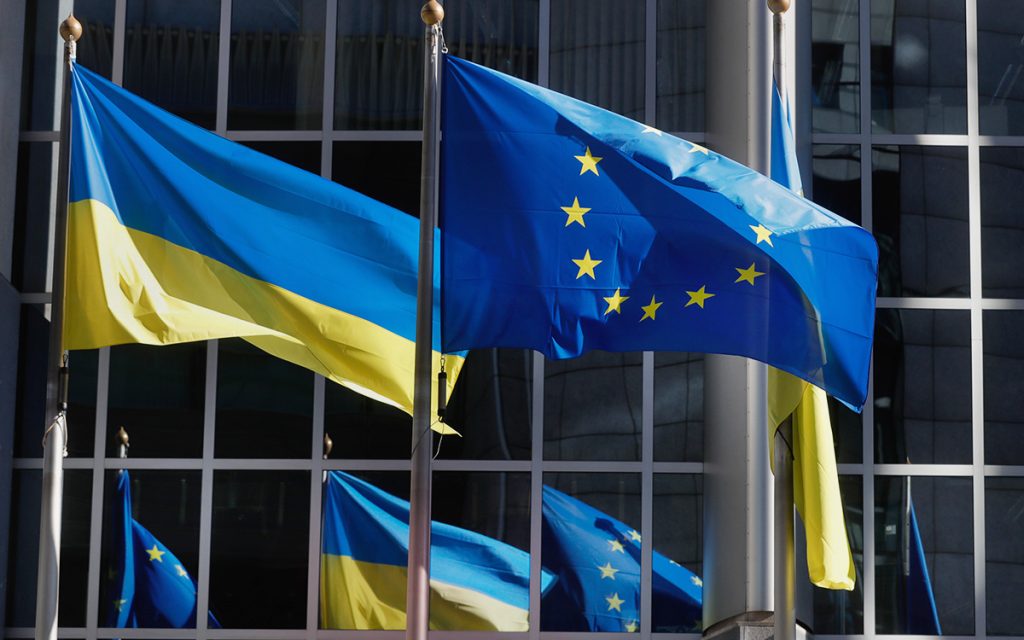
In February 2025, Ukraine began the procedure for pre-screening legislation in the field of maritime transport to make it compliant with EU requirements. This concerned chapters 14 “Transport” and 21 “Trans-European Transport Networks”.
Liberalization of trade with the EU within the framework of the Association Agreement
Last year, changes to the trade regime between Ukraine and the EU came into force, which provided for the abolition or significant reduction of import duties and an increase in tariff quotas for Ukrainian agricultural products on EU markets.
Merger of Ministries
In 2025, the government adopted a decision to reorganize the executive branch, creating the Ministry of Economy, Environment and Agriculture – a structure that absorbed the Ministry of Economy, the Ministry of Agriculture and the Ministry of Environment.
Investments and development of port infrastructure
On August 18, the Ministry of Development presented the draft Government Action Program, the tasks of which, in particular, cover the development of port infrastructure. This involves initiating public-private projects for the restoration and development of the ports of Greater Odessa and the Danube.
Ukrzaliznytsia
In October, the Cabinet of Ministers supported the draft law on the adaptation of UZ to EU standards. The draft law provides for the creation of a modern safety management system, a new model of rolling stock maintenance, uniform rules for drivers and mutual compatibility of infrastructure with EU countries. However, its provisions will come into force three years after adoption to ensure the adaptation of the industry.
Ports and Air Defense
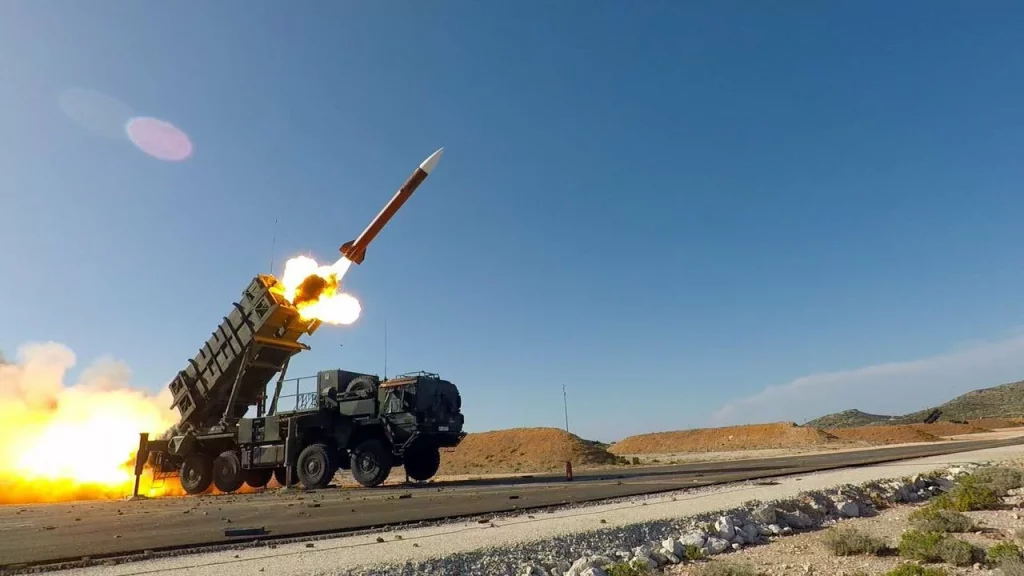
In November 2025, after the Russian Federation intensified attacks on Ukraine’s port infrastructure, the Cabinet of Ministers allowed critical infrastructure enterprises to join the air defense system. Critical infrastructure operators — enterprises that ensure the operation of energy, communications, transport, water supply, and other strategic sectors — can join the project first and foremost.
Legislative reform in the field of shipping
At the end of the year, the Cabinet of Ministers adopted a draft law that should initiate reforms in the shipping industry of Ukraine. The document is part of the implementation of Ukraine’s obligations under the Association Agreement with the EU.
The draft law covers a number of systemic changes: updating the Merchant Shipping Code, including regulating the organization of vessel traffic, implementing the norms of 23 acts of EU legislation, introducing a national single maritime window, and much more.
The first results of the export support regime (RES)
The results of the first year of operation of the export support regime (RES) for agricultural products are also now known – it was introduced at the end of 2024.
Thus, since the launch of the RES, 2,008 payers have used the service, 78,390 tax invoices have been registered for the total volume of supplies – UAH 754.8 billion (excluding VAT) and VAT – UAH 1.86 billion.
In addition, during this period, the budget received more than UAH 575 billion in foreign exchange revenue (in USD – 12.7 billion, at the average exchange rate for the month according to the National Bank).
The Finance Committee of the Verkhovna Rada claims that thanks to the introduction of the RES, the “black grain” market has practically disappeared: mass schemes using “forms 2” have lost their meaning, exports have moved to a transparent tax circuit, and the level of abuse has been minimized. Despite this, business representatives criticized the decision throughout the year.
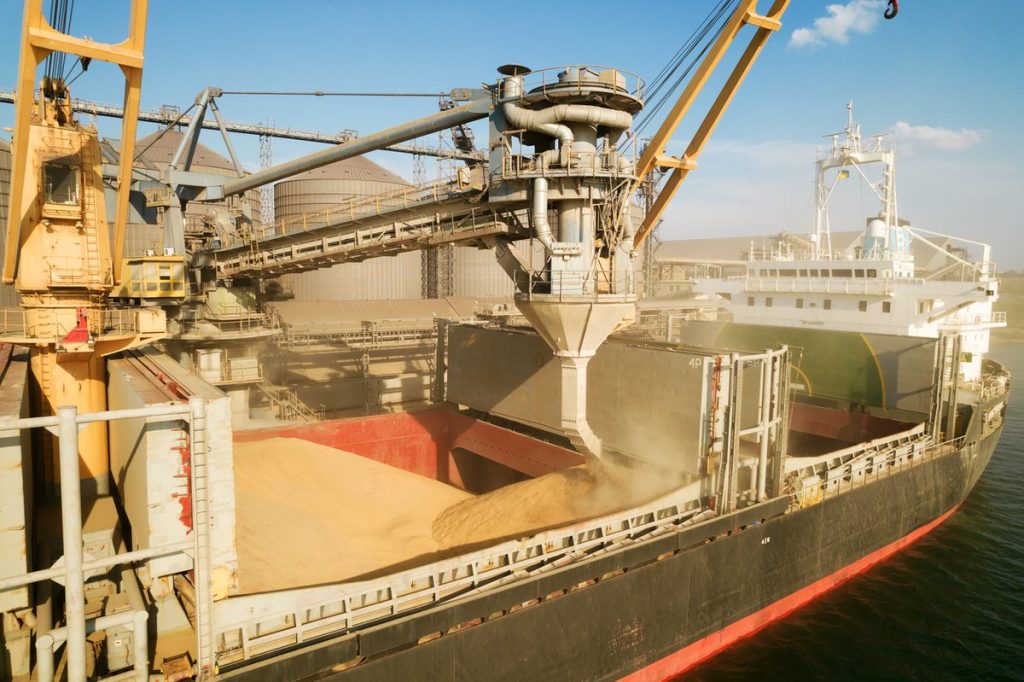
ARMA and the fate of the arrested ships
In 2025, the National Agency for Tracing and Asset Management (ARMA) continued its work on the use of seized assets that are of strategic importance for the economy and the state budget.
Management of seized vessels
In the first half of 2025, ARMA transferred the management of 10 seized vessels to a private manager, the Marinex company. As stated in the National Agency, the key result is the monthly receipts of over UAH 5.7 million to the Ukrainian budget.
ARMA also initiated the renewal of the ban on going to sea for nine seized vessels. The Agency addressed the Prosecutor General’s Office and the State Bureau of Investigation with a letter regarding the submission of a petition to the court to establish a ban on going to sea for nine vessels, as well as the feasibility of changing the method of management for implementation. In particular, regarding the following vessels:
• “Rondo”;
• “Svir”;
• “Avangard”;
• “VolgoBalt 225”;
• “VolgoBalt 193”;
• “VolgoBalt 244”;
• “Omskiy 6”;
• “Naviger 2”;
• “Omskiy 132”.
In the summer, ARMA reported that, together with the Shipping Administration, they had foiled an attempt to hijack the arrested Russian vessel Emmakris III. The agency said that after the order was issued, the manager ignored the demands and attempted to illegally remove the vessel, which contradicts the court decision. Thanks to ARMA’s intervention, the vessel remained in the Ukrainian port.
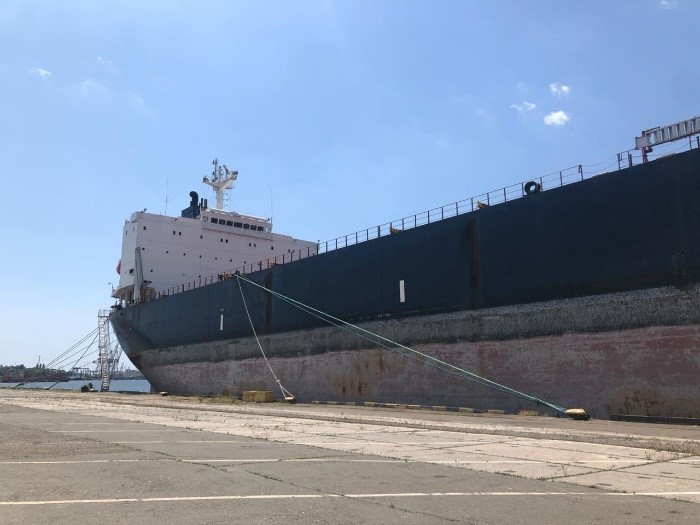
Emmakris III vessel.
In September, the agency reported on the detection of violations in the activities of Marinex, which managed the arrested sea vessels. In particular, due to non-fulfillment of contractual obligations, the state budget received significant funds. According to ARMA, the company did not pay more than UAH 22 million in guarantee payments for the period from April to July 2025. Additionally, more than UAH 2.6 million in penalties, fines and inflation losses were accrued.
At the end of the year, ARMA, on the third attempt, sold the arrested vessel Usko Mfu, which previously exported grain from the temporarily occupied territories, through the Prozorro.Sales system.
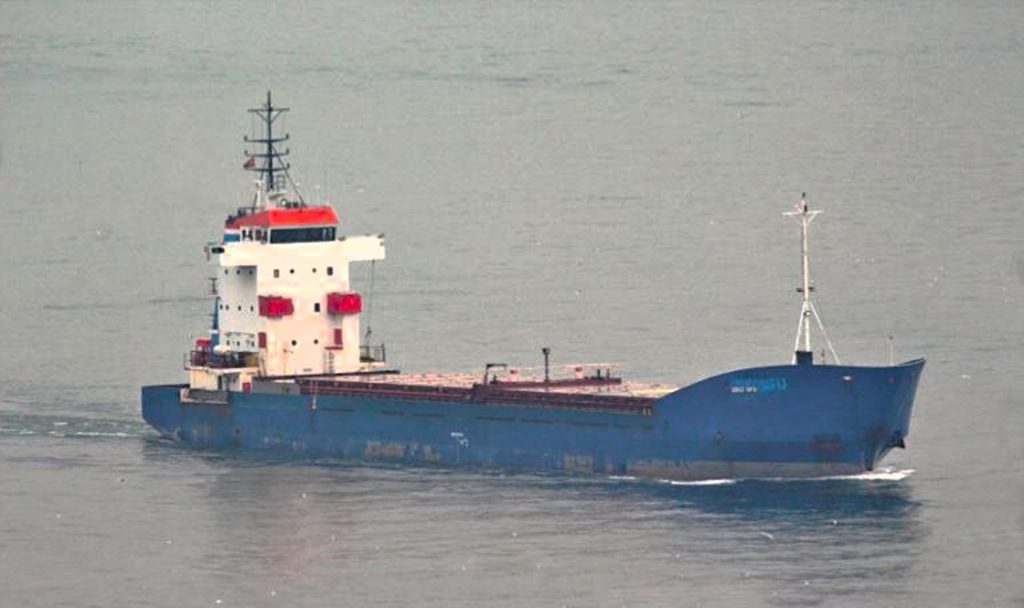
Usko Mfu vessel.
An auction for the sale of the Anka vessel was also planned for the end of the year, but did not take place due to the lack of participants. In addition, the arrested asset came under Russian attack.
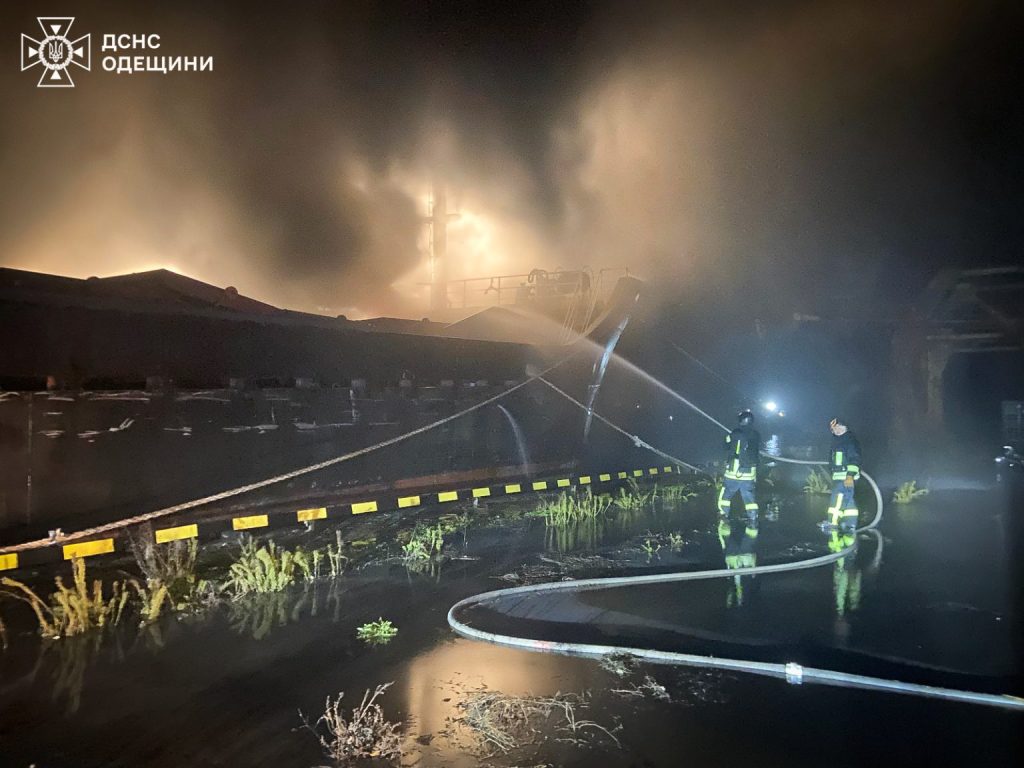
Viktor Medvedchuk’s Royal Romance Yacht
The 92-meter superyacht Royal Romance, which previously belonged to sanctioned politician Viktor Medvedchuk, remains one of the most high-profile assets in the ARMA portfolio.
In 2025, ARMA announced the yacht’s sale. For this, the competition mechanism was used for the first time to sell an arrested asset abroad.
However, the agency faced delays in legalizing the sale — in particular, from the High Anti-Corruption Court (HACC) and the Prosecutor General’s Office.
Because of this, ARMA filed a complaint with the National Anti-Corruption Bureau of Ukraine (NABU) regarding possible abuse of office in the case of the sale of Viktor Medvedchuk’s yacht.
Also in October 2025, ARMA stated that they had prevented the theft of Medvedchuk’s yacht thanks to the intervention of the Defense Intelligence.
Read also: Sale of arrested vessels: how the shipping market reacts to the work of ARMA

Sailors and fleet management
In early 2025, the Shipping Administration stopped registering ships older than 35 years.
Also, a ban on registering ships in the State Ship Register of Ukraine is established for:
• oil tankers that do not meet the requirements for double hull or equivalent design, as well as oil tankers 25 years old or more after the date of delivery of the ship;
• ships that were detained in seaports by port state control inspectors during control more than three times during the last 36 months, immediately before submitting an application for registration in the State Ship Register of Ukraine.
In March, it became known that the Shipping Administration is introducing video recording of inspections in ports. The department emphasized that the inspection of ships in the ports of Ukraine is completely free of charge, and urged to contact the “hotline” or law enforcement agencies in case of demanding payment for the inspection or influencing its results.
The department also updated the list of approved training institutions that train boatmasters of small vessels and jet skis.
At the end of the year, the Shipping Administration issued the first document for boatmasters of EU inland waterways. This decision was made possible within the framework of the transitional mechanism, which is in effect until Ukraine receives the implementing act of the European Commission in accordance with Directive (EU) 2017/2397 on the recognition of professional qualifications in inland navigation.

Read also: A year in the ports of Great Odesa: what challenges did the industry overcome in 2025