The Coordination Council supported the launch of a pilot project for the development of Danube ports
17.03.2026 - 11:09
The initiative provides for a new management model, reinvestment of profits in infrastructure and incentives for transportation to the ports of Izmail and Reni.
This was reported by the press service of the Ministry of Development and Trade.
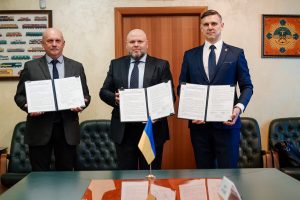
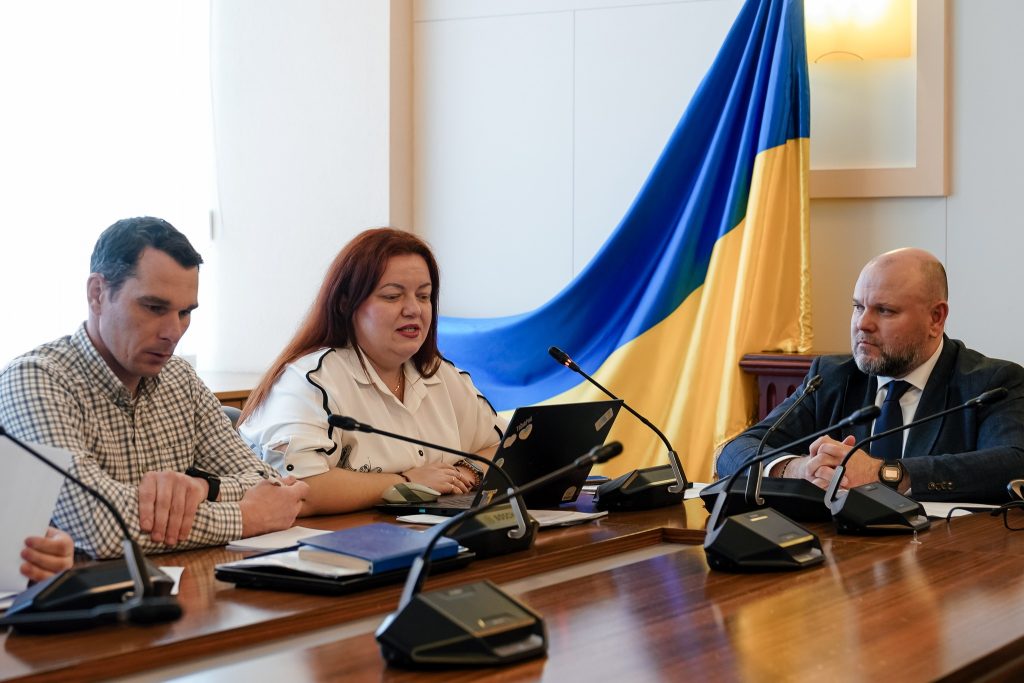
The Coordination Council for the Development of the Competitive Environment in Seaports supported the submission to the Cabinet of Ministers of Ukraine of a proposal to launch a two-year project aimed at increasing the sustainability of logistics routes of the Danube cluster.
Among the key elements of the initiative:
• creation of a single Danube branch of the State Enterprise “USPA”;
• reinvestment of profits of state-owned enterprises in the development of port infrastructure and fleet;
• introduction of tariff incentives and directing port dues to the development of the region;
• stimulation of railway transportation to and from the ports of Izmail and Reni on a compensatory basis.
According to the Deputy Minister for Development of Communites and Territories of Ukraine Andriy Kashuba, this concerns the formation of equal competitive conditions for business, stable operation of 56 stevedoring companies and the growth of guaranteed cargo flow to 2.5 million tons per year.
Separately, the ministry emphasizes the social effect of the project. It is expected that the proposed solutions will allow to preserve about 2 thousand jobs in the maritime complex and more than 3.5 thousand more in JSC “Ukrzaliznytsia”.
Also during the meeting, the achievements on the creation of industrial parks in the ports of Izmail, Reni and on the territory of PrJSC “UDP” were presented. The ministry believes that this should help attract new investments, increase cargo flow and create additional jobs.
The issue of railway logistics to the ports of Greater Odessa was also considered as a separate block at the meeting. Deputy Minister Oleksiy Balesta presented a solution designed to resolve the situation when, due to security risks, Ukrzaliznytsia is forced to use different transportation routes, which increases delivery time and costs.
To do this, they propose to apply tariff distance averaging, which should maintain a single tariff regardless of the cargo delivery route.
Also, as USM wrote, the day before, Ukraine, the EU, Romania and Moldova agreed to strengthen logistics coordination on the Danube.