The number of tankers under sanctions has already exceeded 1,000 units
24.11.2025 - 09:24
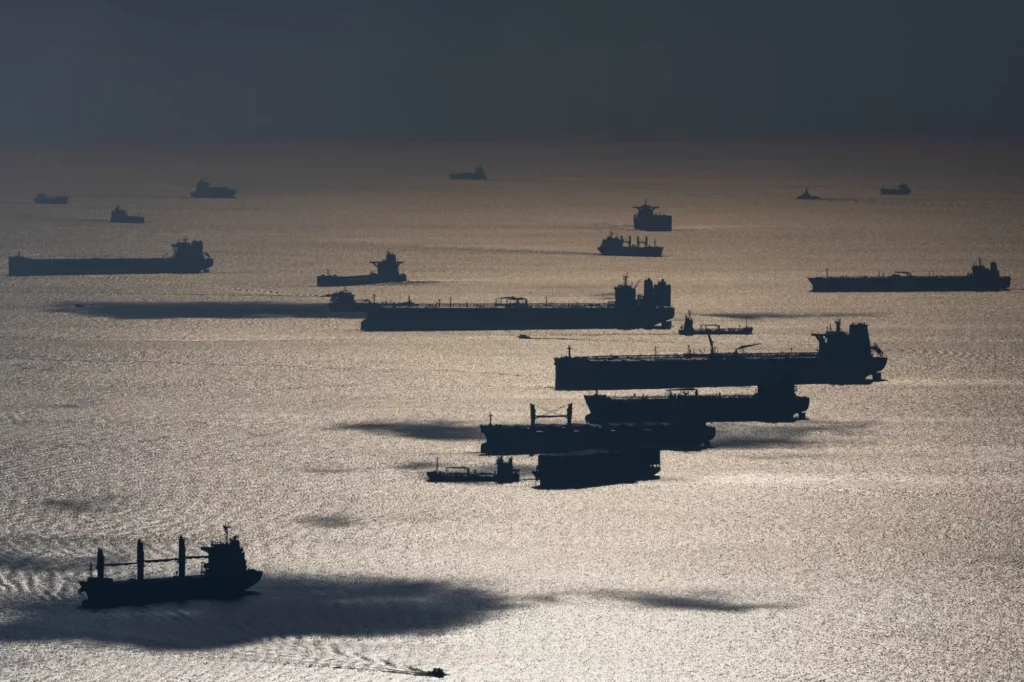
In just nine months of this year, the number of ships under false flags has doubled.
In the third quarter of 2025, the number of ships subject to international sanctions exceeded 1,000 for the first time. Gospodarka Morska writes this with reference to Windward data.
Britain and the European Union jointly added 311 merchant ships to the list of restrictions that illegally transported Russian oil. Currently, more than 540 tankers are under sanctions imposed by the UK government and 480 by the European Union, with 369 ships included in both lists.
Despite this, more than 2,000 ships of the “shadow fleet” are still actively operating in the waters of NATO and EU countries. Tankers transporting LNG, oil and oil products of Russian origin freely enter European ports, bypassing the restrictions.
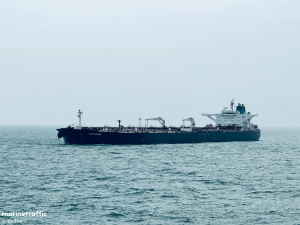
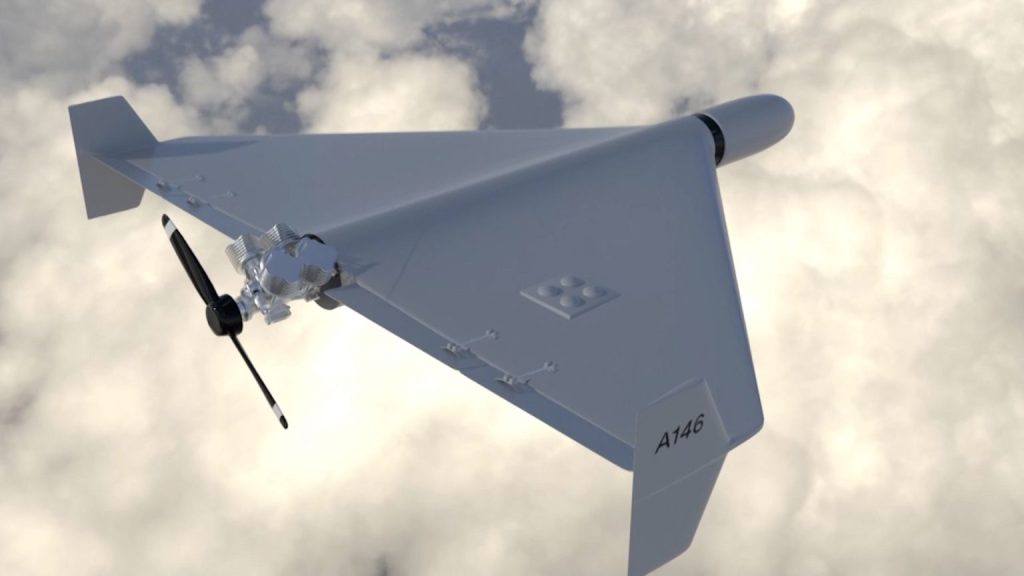
One of the symbols of the “shadow fleet” has become the tanker “Boracay” (IMO 9332810). The vessel has repeatedly changed flags, names and owners, using forged documents. It transported oil from Primorsk, fell under British and EU sanctions, was detained in Estonia for technical violations, and was also suspected of being used as a base for drones that invaded Danish airspace.
Windward analysts tracked that after loading crude oil in the Baltic Sea, the “Boracay” passed through the Suez Canal and unloaded in India, sailing under the flag of Benin.
Most of the vessels circumventing the sanctions are associated with the Indian company Gatik Ship Management, which in two years has become one of the largest operators of the “shadow fleet” in the world. The company manages dozens of old tankers transporting Russian oil.
Its ships have already been stripped of their Lloyd’s Register certification, and insurer American Club has withdrawn its insurance guarantees. Despite this, Gatik tankers continue to sail, often under new flags or under the management of affiliated companies – mainly from Turkey, the UAE, Singapore or the Seychelles.
Windward notes that 91% of the vessels involved in illegal transportation have ties to Russia or Iran. After the lifting of sanctions against Syria, activity in this direction decreased, but shipments from Venezuela increased – by 45% in the third quarter of 2025 alone.
According to analysts, the expansion of sanctions and geopolitical tensions between the US and China will continue to fuel demand for “shadow” transportation schemes. This creates a logistical imbalance and could lead to an increase in freight rates in 2026.
USM previously wrote that the “shadow fleet” was aided by a New Zealand insurer run by a British family.