The US wants to legalize part of the shadow fleet
20.10.2026 - 11:25
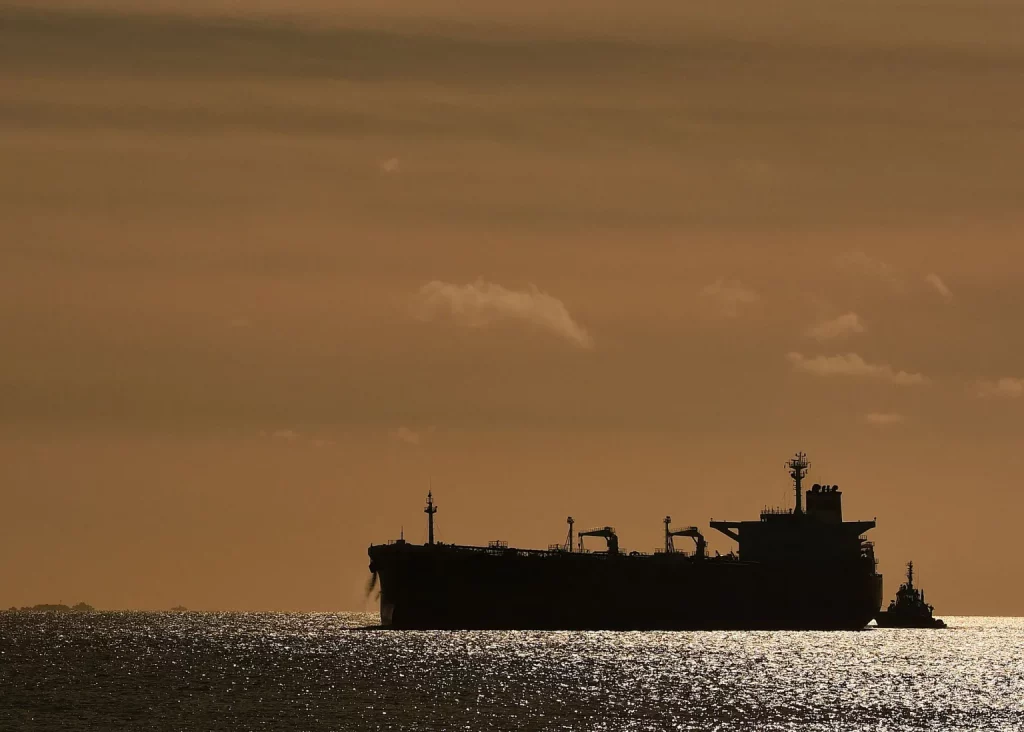
The scheme provides that investors will be able to buy idle sanctioned vessels, repair them and carry only legal oil.
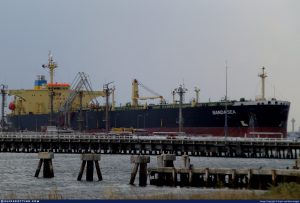
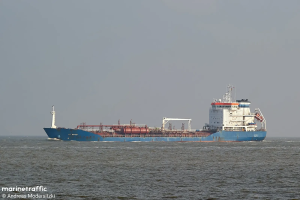
The Trump administration has authorized the sale of sanctioned oil tankers to approved investors. They will be able to repair the vessels and return them to the legal oil trade. This was stated by US Energy Minister Chris Wright, writes Splash.
The government is developing an approval procedure for previously blacklisted vessels. After verification, they will be able to operate under recognized owners, but only transport oil that is not subject to sanctions. The purpose of the decision is to break record freight rates, which have soared due to the crisis in the Strait of Hormuz.
“We’re going to move some of the vessels from what I call the ‘bad guy fleet’ to the ‘good guy fleet,'” Wright said at a Citadel Securities event in New York.
The minister emphasized that this is not the lifting of sanctions on Iranian or Russian oil, but the “transformation of shadow tankers into legal ones.” He estimated that the global shadow fleet numbered about 1,600 tankers, and “dozens” or even “hundreds” of them could eventually return to legal operation.
At the same time, the shipowners’ association INTERTANKO emphasizes that the legalization of a ship does not automatically solve the issues of its technical condition, ownership structure or insurance.
“If additional tanker capacity is required, policy should direct cargo to a quality, compliant fleet,” the association said.
It warned of three specific risks: opaque insurance schemes, weak oversight and a lack of inspection history. All this threatens crews, the environment and coastal states. In addition, such a decision sends the wrong signal to owners who have invested in safety and compliance for years.
However, analysts doubt that the initiative will work at all. Their estimates agree that the actual number of vessels will be small.
Kpler estimates that of the roughly 160 sub-sanctioned VLCCs, only 24 will be able to return to mainstream trade — after taking ownership and age restrictions into account. It emphasizes that the cost of freight is determined by the war risks in the Persian Gulf, and not by the number of available ships. So easing sanctions will only reduce the geopolitical leverage of the US without a tangible result for the market.
Braemar gives an even lower estimate of 19 VLCCs after excluding vessels linked to Iran and European sanctions. Arrow Research counted a maximum of 22 vessels of all types, including 14 VLCCs, and none in the Suezmax or Aframax segments.
USM previously reported that the US is considering easing sanctions against the “shadow fleet”.