“They will reach an agreement with Hungary sooner”: Poland assessed the prospects for the transit of Ukrainian grain
10.08.2026 - 15:16
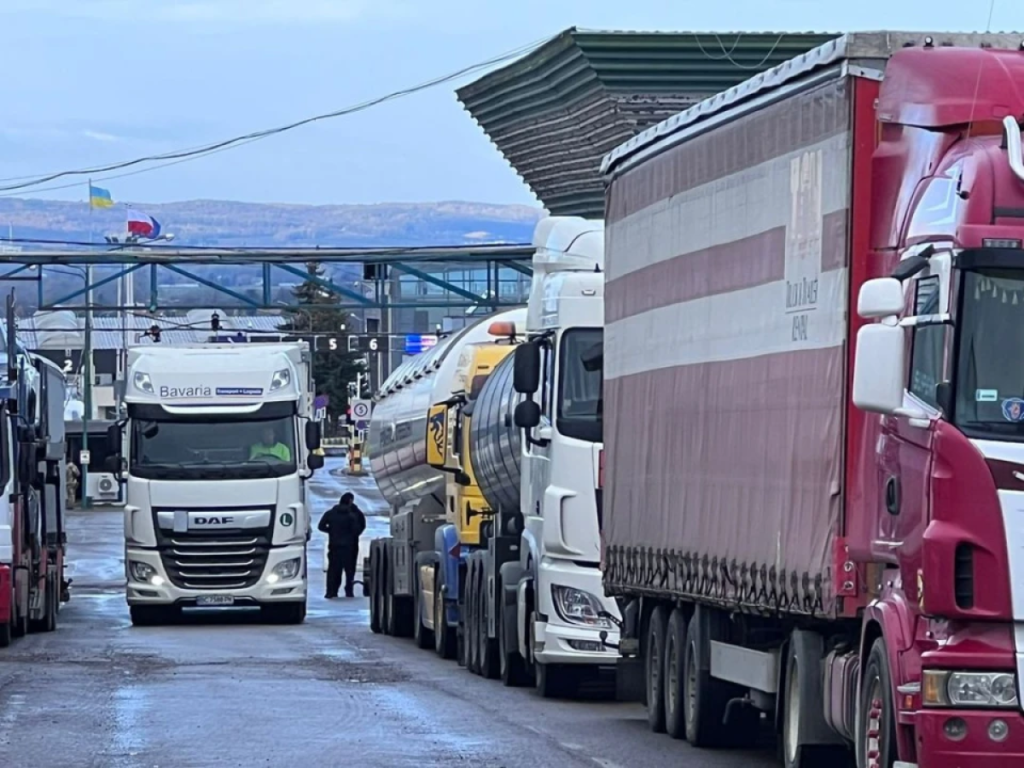
Expanding the transit of Ukrainian agricultural products through Poland may encounter domestic political risks for Warsaw.
Expanding the transit of Ukrainian grain through Poland currently looks politically unlikely. It will be easier for Ukraine to reach appropriate agreements with Hungary, a Polish analyst who wished to remain anonymous told Top Agrar Polska.
“The transit of Ukrainian grain is a political issue, and it will definitely not receive the approval of the Polish government. A year before the parliamentary elections, I do not expect such a step. Ukrainians will come to an agreement with Hungary rather than with Poland,” he noted.
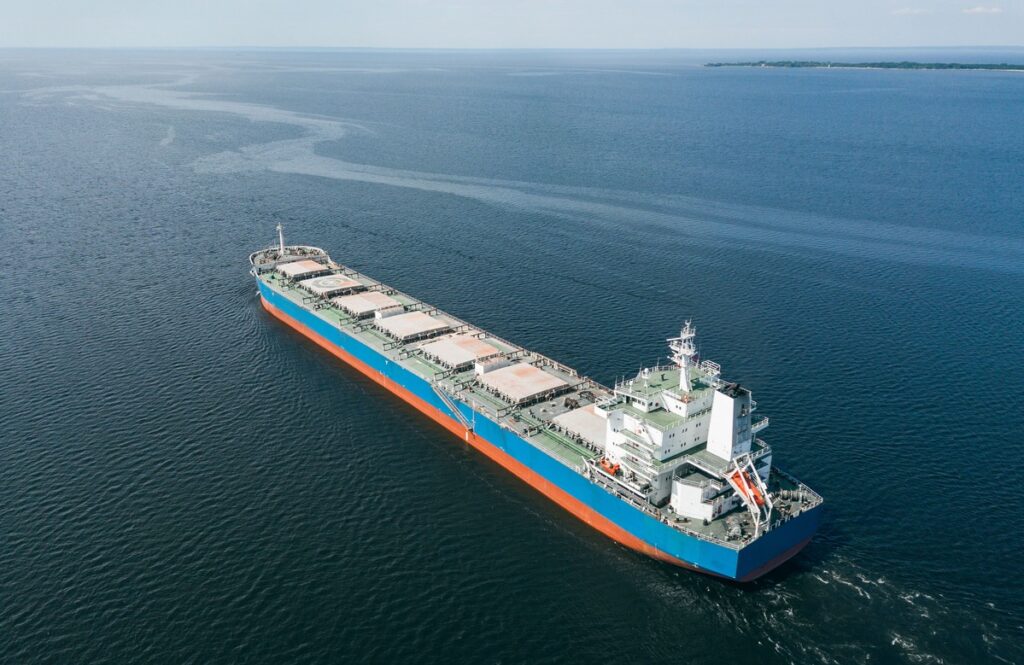
The issue of the transit of Ukrainian agricultural products through neighboring countries has become relevant again after new Russian attacks on the port infrastructure of the Black Sea, which have complicated the export of grain by sea.
Ukrainian Foreign Minister Andriy Sybiha reported that Kyiv is negotiating with Poland, Romania, Moldova, Slovakia and Hungary regarding the use of their railway, road and port infrastructure.
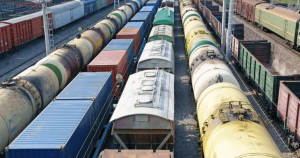
The Ukrainian side emphasizes that this is precisely the transit of agricultural products to ports, from where they should be exported to Africa, Asia and the Middle East. That is, Kyiv seeks to use land routes not as a replacement for sea exports, but as an additional logistics corridor to Black Sea and other ports.
However, Poland fears a repeat of the situation of 2022–2023. At that time, significant volumes of Ukrainian agricultural products, which were supposed to be sent in transit to third countries, remained on the Polish market.
This caused an excess supply and a fall in purchase prices for grain, and later became one of the key factors in the protests of Polish farmers.
The head of the board of the Polish Association of Grain Producers, Justyna Jasinska, said that Polish farmers do not deny the need to support Ukraine, but oppose decisions that could create additional pressure on the Polish agricultural market.
According to her, Polish farmers are still feeling the consequences of the situation with Ukrainian grain in 2023, and the surpluses of products that then remained on the domestic market continue to affect the profitability of farms.
“We need to know what the scale of transportation will be and what consequences they will have for our market. If Poland participates in such a project again, farmers expect specific security guarantees,” said Jasinska.
As USM wrote, in early July, rail deliveries of grain to the ports of Great Odesa decreased by more than sixfold, and part of the flows were reoriented to the western border and the Danube.