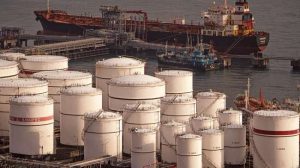
Ukrainian agricultural sector will enter the new season with a surplus of grain due to shelling of ports, — “Nibulon”
27.02.2026 - 15:30

The Ukrainian agricultural sector will enter the new marketing year with a surplus of grain due to a slowdown in exports amid shelling of ports.
This was stated by Volodymyr Slavinskyy, Director of Trade and Logistics of LLC “SP “Nibulon”, Interfax-Ukraine reports.
“We will move into the next marketing new year with larger than expected liquid balances, unfortunately, or we will all be forced together — traders, agricultural producers — to discount on foreign markets in order to ensure the shipment of our products,” he said at the Forbes Agro conference in Kyiv on February 26.
Slavinsky noted that due to the high level of uncertainty, business is forced to build logistics, laying reserves at each link and preparing an “Excel grid” in all directions.
Currently, the agricultural holding “Nibulon” plans shipments for two to three months in advance, but this program provides for a constant “plan B”. The company is ready to change up to 70-80% of processes during execution – regarding ports of shipment or modes of transport, in order to maintain flexibility and fulfill obligations to buyers.
A representative of Nibulon noted that the main factor in the unpredictability of agricultural exports through seaports remains shelling of infrastructure. In particular, in December and January, due to attacks on the power system and constant alarms, the work of terminals practically stopped. There were cases when air strikes in the port area lasted up to 20 hours a day, and the terminal could physically operate for no more than four hours. The inability to comply with load standards is transformed into losses for the entire chain.
Slavinsky advised agricultural producers to build logistics in such a way as to immediately lay down reserves in case of unforeseen events.
USM previously reported that shelling of ports leads to the accumulation of about 10 million tons of grain.