A laboratory in Lithuania and satellites: how Ukraine tracks stolen grain
20.05.2026 - 12:48
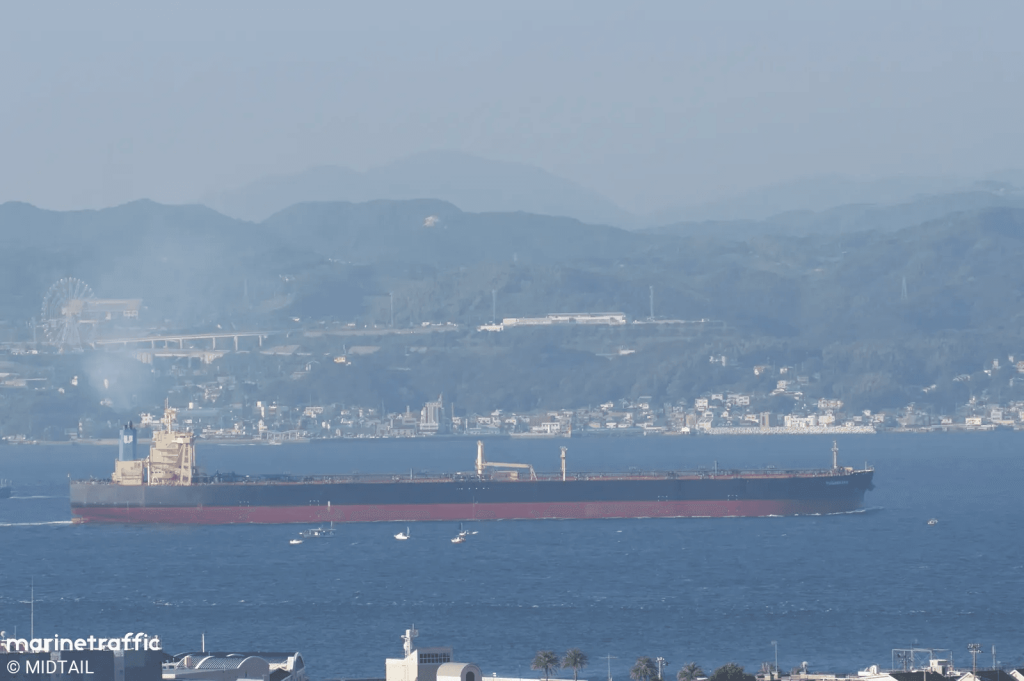
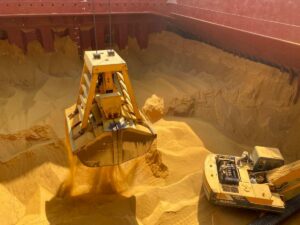
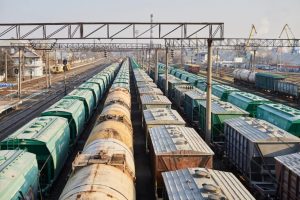
Ukraine has learned to almost unmistakably detect grain stolen by Russia from temporarily occupied territories, even after mixing.
Ukraine, together with partners from Great Britain and Lithuania, has created a system for detecting grain illegally exported from occupied territories. This was reported by Deputy Minister of Economy, Environment and Agriculture Taras Vysotsky in an interview with DW.
According to him, within the framework of an international project, a database of grain samples from temporarily occupied regions of Ukraine was formed. These samples are stored in the state seed bank and contain unique markers related to climatic conditions, soil type and other characteristics of the place of cultivation.
“Based on these markers, a database has been developed that allows us to establish with a probability close to 100% whether a particular grain comes from specific territories,” Vysotsky noted.
The technology and equipment were provided by Great Britain, and the laboratory itself is located in Lithuania. Its location near the port infrastructure allows for the prompt inspection of suspicious batches of grain arriving by sea.
According to Vysotsky, the system can even detect mixed grain if the share of products from the occupied territories exceeds 10%.
“The technology is quite accurate, and if you mix 50% to 50%, it will definitely detect it. If 5% is from the occupied territories and 95% from another place, the probability of detection decreases. But there is no economic benefit from such mixing,” the official explained.
In addition to laboratory analysis, Ukraine uses satellite data. In particular, one of the key indicators is the loading of ships in the ports of temporarily occupied Crimea, Berdyansk or Mariupol. Such flights may indicate the illegal origin of the cargo.
According to Vysotsky, there are currently several dozen inspections, since each case causes significant international resonance. The initiators of the investigations can be both Ukrainian law enforcement agencies and international partners or certification structures.
Separately, the official confirmed that Ukraine continues to cooperate with Israel regarding ships that delivered grain that may have originated from the occupied territories. In particular, an inspection is underway regarding the bulk carriers Abinsk and Panormitis, which headed to Israeli ports in the spring with large consignments of Russian grain.
As USM recently wrote, after Israel, Turkey probably also refused to accept the Russian ship Panormitis with stolen grain.