Russia resumes oil exports via Novorossiysk after drone attacks, — Bloomberg
20.05.2026 - 11:43
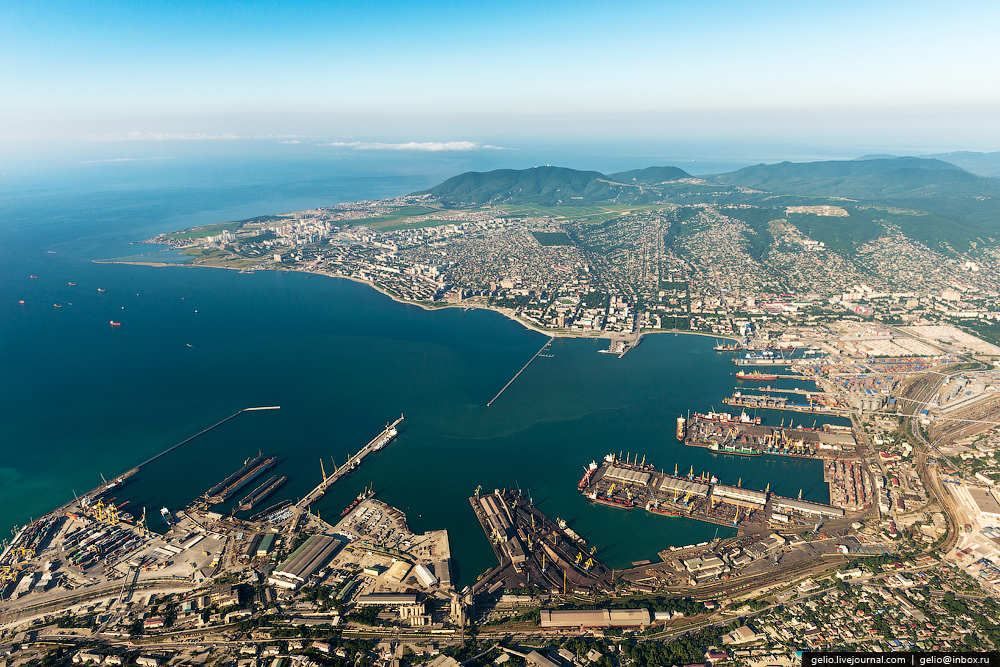
Russia has significantly increased seaborne oil exports through the port of Novorossiysk after all oil berths resumed operation.
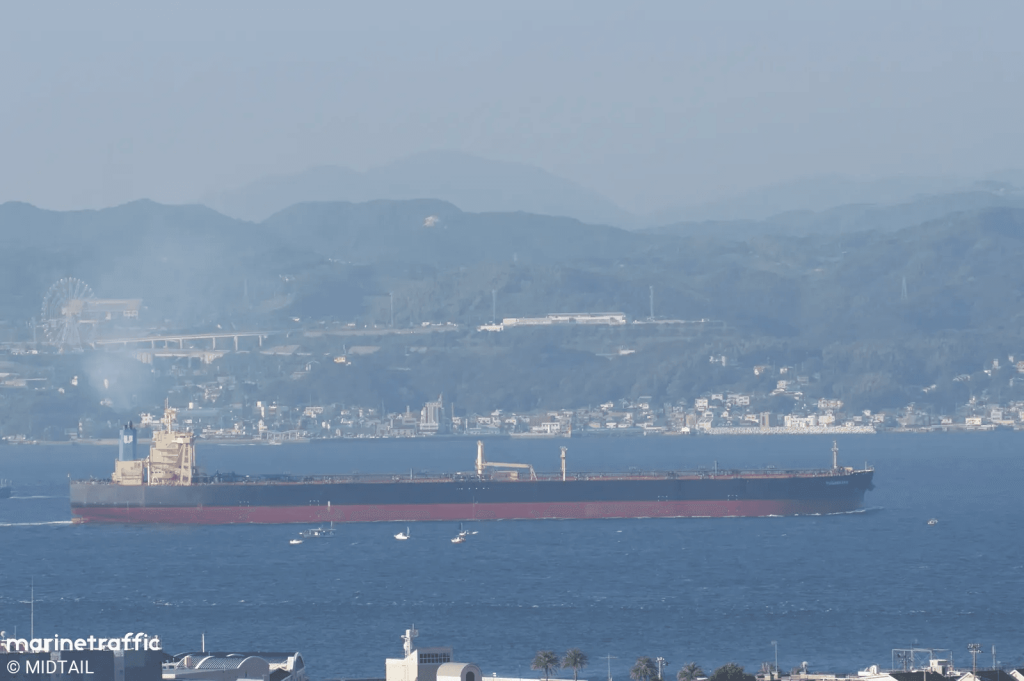
Russian oil exports through the Black Sea port of Novorossiysk have increased significantly after all oil berths returned to operation for the first time since early April, Bloomberg reports.
According to the agency, in the four weeks to May 17, the average volume of Russian seaborne oil exports was 3.61 million barrels per day. For comparison, a week earlier this figure was 3.64 million barrels per day, meaning the overall level of exports remained stable, although weekly shipments increased.
Satellite images from May 13 recorded a tanker near Berth 1A in Novorossiysk. This is the first time this terminal has been used since April 2, when it was damaged as a result of an attack by Ukrainian drones.
In the week to May 17, Russia shipped 25.66 million barrels of oil on 34 tankers. A week earlier, this figure was 21.94 million barrels. Thus, average daily exports increased from 3.13 million to 3.67 million barrels.
Bloomberg notes that Russian oil exports have become particularly important for Asian buyers against the backdrop of disruptions in supplies from the Persian Gulf. In the four weeks to May 17, supplies to Asian countries were estimated at 3.44 million barrels per day. Of this volume, about 760 thousand barrels per day fell to China, another 900 thousand to India.
Another 1.76 million barrels per day are on tankers that have not yet indicated their final destination. This is typical of Russian trade through the so-called shadow fleet.
At the same time, supplies to Turkey fell to 100 thousand barrels per day – the lowest level since April 2023. Deliveries to Syria remained at 61,000 barrels per day.
As a reminder, in April, Ukrainian strikes on Novorossiysk damaged the Sheskharis terminal, one of the key facilities for transshipment of Russian oil in the Black Sea. After that, the port operated only partially for some time, and shipments were carried out from a limited number of berths.
Meanwhile, due to the crisis in the Middle East, Britain will temporarily allow the import of fuel made from Rosneft in third countries.