Greece blocks 21st EU sanctions package against Russia over Greek gas carrier
16.07.2026 - 12:40
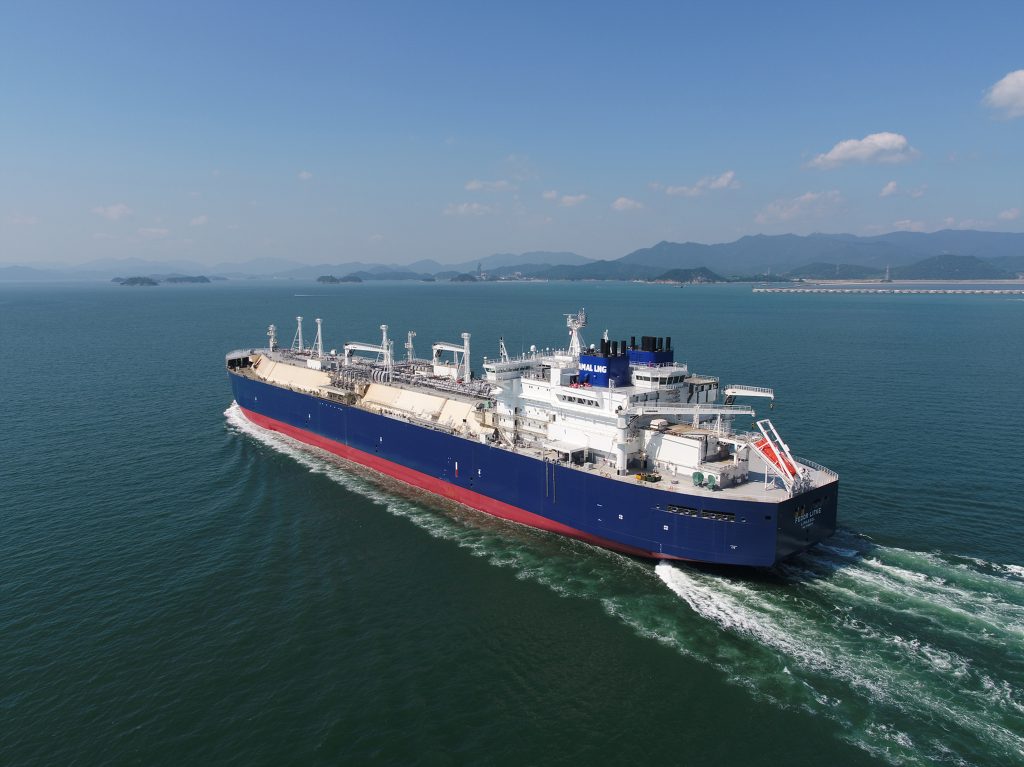
Greece has opposed a ban on the transport of Russian LNG to third countries – it could destroy the business of Greek tycoon George Prokopio.
Greece is blocking the adoption of the 21st package of EU sanctions against Russia. The Financial Times reports this, citing sources.
The reason is the interests of one shipping company. On July 15, Greece’s permanent representative to the EU told colleagues that the planned sanctions could “destroy” Greek tycoon George Prokopio’s company Dynagas. This concerns a ban on the transport of Russian liquefied gas to third countries. Two other sources confirmed to the FT that it is because of Dynagas that Athens is not supporting the package.
Dynagas operates a fleet of 27 gas carriers. About a third of them are specialized Arc7-class tankers. These vessels are built to operate in the Arctic crisis and serve the Russian Yamal LNG project. Greece claims that it is practically impossible to transfer such tankers to other routes. In the event of sanctions, the company will be forced to sell them to buyers outside the West. The cost of one such vessel is about $300 million.
The scale of the business is significant. According to the FT’s calculations based on Kpler data, since the beginning of 2025 Dynagas has transported more than 10 million tons of Russian LNG. That’s 144 voyages on 11 vessels. Prokopio also controls the oil carrier Dynacom. Over the past three years, it has earned at least $915 million from trading Russian oil — more than any other Greek shipping company.
Greece’s position has wider implications. The sanctions package requires the unanimous consent of all EU members, so one rejection is enough to block it. As a result, the entire package has been frozen for a week now — including sanctions against additional Russian banks, crypto networks and defense companies. The document also contains a mechanism for lowering the price ceiling for Russian oil. Due to the delay, the EU was forced to urgently extend the current ceiling for another week.
The situation exposes a structural vulnerability. Year-round exports from Yamal LNG are provided by only about 15 Arc7-class tankers, and most of them are controlled by European companies. This makes Russia’s Arctic gas trade dependent on any Western decisions regarding these vessels.
USM previously reported that Greek companies earned almost $4 billion from transporting Russian oil in three years.