Kernel introduces new anti-crisis solutions for grain storage
21.09.2026 - 14:12
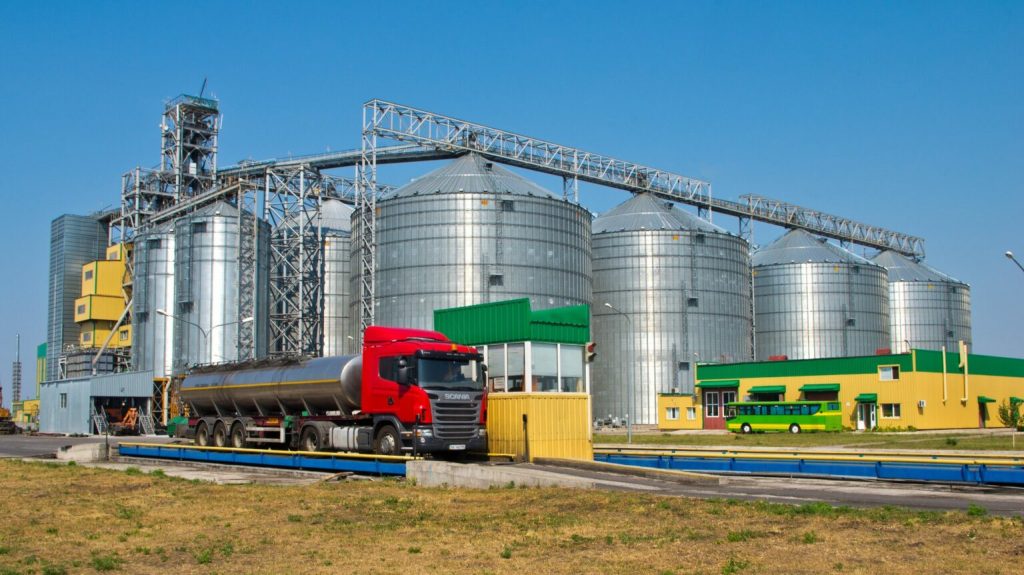
Agroholding Kernel became the initiator and the first test site for the development of a new type of modular granary.
Created by a Ukrainian manufacturer at the request of the company, the solution allows deploying additional capacity in a matter of days, the company’s press service said.
The need for flexible storage solutions has increased due to unstable exports in the face of constant attacks on the logistics infrastructure. When grain remains in the country for a longer period of time, agricultural producers and elevators need the ability to quickly increase storage volumes without building new stationary capacities.
“Kernel took on the risks of piloting and finalizing test samples. Other participants in the agricultural market are already ordering the development,” the message said.
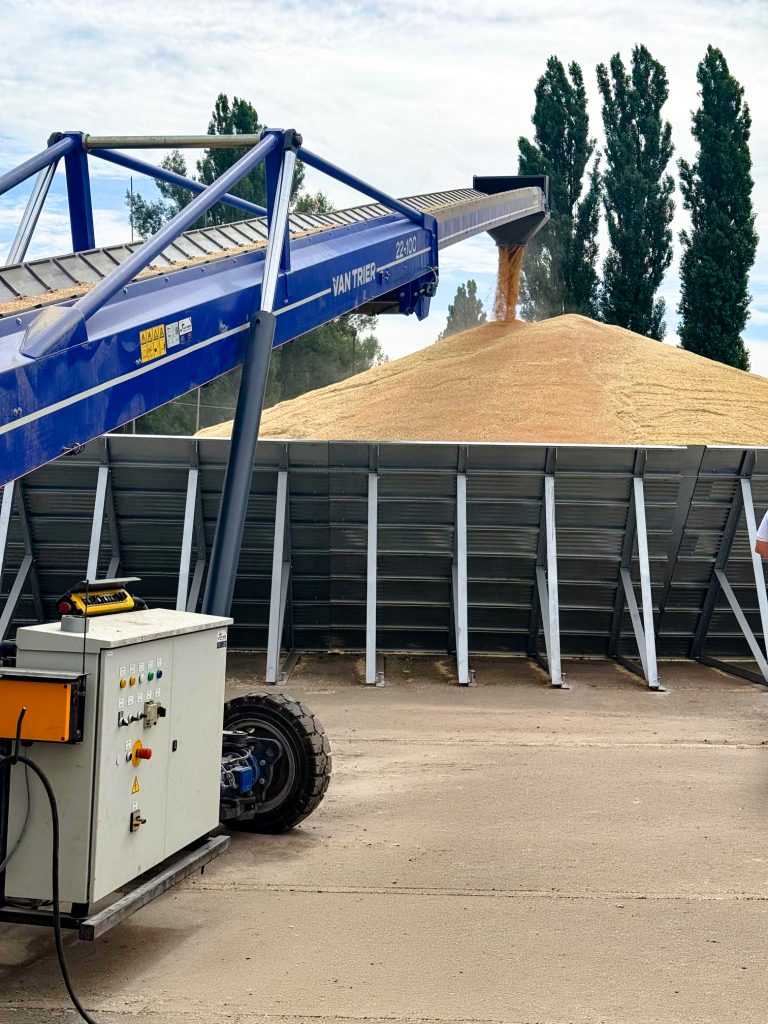
The first modular storage, which Kernel assembled in four days, was loaded with 3,400 tons of grain in the next two. Subsequent structures can be deployed faster due to the reuse of already assembled elements.
The new solution has several advantages:
• In an area where polymer sleeves can accommodate a maximum of 1,000 tons of grain, a modular storage facility can hold 3.5 times more.
• The modules take up less space, can be installed on hard-surfaced sites, and are less dependent on weather conditions.
• The structures are reusable — they are easy to assemble/disassemble and move.
“We operate the largest network of elevators in Ukraine and want to support the entire market. Our scale allows us to take on the role of industry R&D: to formulate technical specifications for Ukrainian producers, test prototypes on a large scale, and finalize the economics in practice. In essence, we take on the risks of a pioneer so that the agricultural market receives a ready-made, field-tested solution that will preserve grain at a critical moment and save the business of many producers,” said Serhiy Shcherban, head of the Kernel storage department.
The company has already purchased such storage facilities, which will increase the total storage capacity by 40 thousand tons. The company plans to use them not only for its own harvest.
It should be noted that additional capacities will also be available for storing grain from other agricultural producers.