Stevedoring company put up for sale in the port of Reni: what is known
28.09.2026 - 13:32
The port of Reni is selling 100% of a stevedoring company focused on working with grain cargo. The cost of the asset is not disclosed.
According to InVenture, this is a ready-made infrastructure asset in the segment of port logistics and grain cargo transshipment.
The company has the status of a port operator and provides access to the port’s sea and river berths. The company also has the status of a subject of the Reni SEZ, within the framework of which an investment project for the reconstruction of the terminal has already been approved.
The asset is focused on working with grain cargo and can provide an estimated transshipment capacity of up to 350 thousand tons per year. The area of the leased land plot is 7,500 sq. m.
The depth of the berths allows handling both river fleet and sea vessels up to 15 thousand tons.
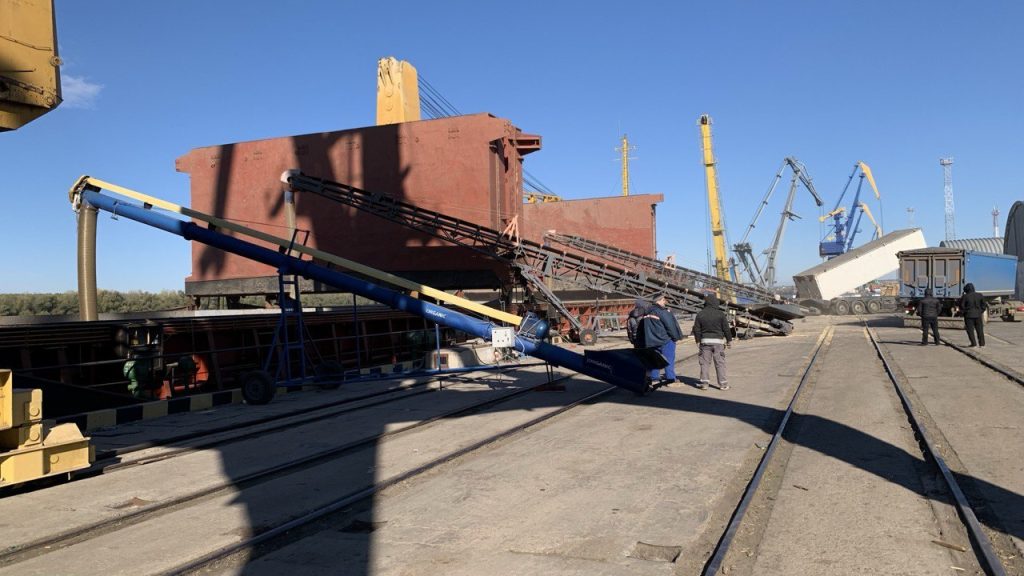
The asset includes a floor storage warehouse with an area of 2 thousand sq. m and a height of 12 m. Its simultaneous capacity is about 4.5 thousand tons of wheat. It provides cargo reception by dump trucks, as well as through grain throwers and conveyors. The facility is located on the territory of the second cargo area of the Reniysky MTP, approximately 500 m from the berths.
To work with grain, the company has 7 screw and 2 belt conveyors, two ZM-100 grain throwers, as well as two JCB telescopic loaders with grain buckets.
The enterprise is also equipped with truck scales with a lifting capacity of 80 tons and a length of 22 m. There are another new scales on the territory that can be put into operation within the framework of the investment project.
“A railway track runs along the warehouse and the leased land plot, which makes it possible to organize the front of unloading wagons and expand the logistics capabilities of the enterprise,” the InVenture website says.
The investment project for the reconstruction of the terminal involves the installation of a silo park with a capacity of about 11 thousand tons and the organization of an automated front for unloading wagons into the warehouse.