Russia allows grain tankers to leave Sea of Azov for first time since July — Bloomberg
29.10.2026 - 10:08
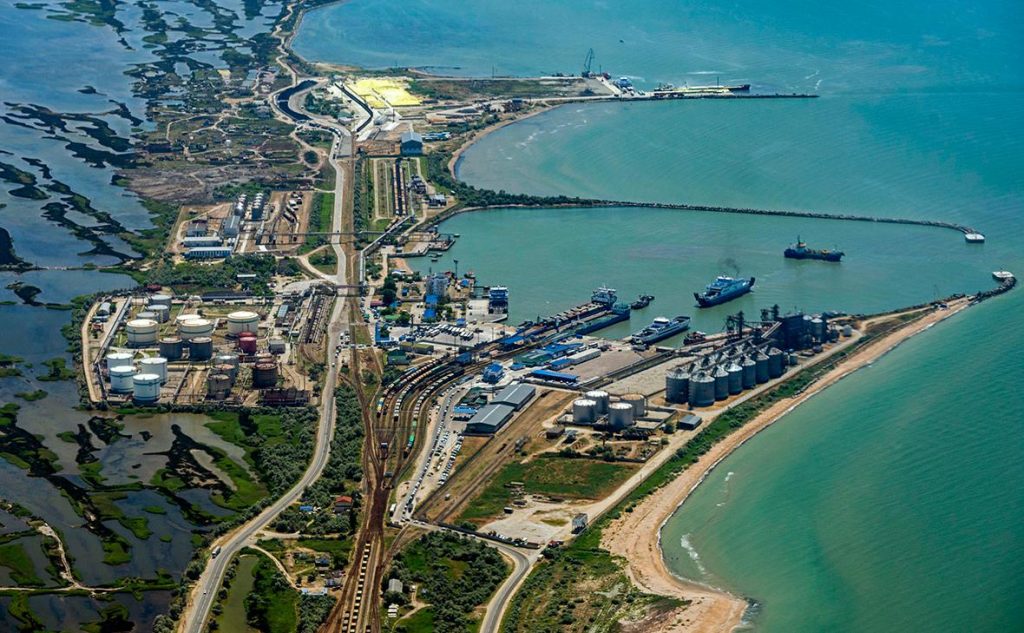
For the first time since July, Russian authorities have allowed grain ships to leave the Sea of Azov. At least one ship has already passed through the Kerch Strait and entered the Black Sea.
Bloomberg reports, citing three people familiar with the matter.
According to them, the port authorities of Temryuk and Kavkaz have begun issuing temporary permits for grain ships to leave the Sea of Azov.
The decision came into effect on Monday, October 26. Vessels that are ready to leave and have crews in place can apply for permits.
According to the agency’s sources, at least one vessel has already taken advantage of this opportunity and passed through the Kerch Strait to the Black Sea.
Before the situation in the region worsened, about a third of Russia’s sea-based wheat exports passed through the Sea of Azov.
At the same time, the resumption of ship departures does not mean a full-fledged resumption of exports. Due to the lack of a ceasefire, grain tankers continue to risk being attacked by drones while passing through the Black Sea.
According to Bertrand Esterlet, vice president of brokerage StoneX, the market reacted to the news by lowering prices, but traders doubt that the opening of ports will significantly change the situation with transportation safety.
Against the background of the news, wheat futures in Chicago fell by 2.8% on Wednesday, October 28, continuing to fall to the lowest level since July 1.
Bloomberg notes that the escalation of attacks on port infrastructure and ships in the Black and Azov seas previously led to a reduction in wheat supplies and an increase in world prices to a three-year maximum in August.
At the same time, Russia and Ukraine together provide more than a quarter of the world’s wheat trade.
The agency tried to get a comment from the administrations of the Temryuk and Kavkaz ports, but did not receive a response.
USM previously reported that in Russian ports in the Sea of Azov, ships are returning cargo to shore due to blocked exits.