Import of Russian diesel to the US: what OFAC allows and why tankers changed routes
12.11.2026 - 17:33
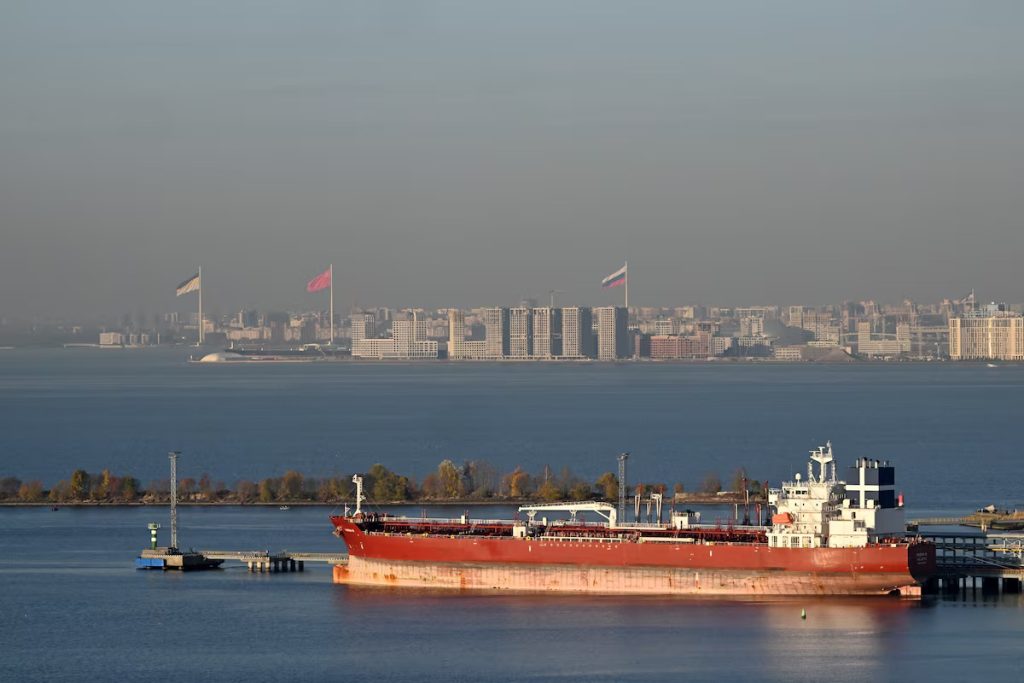
In October 2026, the US temporarily eased sanctions on Russian diesel fuel. However, early attempts to deliver it to US ports have shown that a sanction permit does not guarantee successful import deals.
USM explains how the OFAC license works, what legal obstacles remain, and why tankers can change routes even after leaving the port of loading.
In November, tankers carrying Russian diesel fuel that had originally declared US ports as their destinations began to change routes or go into waiting mode for further instructions.
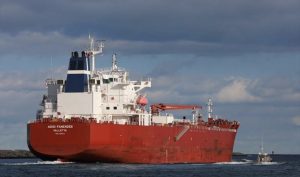
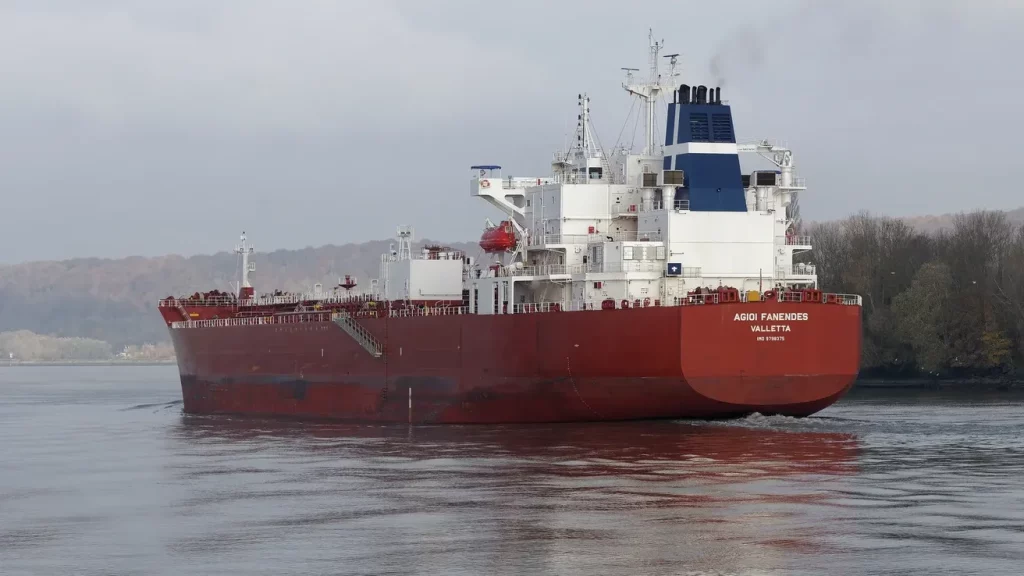
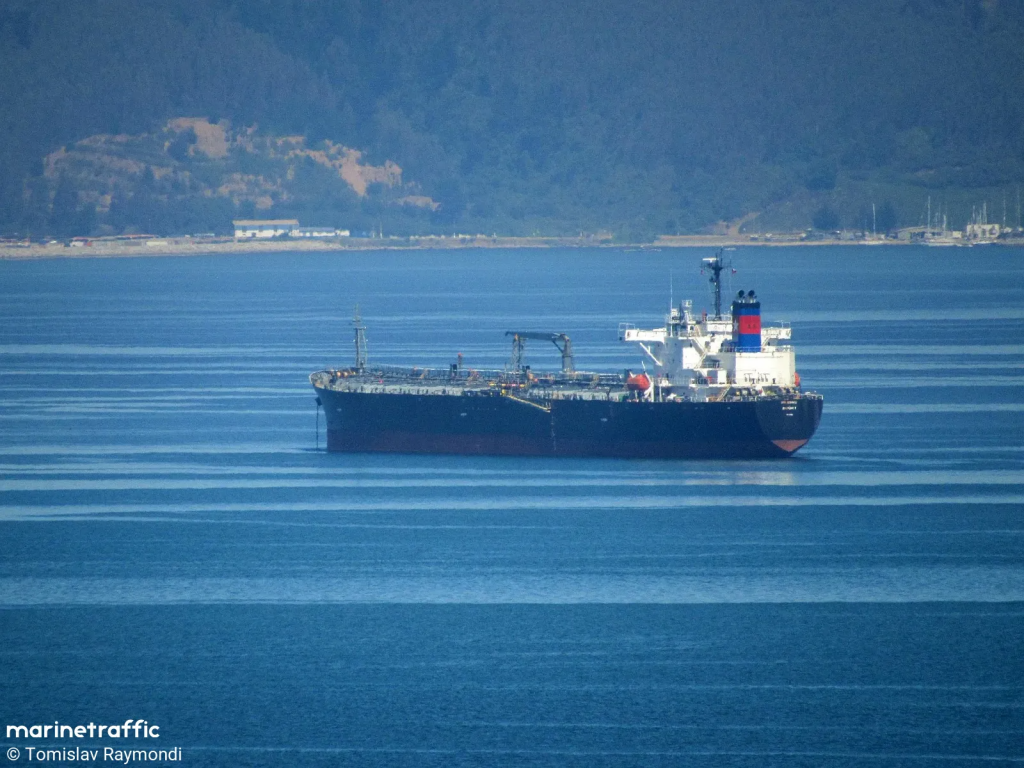
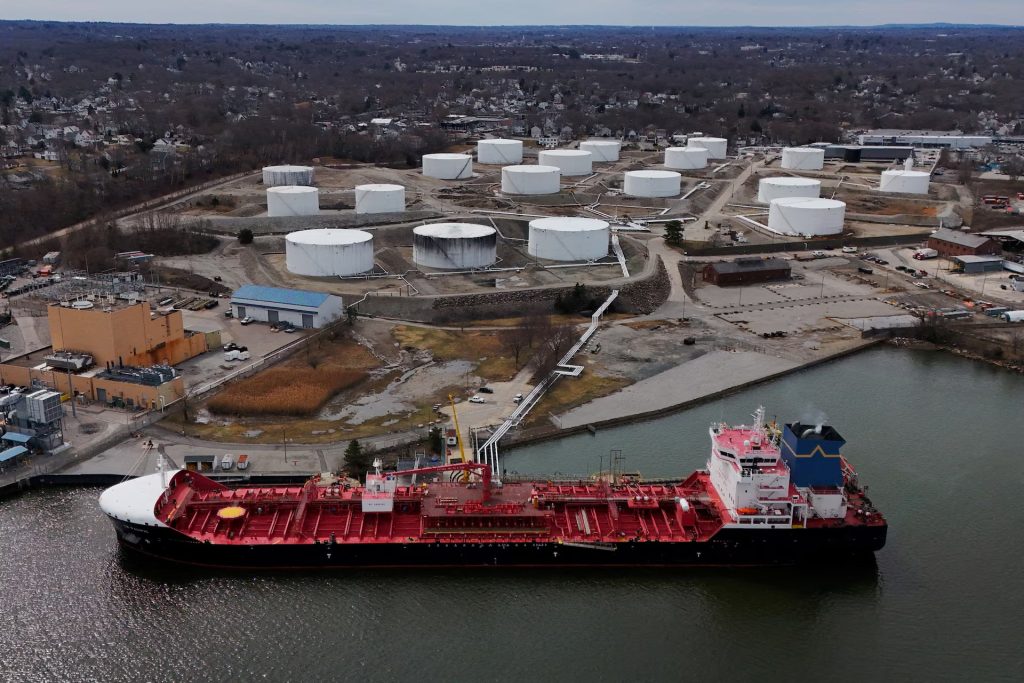
One such vessel was the Maltese-flagged Agioi Fanendes. The tanker loaded about 40,000 tons of diesel fuel in Primorsk, Russia, and was scheduled to arrive in New York on November 7. However, the vessel stopped near the US East Coast, without a definitive port of discharge.
On November 10, US Energy Secretary Chris Wright said the cargo would likely be delivered to another port for sale on the world market.
The situation showed how difficult it can be to get Russian oil products back on the market, even after sanctions are officially eased.
What does the diesel agreement between Trump and Putin entail?
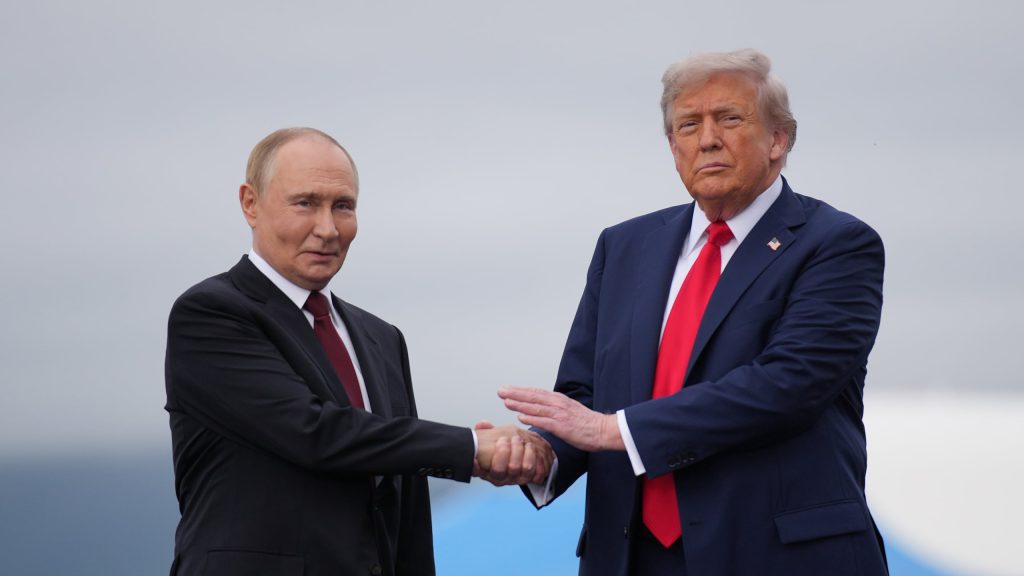
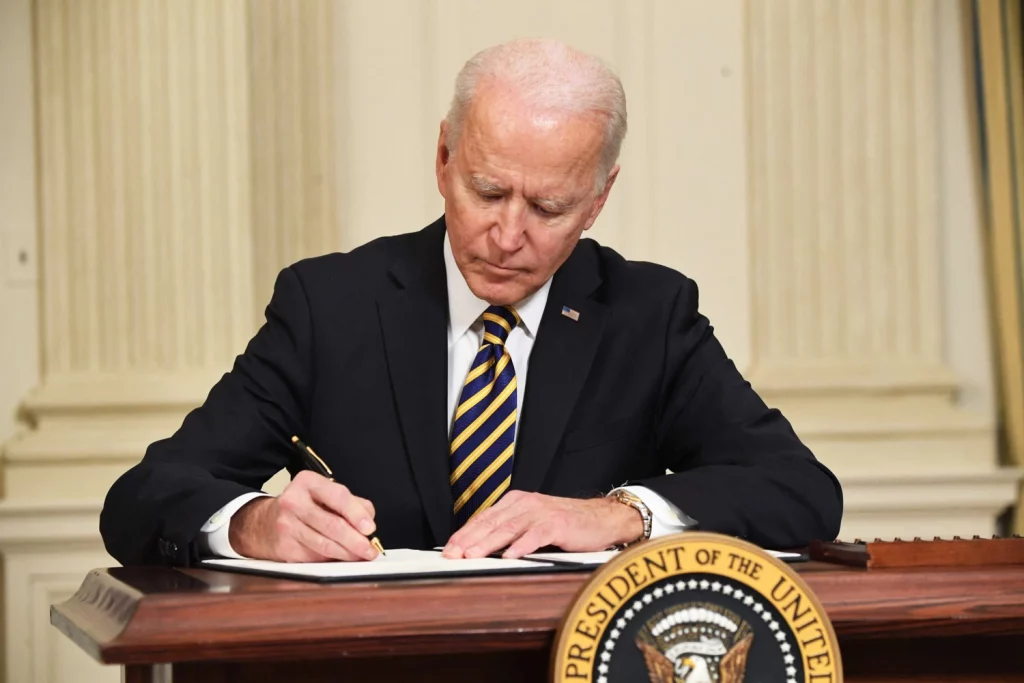
As a reminder, on October 9, 2026, US President Donald Trump announced an agreement with Vladimir Putin to increase supplies of Russian diesel fuel to the US and global markets.
According to Reuters, Trump announced the immediate supply of more than 300,000 tons of diesel, an additional 500,000 tons in November, and another 1 million tons “after that.” He also spoke of the possibility of bringing another 3 million tons of fuel to the market, depending on the state of Russian refineries.
The stated goal of the agreement is to increase the supply of diesel fuel and reduce prices. At the same time, no specific commercial contracts, a list of US buyers, or agreed unloading terminals were disclosed in the public announcements.
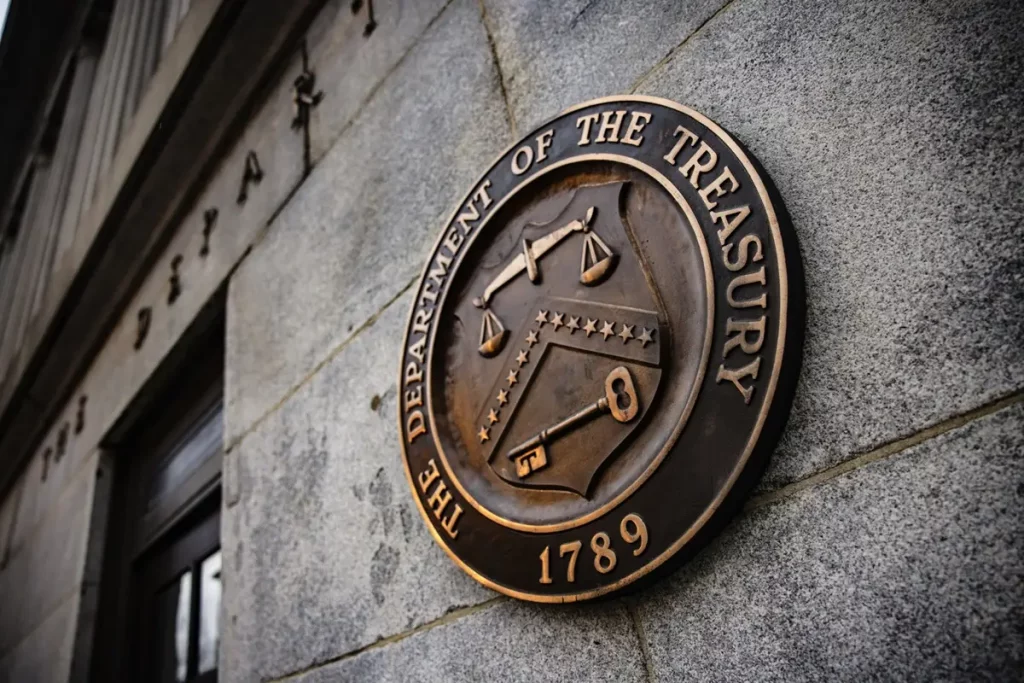
On the same day, the US Treasury Department’s Office of Foreign Assets Control (OFAC) issued General License No. 135, which temporarily allows certain transactions with diesel fuel of Russian origin.
But does this document legalize potential contracts with Russian diesel suppliers? Find the answer to this question below.
What does OFAC General License No. 135
According to the official document of the US Treasury Department, General License No. 135 allows until April 7, 2027, operations related to the sale, delivery, unloading and import of diesel fuel of Russian origin, including its import into the United States.
The license applies to operations that would otherwise be prohibited by two US sanctions regulations – 31 CFR part 587 and 31 CFR part 589.
At the same time, the document has limitations. In particular, it does not allow debiting funds from accounts of the Central Bank of the Russian Federation, the National Welfare Fund of Russia or the Russian Ministry of Finance opened in American financial institutions.
The main nuance is that the OFAC license does not automatically cancel all other legislative restrictions that may apply to a specific cargo or operation.
This has become one of the main reasons for the legal dispute surrounding the supply of Russian diesel to American ports.
Why does the import of Russian diesel remain legally controversial?
In April 2022, the US Congress passed the Ending Importation of Russian Oil Act, which banned the import of energy products of Russian origin into the US, classified in the 27th group of the US customs tariff. Diesel fuel also falls into this category.
The law provides for a separate procedure for ending the ban. The president must provide Congress with confirmation of the fulfillment of certain conditions, in particular, the conclusion of an agreement acceptable to Ukraine on the withdrawal of Russian troops and the cessation of hostilities.
After that, a 90-day period is provided during which Congress can block the lifting of the ban.
International lawyer Scott Anderson, in an analysis for Lawfare, explains that the US president can relax restrictions imposed on the basis of executive powers. However, a separate legislative ban on the import of Russian energy products creates a legal conflict.
According to his assessment, the provisions of the 2022 law likely remain in force despite the issuance of a new license. At the same time, the Trump administration defends the legality of OFAC’s decision. Therefore, the legality of a particular import remains a matter of legal dispute, not a matter that can be considered definitively resolved.
This law should be distinguished from the Lindsey O. Graham Sanctioning Russia and Iran Act of 2026. As Lawfare notes, part of the Graham Act’s provisions regarding Russian crude oil use customs code 2709, while diesel fuel falls under code 2710.
Thus, the legality of specific Russian diesel import transactions remains a matter of legal dispute. The mere fact of issuing a license does not mean that all potential risks for importers have been eliminated.
Why are tankers with Russian diesel changing destinations?
In maritime shipping, the declared destination is not always the final port of discharge.
According to the recommendations of the International Maritime Organization (IMO), the information about the port of destination and the estimated time of arrival in the Automatic Identification System (AIS) is entered manually and updated in case of changes during the voyage.
Therefore, the entry For Orders (“waiting for orders”) in itself does not confirm the absence of a buyer, cancellation of the contract or final rejection of the cargo.
According to the analysis of Windward on November 3, three tankers that previously declared US destinations have changed their information about their destinations in the Automatic Identification System (AIS).
• Talisman changed the entry for the US Atlantic coast to For Order and passed the Strait of Gibraltar to the Mediterranean Sea;
• Leruo began indicating the direction Brazil for order — “Brazil, waiting for orders”;
• Agioi Fanendes also entered the waiting order mode, although at that time it continued to move towards the American coast.
At the same time, Talisman and Leruo are under sanctions in one or more Western jurisdictions, while Agioi Fanendes, according to Windward, is not a sanctioned vessel.
However, despite the changes in AIS records, the destination of the vessels can change during the voyage, and the For Orders record does not establish the final port of discharge.
Also, there is currently no sufficient reason to claim that the tankers changed routes precisely because of the refusals of American buyers to accept the cargo.
Who decides whether a tanker can unload at a US port?
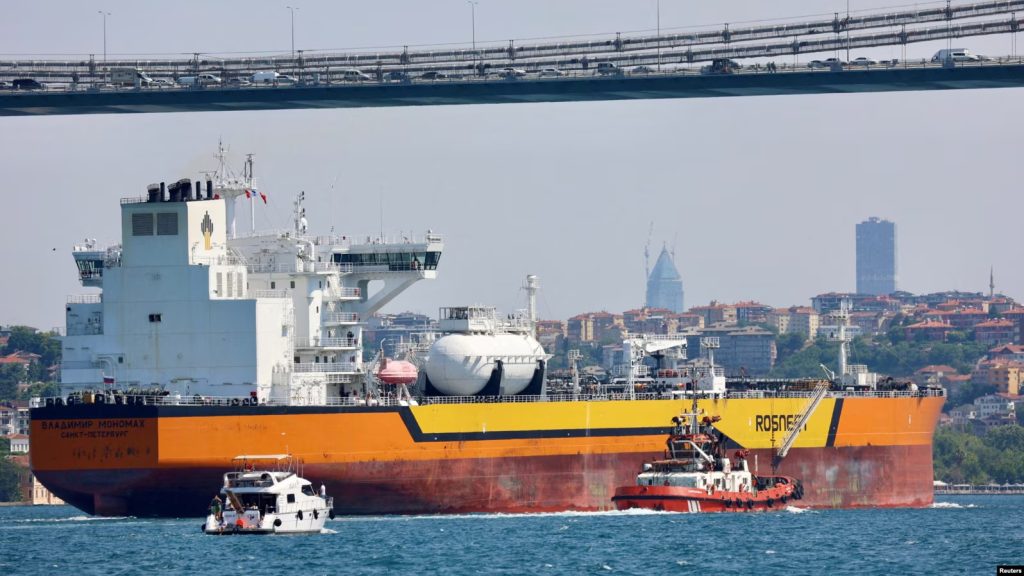
Even if the transaction falls under the OFAC general license, the participation of several independent parties is required for its implementation.
The buyer or importer must confirm its readiness to accept the fuel and ensure its customs clearance. The port terminal must agree to accept the vessel and cargo, and banks and other financial institutions must assess the possibility of making payments.
Separate risks arise for shipowners, charterers and companies that provide insurance and other maritime services.
The US sanctions license does not cancel the restrictions of the European Union, the United Kingdom and other jurisdictions. Therefore, participants in the transportation must take into account not only US legislation, but also the sanctions status of the vessel and the companies involved in the transaction.
In late October, a bipartisan group of US lawmakers warned banks, port authorities and fuel companies about the possible legal consequences of participating in the import of Russian diesel.
In particular, the risks of lawsuits, congressional investigations, and potential liability for violating federal law were discussed.
What happens if a tanker cannot unload diesel in the US?
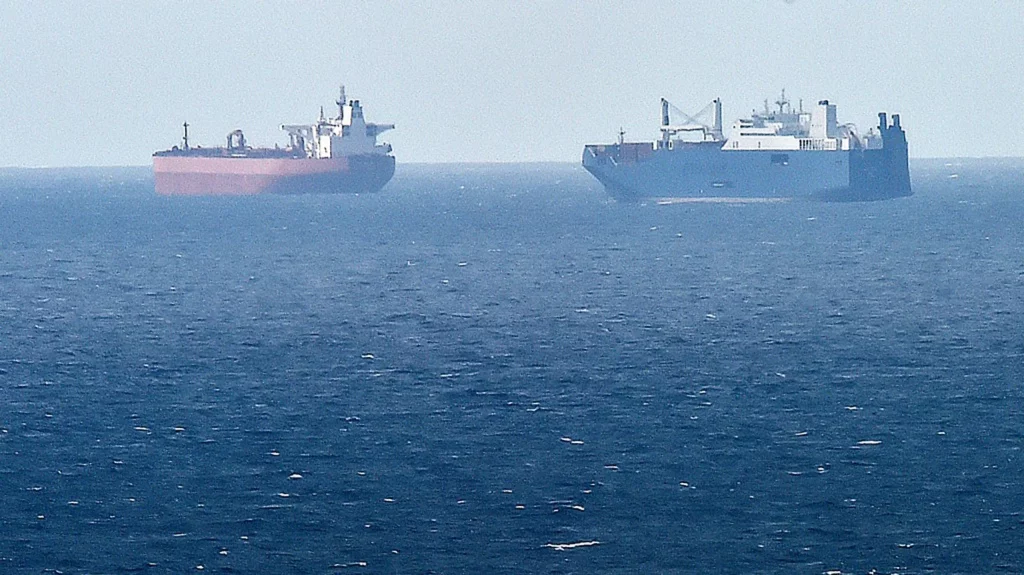
If the planned unloading becomes impossible, the shippers may consider changing the port of destination, finding another buyer or waiting for further commercial instructions.
For shipping, this means possible additional costs for freight, fuel, port services and ship demurrage. Again, the allocation of additional costs depends on the terms of the specific charter and the reasons for the delay.
Therefore, the financial consequences of the diversion of a specific tanker will be borne by the party determined by a separate contract. At the same time, changing the route may allow the cargo owner to sell fuel on another market.
According to даними S&P Global, among the destinations of Russian diesel exports in October were Egypt, Morocco, Turkey and Brazil.
However, the presence of these sales markets does not guarantee that a particular tanker will be able to unload without hindrance in any of these countries.
Will Russian diesel really help lower prices in the US?
The economic impact of the deal also remains debatable. According to experts surveyed by S&P Global on October 12, the announced volumes of Russian diesel may not be enough to significantly reduce US fuel prices.
Analysts point to Russia’s limited ability to quickly increase production and exports after attacks on oil refineries, as well as the risk that new supplies will only replace existing trade flows.
In addition, the US itself is a large exporter of diesel fuel. According to Reuters data from October 9, US exports amounted to about 1.5 million barrels of diesel per day. Therefore, the arrival of just a few batches of Russian diesel on the markets will not lead to an immediate reduction in fuel prices for American consumers.
At the same time, for Russia, the easing of US sanctions may have economic significance regardless of whether the cargoes are unloaded in the US.
As Lawfare explains, License No. 135 applies to operations with Russian diesel not only on the American market. It also relaxes certain American sanctions restrictions on international trade in this fuel.
So, even if tankers are redirected to third countries, Russian exporters may gain additional opportunities to sell their products.
What does this mean for Ukraine and international shipping?
For Ukraine, the key issue remains not only the possible import of Russian diesel to the United States, but also the broader impact of the easing of sanctions on international trade in Russian petroleum products. However, the real economic consequences will depend on the volumes of fuel actually sold, prices, transportation costs, etc.
That is why changes in tanker routes should be assessed together with commercial documents and actual unloading data, and not only based on information from maritime monitoring systems.
The story with Russian diesel now demonstrates, in particular, the fundamental difference between how the current representatives of the American authorities imagine the implementation of their ambitious business plans and how these plans are shattered by the reality of legal safeguards that exist in a constitutional state.