
Shelling of ships in the Black Sea is holding back the decline in tanker freight rates
24.11.2026 - 12:16
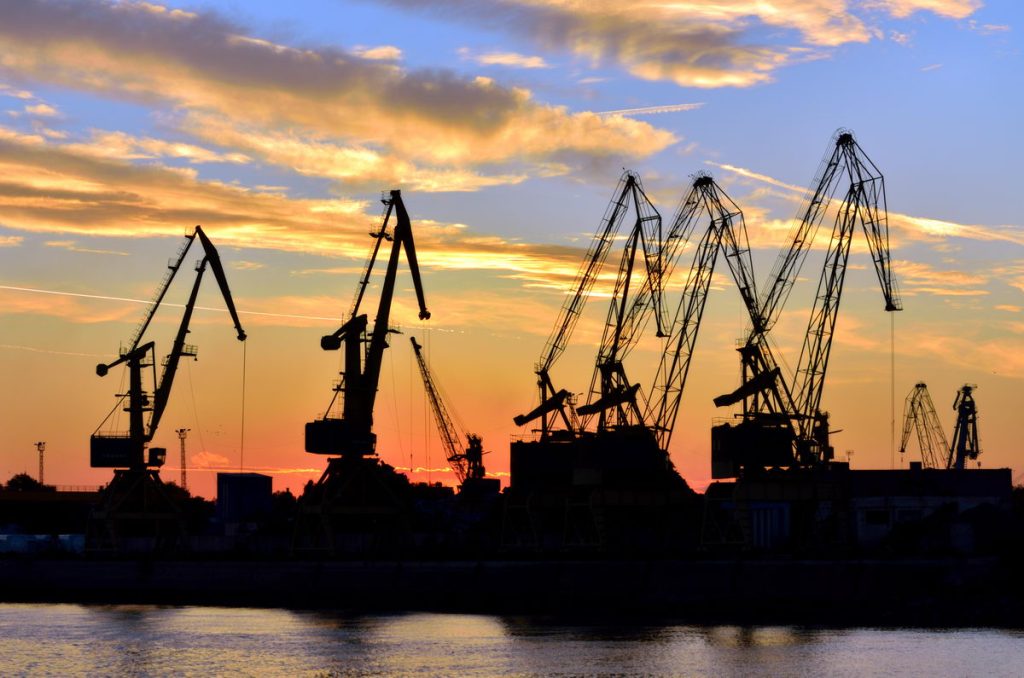
Attacks on ships in the Black Sea do not allow to significantly reduce the cost of sea transportation of fuel.
This is written by enkorr.
Traders have not yet managed to lower the freight of tankers from Greece to the expected $130–135 per ton. Currently, working rates are about $150–160 per ton, and some shipowners are asking for up to $180.
Among the reasons are the high cost of insurance, long downtime of ships, competition for tonnage from the oil industry and the recent shelling of merchant ships in the Black Sea.
Due to such rates, the supply of diesel fuel from Greece is becoming less profitable for Ukrainian traders.
Barge transportation also remains expensive. Freight rates have already increased to $90–95 per ton against approximately $70 in the first half of November.
“Barge operators are making up for financial losses after a dry summer and autumn. In addition, the fleet turnover remains slow: there are queues for loading in Constanta,” said one of the market participants.
At the same time, transportation conditions on the Danube temporarily improved in mid-November. From November 16 to 20, the water level near Chernavoda rose by 18 cm, which allowed barge loading to increase to 80% of the usual level.
At the end of the week, traffic on the Sulina Canal stopped again, but before that, fuel supplies had time to accelerate. From November 9 to 15, diesel fuel imports reached 163 thousand tons — 14% more than a week earlier.
Against the background of large stocks and a decline in the external market, diesel fuel prices in southern Ukraine decreased by more than 9 UAH/l in a week.
Read also: Import of Russian diesel to the US: what OFAC allows and why tankers changed routes