Grain exports shift to the Danube amid seaport closures
3.08.2026 - 14:49
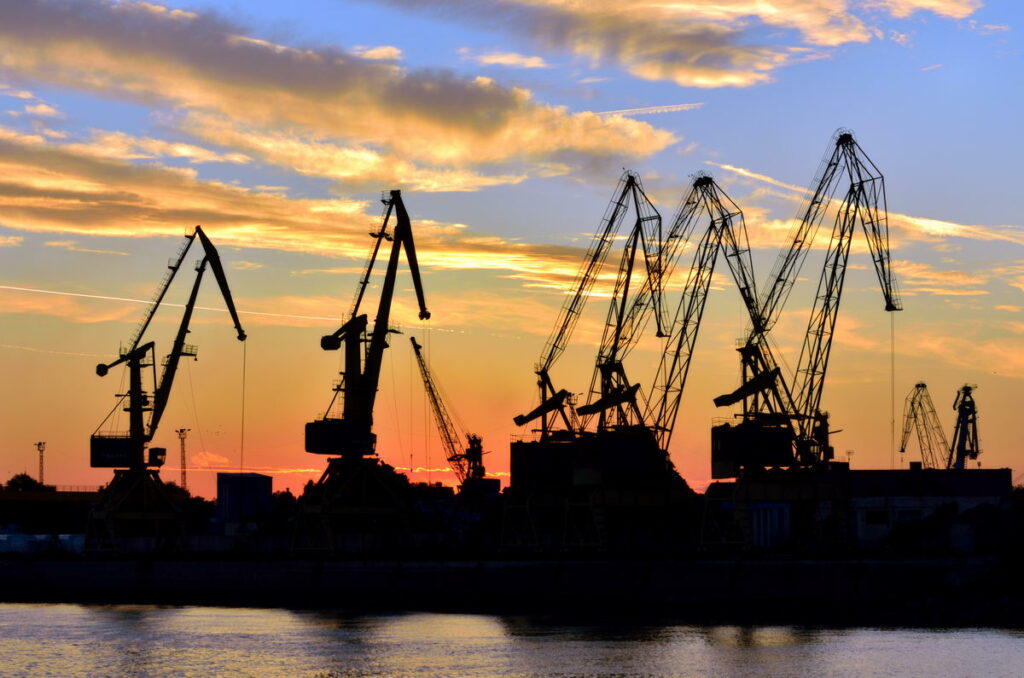
Danube ports are increasing grain exports, but their capacities are not enough to compensate for the reduction in transshipment through the ports of Great Odesa.
At the end of July, the logistics of Ukrainian agricultural exports continued to reorient to the Danube, while shipments through the ports of Great Odesa decreased significantly. This was reported by analysts at Spike Brokers.
According to their data, the number of grain carriers heading to the ports of Great Odesa decreased by 3,169 wagons per week – to 1,356. At the same time, the average daily unloading decreased to 690 wagons, and loading – to 580 wagons per day.
At the same time, the Danube cluster demonstrated the opposite trend. The number of grain carriers heading to the ports of the Danube increased by 974 wagons – to 1,141, and the average daily unloading increased to 51 wagons per day.
Despite this, analysts emphasize that the capabilities of the Danube ports and land logistics are not enough to fully replace deep-water ports. In total, 1.38 million tons of grain were delivered to seaports in July, which is 37% less than in June. An additional factor was the conventional restrictions on individual shipments due to overcrowding of terminals and the suspension of cargo shipments “on water”.
As of July 30, Ukraine exported 3.55 million tons of agricultural products. The main export items remained corn (1.24 million tons), wheat (1.06 million tons) and barley (294 thousand tons).
Spike Brokers also notes that land exports remain limited by the capabilities of the transport infrastructure. Grain, vegetable oils and meal provide only about 12% of the approach of wagons to the western border crossings, while the main cargo flow is formed by ore, metal products, cement, container transportation and critical imports.
In addition, according to the results of July, the average daily transfer of grain through border crossings decreased by 20%, and the accumulation of grain trucks near the border increased more than threefold – from 58 to 201 wagons, which indicates increased competition for infrastructure capacity.
According to analysts, even against the background of the increased activity of Danube ports, the possibilities of alternative logistics remain insufficient to export the new season’s harvest without the restoration of full-fledged work of deep-water ports.
As USM recently wrote, the government is preparing loans secured by the harvest for farmers due to the suspension of sea exports.