India is looking to replace sunflower oil from the Black Sea due to supply delays
31.07.2026 - 12:17

Due to disruptions in Black Sea logistics, Indian importers are increasing purchases in Argentina and switching to other types of vegetable oils.
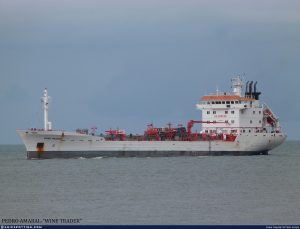
Indian importers are reorienting part of their purchases of sunflower oil from the Black Sea region to suppliers in South America due to long cargo delays. This is reported by Bloomberg.
Sunflower oil supplies from Ukraine and Russia are delayed for up to 60 days due to the worsening security situation in the Black Sea. As a result, India, which is the world’s largest importer of sunflower oil, is increasing purchases of palm, soybean and rapeseed oil.
The director of the Indian company MK Agrotech, Mannan Khan, reported that dozens of batches of vegetable oil, primarily from Russia, arrived late. The company has already redirected about half of its sunflower oil purchases to Argentina.
MK Agrotech has also started importing rapeseed oil from Australia. It currently accounts for about 3-4% of the company’s total purchases, but the importer plans to increase this share.
In the first half of the year, sunflower oil accounted for about 20% of India’s vegetable oil imports. Of the roughly 1 million tonnes imported, most came from the Black Sea region, according to the Indian Solvent Manufacturers Association.
Ukraine and Russia remain key suppliers of sunflower oil to the global market. According to the US Department of Agriculture, the two countries accounted for about 63% of global exports of this product in the 2025/26 season.
The disruptions to Black Sea supplies have already affected the Indian market. In July, the country’s sunflower oil price index rose by 6%, increasing its price premium compared to palm and soybean oil.
Against this background, importers have become more active in replacing sunflower oil with cheaper alternatives. India’s palm oil purchases in July are expected to increase by about 40% compared to the previous month, to 700,000 tonnes. Soybean oil imports could be around 500,000 tonnes.
The shift in purchases is also being driven by differences in the reliability of routes. Seaborne vegetable oil from the Black Sea region to India typically takes around three to four weeks, while from South America it takes over six weeks. However, security risks effectively negate the advantage of the shorter Black Sea route.
For Ukrainian exporters, long delays pose a risk of losing part of the Indian market. Buyers may not only temporarily switch to Argentine products, but also restructure long-term supply chains in favour of South America and alternative vegetable oils.
As USM reported the day before, Russia has attacked at least 232 vessels in the Black Sea during a full-scale war.