Latvia cannot ban Russian grain transit due to risk of lawsuits worth hundreds of millions
14.10.2026 - 14:16

The problem arose because Russian export grain belongs to American and Japanese companies even before it arrives in Latvia.
Latvia can neither ban the transit of Russian grain nor increase the fee for using the railway infrastructure for its transportation by 300%. This was stated by Prime Minister Andris Kulbergs after a government meeting, writes Delfi.
“The biggest problem is that the EU has the exclusive right to determine both tariff and transit issues. We can do this under certain conditions, but it is associated with certain risks,” Kulbergs explained.
According to government estimates, a unilateral ban on transit could result in lawsuits worth from €200 to €800 million. In addition, Riga already has a valid contract for the transportation of another 300 thousand tons of grain.
A separate argument is the ownership structure of the cargo. According to the Prime Minister, by the time Russian grain arrives in Latvia, its actual owners are already companies from the USA, Switzerland and Japan.
“They, the largest corporations in the world, are buying this grain,” Kulbergs noted.
In total, from January to September 2026, 593.66 thousand tons of Russian grain passed through Latvia.
At the same time, Riga’s position contrasts with the actions of its neighbors. Estonia banned the transit of Russian and Belarusian grain from October 1. Kulbergs explains the difference by the fact that at the time of the ban, Tallinn had no transit contracts concluded.
Last week, the Prime Minister of Latvia, together with the Prime Minister of Estonia Kristen Michail and the President of Lithuania Gitanas Nauseda, sent a joint letter to the President of the European Council António Costa and the President of the European Commission Ursula von der Leyen calling for a ban on the transit of Russian grain through the territory of the EU. Kulbergs intends to discuss the issue in Brussels this week.
The issue has become acute against the backdrop of the reorientation of Russian exports. After the attacks on the Black Sea infrastructure, Moscow is actively looking for alternative routes – in particular, through the Baltic ports of Ust-Luga and Vysotsk, as well as through transit through third countries.
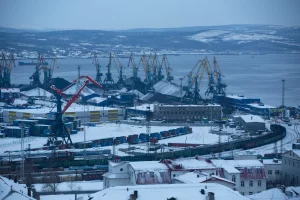
The day before, USM reported that the Russian Federation is reorienting grain to the Arctic port of Murmansk for the first time.